Bibliographical review of Cushuro as a source of iron
DOI:
https://doi.org/10.17268/rmt.2025.v20i4.7138Keywords:
Nostoc [Cushuro], Hierro, Proteínas, AnemiaAbstract
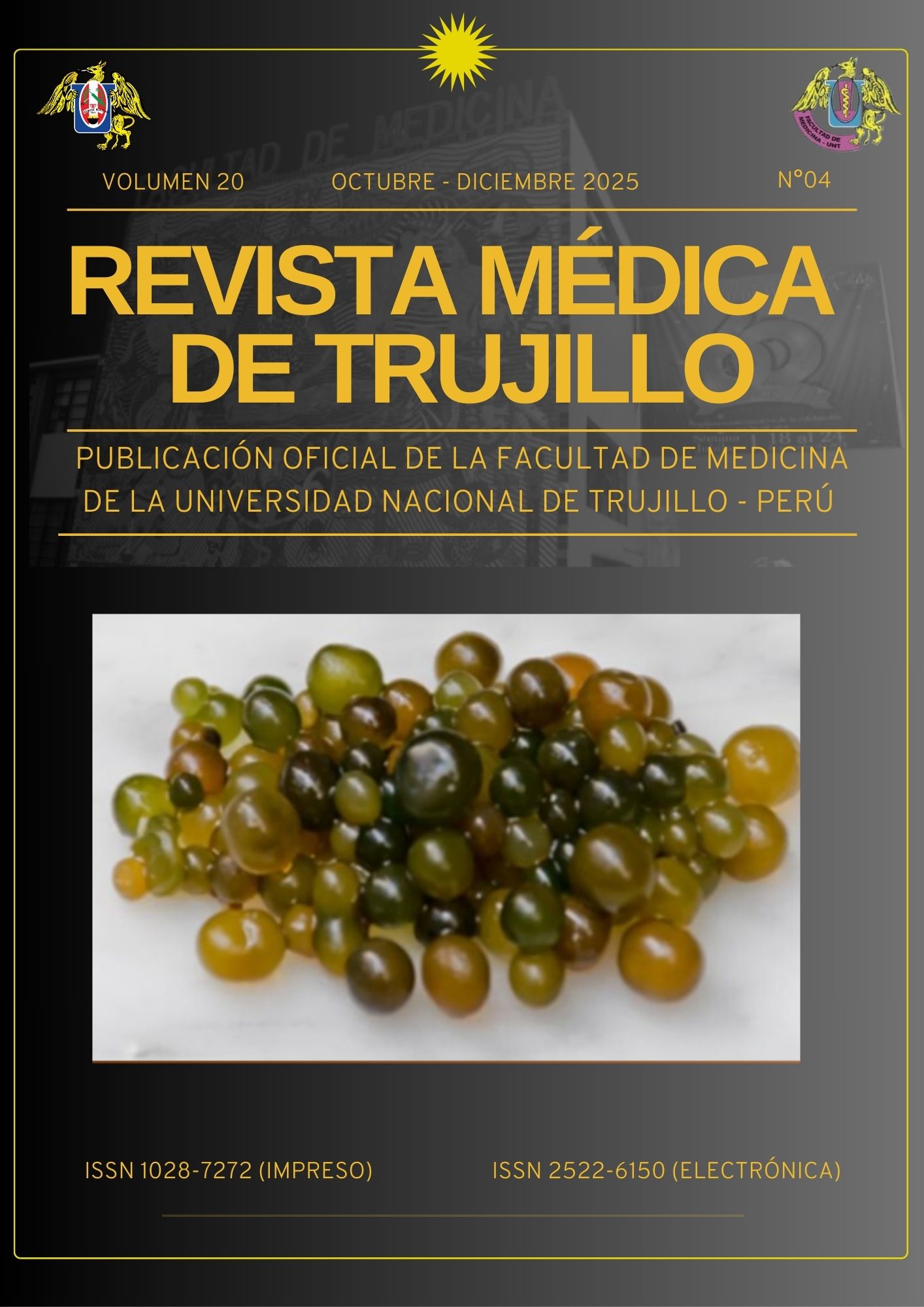
This article analyzes the nutritional characteristics and benefits of cushuro, a Peruvian Andean algae. This natural resource, rich in proteins, iron, minerals, and vitamins, grows in water bodies of Andean regions and presents great potential to combat anemia, a prevalent condition in young children that affects their cognitive and emotional development. Research has demonstrated its high nutritional value and suitability for human consumption, highlighting its capacity to improve public health in rural and urban areas of Peru. A narrative review was conducted through a structured search in scientific databases (PubMed, SciELO, Google Scholar) and medical biochemistry textbooks, selecting relevant and up-to-date sources published between 2000 and 2025. Keywords in Spanish and English were used, and inclusion criteria included thematic relevance, scientific rigor, and source currency. Cushuro, which is harvested in the wild, is accessible and low-cost, particularly benefiting low-income individuals. Additionally, it can be incorporated into a variety of dishes due to its neutral taste and gelatinous form, and it has important medicinal applications, such as strengthening the bone system, stabilizing the nervous system, and improving blood coagulation. The absorption and metabolism of iron, essential for hemoglobin synthesis, further emphasize the relevance of cushuro as a nutritious and sustainable solution to address anemia and improve overall health.
Downloads
Published
How to Cite
Issue
Section
License
Copyright (c) 2025 "Los autores conservarán sus derechos de autor y garantizarán a la revista el derecho de primera publicación de su obra"

This work is licensed under a Creative Commons Attribution-NonCommercial 4.0 International License.