
Valorización integral del orujo de uva: Desafíos y oportunidades en la biorrefinería, biomedicina y biomateriales sostenibles - Una revisión de alcance
DOI:
https://doi.org/10.17268/sci.agropecu.2026.57Palabras clave:
orujo de uva, polifenoles, economía circular, antioxidantes, biorrefinería, compuestos bioactivosResumen
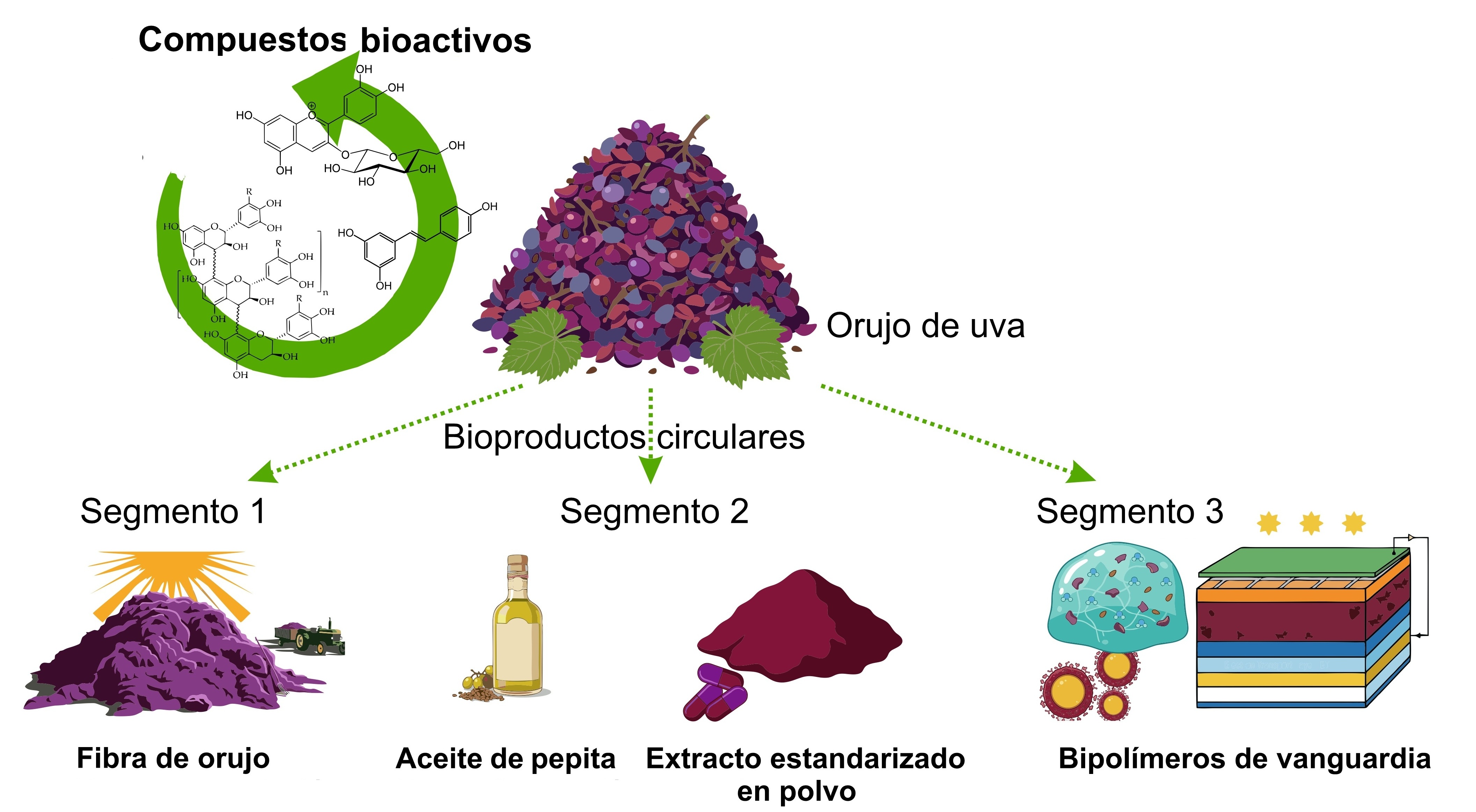
La industria vitivinícola genera grandes volúmenes de orujo de uva (Vitis vinifera), que representa el 20% - 30% de la biomasa restante después de la vinificación. La disposición tradicional plantea desafíos ambientales y económicos, impulsando la adopción de estrategias de Economía Circular. Esta revisión sintetiza el conocimiento actual sobre el perfil fitoquímico del orujo de uvas, profundizando en los mecanismos moleculares que sustentan su función como potente agente antioxidante (mediante quelación de metales y secuestro de radicales) y antiinflamatorio (a través de la inhibición de la vía NF-kappaB). El potencial industrial se explora ampliamente, trascendiendo los nutracéuticos básicos y la fortificación alimentaria para abarcar farmacéuticos, cosmecéuticos de alta gama (para fotoenvejecimiento y protección UV) y la creación de biomateriales biodegradables (envases activos). Se discute la viabilidad de implementar un modelo de biorrefinería integral para extraer moléculas de alta pureza y utilizar la biomasa residual para bioenergía. Los principales hallazgos de este trabajo identifican que tanto la producción científica como el mercado en el campo de la biorrefinería del orujo y la economía circular se encuentran en ascenso, orientándose a los sectores de los nutracéuticos, activos farmacéuticos y cosméticos de alta gama. El desarrollo y refinamiento de tecnologías de extracción limpias y de alta pureza hacen factible la instalación de plantas piloto e industriales en economías consolidadas y emergentes. Este análisis propone una vía de valorización exhaustiva para fomentar la innovación tecnológica y el crecimiento económico sostenible en el sector vitivinícola de la región.
Referencias
Ahmad, B., Yadav, V., Yadav, A., Rahman, M. U., Yuan, W. Z., Li, Z., & Wang, X. (2020). Integrated biorefinery approach to valorize winery waste: A review from waste to energy perspectives [Article]. Science of the total environment, 719, Article 137315. https://doi.org/10.1016/j.scitotenv.2020.137315
Al-Hakeem, G. H., & Al-Nomani, R. M. H. (2026). Estimation of some total secondary metabolites and profile of polyphenols of grape seeds by HPLC techniques [Article]. Journal of Food Science and Technology (Iran), 23(174), 232-243. https://doi.org/10.48311/fsct.2026.119795.83103
Almeida, P. V., Rodrigues, R. P., Slezak, R., & Quina, M. J. (2022). Effect of phenolic compound recovery from agro-industrial residues on the performance of pyrolysis process [Article]. Biomass Conversion and Biorefinery, 12(10), 4257-4269. https://doi.org/10.1007/s13399-021-02292-1
Annunziata, G., Ciampaglia, R., Maisto, M., D’avino, M., Caruso, D., Tenore, G. C., & Novellino, E. (2021). Taurisolo®, a grape pomace polyphenol nutraceutical reducing the levels of serum biomarkers associated with atherosclerosis [Article]. Frontiers in Cardiovascular Medicine, 8, Article 697272. https://doi.org/10.3389/fcvm.2021.697272
Annunziata, G., Maisto, M., Schisano, C., Ciampaglia, R., Narciso, V., Hassan, S. T. S., et al. (2019). Effect of grape pomace polyphenols with or without pectin on TMAO serum levels assessed by LC/MS-based assay: A preliminary clinical study on overweight/obese subjects [Article]. Frontiers in Pharmacology, 10(MAY), Article 575. https://doi.org/10.3389/fphar.2019.00575
Aria, M., Cuccurullo, C., D’Aniello, L., & Spano, M. (2026). Biblioshiny and the SAAS Workflow: An integrated framework for transparent and reproducible science mapping. A demonstration through the replication of a study. Journal of Informetrics, 20(3), 101837. https://doi.org/10.1016/j.joi.2026.101837
Auger, C., Gérain, P., Laurent-Bichon, F., Portet, K., Bornet, A., Caporiccio, B., et al. (2004). Phenolics from commercialized grape extracts prevent early atherosclerotic lesions in hamsters by mechanisms other than antioxidant effect. J Agric Food Chem, 52(16), 5297-5302. https://doi.org/10.1021/jf040125d
Badolati, N., Masselli, R., Maisto, M., Di Minno, A., Tenore, G. C., Stornaiuolo, M., & Novellino, E. (2020). Genotoxicity assessment of three nutraceuticals containing natural antioxidants extracted from agri-food waste biomasses [Article]. Foods, 9(10), Article 1461. https://doi.org/10.3390/foods9101461
Barba, F. J., Zhu, Z., Koubaa, M., Sant'Ana, A. S., & Orlien, V. (2016). Green alternative methods for the extraction of antioxidant bioactive compounds from winery wastes and by-products: A review. Trends in Food Science & Technology, 49, 96-109. https://doi.org/10.1016/j.tifs.2016.01.006
Baur, J. A., Pearson, K. J., Price, N. L., Jamieson, H. A., Lerin, C., Kalra, A., et al. (2006). Resveratrol improves health and survival of mice on a high-calorie diet. Nature, 444(7117), 337-342. https://doi.org/10.1038/nature05354
Beres, C., Freitas, S. P., Godoy, R. L. D. O., de Oliveira, D. C. R., Deliza, R., Iacomini, M., et al. (2019). Antioxidant dietary fibre from grape pomace flour or extract: Does it make any difference on the nutritional and functional value? [Article]. Journal of functional foods, 56, 276-285. https://doi.org/10.1016/j.jff.2019.03.014
Bianchi, F., Lomuscio, E., Rizzi, C., & Simonato, B. (2021). Predicted Shelf-Life, Thermodynamic Study and Antioxidant Capacity of Breadsticks Fortified with Grape Pomace Powders. Foods, 10(11). https://doi.org/10.3390/foods10112815
Blasi, F., Trovarelli, V., Mangiapelo, L., Ianni, F., & Cossignani, L. (2024). Grape Pomace for Feed Enrichment to Improve the Quality of Animal-Based Foods. Foods, 13(22). https://doi.org/10.3390/foods13223541
Bonos, E., Skoufos, I., Petrotos, K., Giavasis, I., Mitsagga, C., Fotou, K., et al. (2022). Innovative Use of Olive, Winery and Cheese Waste By-Products as Functional Ingredients in Broiler Nutrition. Vet Sci, 9(6). https://doi.org/10.3390/vetsci9060290
Brazinha, C., Cadima, M., & Crespo, J. G. (2014). Optimization of extraction of bioactive compounds from different types of grape pomace produced at wineries and distilleries. J Food Sci, 79(6), E1142-1149. https://doi.org/10.1111/1750-3841.12476
Brezoiu, A.-M., Matei, C., Deaconu, M., Stanciuc, A.-M., Trifan, A., Gaspar-Pintiliescu, A., & Berger, D. (2019). Polyphenols extract from grape pomace. Characterization and valorisation through encapsulation into mesoporous silica-type matrices. Food and chemical toxicology, 133, 110787. https://doi.org/10.1016/j.fct.2019.110787
Buchmann, C., Korz, S., Moraru, A., Richling, E., Sadzik, S., Scharfenberger-Schmeer, M., & Muñoz, K. (2025). From winery by-product to soil improver? – A comprehensive review of grape pomace in agriculture and its effects on soil properties and functions. Science of the total environment, 982, 179611-179611. https://doi.org/10.1016/j.scitotenv.2025.179611
Caponio, G. R., Minervini, F., Tamma, G., Gambacorta, G., & De Angelis, M. (2023). Promising Application of Grape Pomace and Its Agri-Food Valorization: Source of Bioactive Molecules with Beneficial Effects [Review]. Sustainability (Switzerland), 15(11), Article 9075. https://doi.org/10.3390/su15119075
Casazza, A. A., Aliakbarian, B., Mantegna, S., Cravotto, G., & Perego, P. (2010). Extraction of phenolics from Vitis vinifera wastes using non-conventional techniques. Journal of food engineering, 100(1), 50-55. https://doi.org/10.1016/j.jfoodeng.2010.03.026
Castro, L. E. N., Sganzerla, W. G., Silva, A. P. G., John, O. D., Barroso, T. L. C. T., Rostagno, M. A., & Forster-Carneiro, T. (2025). Sustainable extraction methods for the recovery of polyphenolic compounds from grape pomace and its biological properties: a comprehensive review [Article]. Phytochemistry Reviews, 24(2), 2059-2086. https://doi.org/10.1007/s11101-024-09991-3
Cebrián, M., García-Roldán, A., Ibarruri, J., Zufía, J., & Jauregi, P. (2025). Biorefinery approach for an integrated valorisation of grape pomace in distilleries [Article]. Biomass Conversion and Biorefinery, 15(19), 26165-26176. https://doi.org/10.1007/s13399-024-06213-w
Chedea, V. S., Tomoiagă, L. L., Ropota, M., Marc, G., Ranga, F., Muntean, M. D., et al. (2025). Transylvanian Grape Pomaces as Sustainable Sources of Antioxidant Phenolics and Fatty Acids-A Study of White and Red Cultivars. Antioxidants (Basel), 14(10). https://doi.org/10.3390/antiox14101152
Chen, H. F., Wang, W. J., Chen, C. Y., Chang, W. C., Hsueh, P. R., Peng, S. L., et al. (2023). The natural tannins oligomeric proanthocyanidins and punicalagin are potent inhibitors of infection by SARS-CoV-2. Elife, 12. https://doi.org/10.7554/eLife.84899
Coelho, M., Silva, S., Costa, E., Pereira, R. N., Rodrigues, A. S., Teixeira, J. A., & Pintado, M. (2021). Anthocyanin Recovery from Grape by-Products by Combining Ohmic Heating with Food-Grade Solvents: Phenolic Composition, Antioxidant, and Antimicrobial Properties. In Molecules (Vol. 26, pp. 3838-3838).
Constantinescu, T., & Mihis, A. G. (2023). Resveratrol as a privileged molecule with antioxidant activity. Food Chemistry Advances, 3, 100539-100539. https://doi.org/10.1016/j.focha.2023.100539
Cortés, A., Moreira, M. T., Domínguez, J., Lores, M., & Feijoo, G. (2020). Unraveling the environmental impacts of bioactive compounds and organic amendment from grape marc [Article]. Journal of Environmental Management, 272, Article 111066. https://doi.org/10.1016/j.jenvman.2020.111066
Croxatto Vega, G., Sohn, J., Voogt, J., Birkved, M., Olsen, S. I., & Nilsson, A. E. (2021). Insights from combining techno-economic and life cycle assessment – a case study of polyphenol extraction from red wine pomace. Resources, Conservation and Recycling, 167, 105318. https://doi.org/10.1016/j.resconrec.2020.105318
D'Eusanio, V., Malferrari, D., Marchetti, A., Roncaglia, F., & Tassi, L. (2023). Waste By-Product of Grape Seed Oil Production: Chemical Characterization for Use as a Food and Feed Supplement. Life (Basel, Switzerland), 13(2). https://doi.org/10.3390/life13020326
Da Porto, C., Natolino, A., & Decorti, D. (2014). Extraction of proanthocyanidins from grape marc by supercritical fluid extraction using CO2 as solvent and ethanol–water mixture as co-solvent. The Journal of Supercritical Fluids, 87, 59-64. https://doi.org/10.1016/j.supflu.2013.12.013
DataIntelo. (2025). Grape Pomace Market Research Report 2033. Grape Pomace Market Global Industry, Size, Share, Growth, Trends and Forecast, 253-253.
de Campos, L. M. A. S., Leimann, F. V., Pedrosa, R. C., & Ferreira, S. R. S. (2008). Free radical scavenging of grape pomace extracts from Cabernet sauvingnon (Vitis vinifera). Bioresour Technol, 99(17), 8413-8420. https://doi.org/10.1016/j.biortech.2008.02.058
de la Cerda-Carrasco, A., López-Solís, R., Nuñez-Kalasic, H., Peña-Neira, A., & Obreque-Slier, E. (2015). Phenolic composition and antioxidant capacity of pomaces from four grape varieties (Vitis vinifera L.) [Article]. Journal of the science of food and agriculture, 95(7), 1521-1527. https://doi.org/10.1002/jsfa.6856
de Sá, M., Justino, V., Spranger, M. I., Zhao, Y. Q., Han, L., & Sun, B. S. (2014). Extraction yields and anti-oxidant activity of proanthocyanidins from different parts of grape pomace: effect of mechanical treatments. Phytochem Anal, 25(2), 134-140. https://doi.org/10.1002/pca.2479
Díaz, H., Ríos-Gallardo, A., Ortolani, D., Díaz-Jara, E., Flores, M. J., Vera, I., et al. (2022). Lipid-Encapsuled Grape Tannins Prevent Oxidative-Stress-Induced Neuronal Cell Death, Intracellular ROS Accumulation and Inflammation. Antioxidants (Basel), 11(10). https://doi.org/10.3390/antiox11101928
Díaz, N., Aqueveque, P. M., Vallejos-Almirall, A., Radrigán, R., Zúñiga-López, M. C., & Folch-Cano, C. (2022). Antioxidant Compound Adsorption in Polyvinylpolypyrrolidone from Chilean Carménère, Cabernet Sauvignon, and Merlot Grape Pomaces as Potential By-Products. Antioxidants (Basel), 11(10). https://doi.org/10.3390/antiox11102017
Du, H., Jiang, J., Qin, Y., Liu, Y., & Song, Y. (2026). Functional chemotyping and integrated models for prioritizing grape germplasm bioactive potential [Review]. Trends in food science and technology, 177, Article 106044. https://doi.org/10.1016/j.tifs.2026.106044
Errichiello, F., Azevedo, J., Basile, B., de Freitas, V., Forino, M., Mataffo, A., et al. (2025). New advancements in conventional and DES-based extraction of phenolic compounds from Aglianico red grape pomace [Article]. Oeno One, 59(2), Article 9277. https://doi.org/10.20870/oeno-one.2025.59.2.9277
Erte, E., Vural, N., Mehmetoğlu, Ü., & Güvenç, A. (2021). Optimization of an abiotic elicitor (ultrasound) treatment conditions on trans-resveratrol production from Kalecik Karası (Vitis vinifera L.) grape skin. J Food Sci Technol, 58(6), 2121-2132. https://doi.org/10.1007/s13197-020-04722-w
Farkhondeh, T., Folgado, S. L., Pourbagher-Shahri, A. M., Ashrafizadeh, M., & Samarghandian, S. (2020). The therapeutic effect of resveratrol: Focusing on the Nrf2 signaling pathway. Biomed Pharmacother, 127, 110234. https://doi.org/10.1016/j.biopha.2020.110234
Feringa, H. H., Laskey, D. A., Dickson, J. E., & Coleman, C. I. (2011). The effect of grape seed extract on cardiovascular risk markers: a meta-analysis of randomized controlled trials. J Am Diet Assoc, 111(8), 1173-1181. https://doi.org/10.1016/j.jada.2011.05.015
Fernández-Pérez, R., Ayuso, S., Moreta, C., Saiz-Abajo, M. J., Gastón-Lorente, M., Ruiz-Larrea, F., & Tenorio, C. (2024). Chemical Profile and Antibacterial Activity of Vitis vinifera L. cv Graciano Pomace Extracts Obtained by Green Supercritical CO(2) Extraction Method Against Multidrug-Resistant Escherichia coli Strains. Foods, 14(1). https://doi.org/10.3390/foods14010017
Fernandez, A., Sette, P., Echegaray, M., Soria, J., Salvatori, D., Mazza, G., & Rodriguez, R. (2023). Clean recovery of phenolic compounds, pyro-gasification thermokinetics, and bioenergy potential of spent agro-industrial bio-wastes [Article]. Biomass Conversion and Biorefinery, 13(14), 12509-12526. https://doi.org/10.1007/s13399-021-02197-z
Fontana, A. R., Antoniolli, A., & Bottini, R. (2017). Extraction, characterization and utilisation of bioactive compounds from wine industry waste. In Utilisation of Bioactive Compounds from Agricultural and Food Production Waste (pp. 213-229). CRC Press. https://doi.org/10.1201/9781315151540
Funes Pinter, I., Aguado, G. D., De Biazi, F., Fernández, A. S., Martínez, L., & Uliarte, E. M. (2019). Performance of grape marc and organic residues compost as substrate in lettuce (Lactuca sativa) seedlings. Revista de la Facultad de Ciencias Agrarias. Universidad Nacional de Cuyo, 51, 261-269.
Futigami, L. S., Bredun, M. A., Reitenbach, A., & Burin, V. v. M. (2025). Anthocyanins as Natural Edible Pigments: A Review on Obtaining from Winemaking Byproducts. ACS Food Science & Technology, 5(11), 4024-4038. https://doi.org/10.1021/acsfoodscitech.5c00677
García-Lomillo, J., & González-SanJosé, M. L. (2017). Applications of Wine Pomace in the Food Industry: Approaches and Functions. Comprehensive reviews in food science and food safety, 16(1), 3-22. https://doi.org/10.1111/1541-4337.12238
Garcia-Montalvo, J., Garcia-Martín, A., Bujan, J. I., Santos Mazorra, V. E., Cuesta, P. Y., Bolivar, J. M., & Ladero, M. (2022). Extraction of Antioxidants from Grape and Apple Pomace: Solvent Selection and Process Kinetics [Article]. Applied Sciences (Switzerland), 12(10), Article 4901. https://doi.org/10.3390/app12104901
Gu, S., Gu, Y., Gu, H., Zhong, X., Liang, W., Liu, Y., et al. (2025). Oligomeric proanthocyanidin attenuates asthma severity and airway remodeling by modulating epithelial-smooth muscle cell interactions. Phytomedicine, 142, 156798. https://doi.org/10.1016/j.phymed.2025.156798
Gubitosa, J., Rizzi, V., Laurenzana, A., Scavone, F., Frediani, E., Fibbi, G., et al. (2022). The “End Life” of the Grape Pomace Waste Become the New Beginning: The Development of a Virtuous Cycle for the Green Synthesis of Gold Nanoparticles and Removal of Emerging Contaminants from Water [Article]. Antioxidants, 11(5), Article 994. https://doi.org/10.3390/antiox11050994
Guelfi, G., Mangili, P., Mercati, F., Ranucci, D., Crotti, S., Tuseef, M., et al. (2025). Sustainable Valorization of Grape Pomace in Sheep Through Systemic Health, Metabolic Safety, Milk and Meat Quality. Int J Mol Sci, 26(21). https://doi.org/10.3390/ijms262110578
Guerra-Rivas, C., Vieira, C., Rubio, B., Martínez, B., Gallardo, B., Mantecón, A. R., et al. (2016). Effects of grape pomace in growing lamb diets compared with vitamin E and grape seed extract on meat shelf life [Article]. Meat science, 116, 221-229. https://doi.org/10.1016/j.meatsci.2016.02.022
Gugel, I., Marchetti, F., Gugel, I., Scoponi, G., Marchetti, N., Baraldo, N., et al. (2025). Prosecco grape pomace: a new feedstock for high molecular weight hyaluronic acid [Article]. International journal of biological macromolecules, 330, Article 148203. https://doi.org/10.1016/j.ijbiomac.2025.148203
Han, Z., & Luo, X. (2026). Insights into grape pomace as a sustainable source for active and intelligent packaging: Functional components, processing methods, and applications. Applied Food Research, 6(1), 101776-101776. https://doi.org/10.1016/j.afres.2026.101776
Hasan, M., & Bae, H. (2017). An Overview of Stress-Induced Resveratrol Synthesis in Grapes: Perspectives for Resveratrol-Enriched Grape Products. Molecules, 22(2). https://doi.org/10.3390/molecules22020294
He, Y., Li, Y., Gao, A., Zheng, C., Ren, Q., Liu, Z., et al. (2026). Natural Green Antioxidant Proanthocyanidin Enhances the UV/Oxidation Resistance of Perovskite Solar Cells Through Buried Interface Modification Strategy. Small, 22(15), e12729. https://doi.org/10.1002/smll.202512729
Hogan, S., Canning, C., Sun, S., Sun, X., & Zhou, K. (2010). Effects of Grape Pomace Antioxidant Extract on Oxidative Stress and Inflammation in Diet Induced Obese Mice. Journal of agricultural and food chemistry, 58(21), 11250-11256. https://doi.org/10.1021/jf102759e
Hoxha, L., Taherzadeh, M. J., & Marangon, M. (2025). Sustainable repurposing of grape marc: Potential for bio-based innovations [Article]. Waste management, 203, Article 114871. https://doi.org/10.1016/j.wasman.2025.114871
Huamán-Castilla, N. L., Campos, D., García-Ríos, D., Parada, J., Martínez-Cifuentes, M., Mariotti-Celis, M. S., & Pérez-Correa, J. R. (2021). Chemical Properties of Vitis Vinifera Carménère Pomace Extracts Obtained by Hot Pressurized Liquid Extraction, and Their Inhibitory Effect on Type 2 Diabetes Mellitus Related Enzymes. In Antioxidants (Vol. 10, pp. 472-472).
Huamán-Castilla, N. L., Gajardo-Parra, N., Pérez-Correa, J. R., Canales, R. I., Martínez-Cifuentes, M., Contreras-Contreras, G., & Mariotti-Celis, M. S. (2023). Enhanced Polyphenols Recovery from Grape Pomace: A Comparison of Pressurized and Atmospheric Extractions with Deep Eutectic Solvent Aqueous Mixtures. In Antioxidants (Vol. 12, pp. 1446-1446).
Huaman-Castilla, N. L., Martínez-Cifuentes, M., Camilo, C., Pedreschi, F., Mariotti-Celis, M., & Pérez-Correa, J. R. (2019). The impact of temperature and ethanol concentration on the global recovery of specific polyphenols in an integrated HPLE/RP process on Carménère pomace extracts [Article]. Molecules, 24(17), Article 3145. https://doi.org/10.3390/molecules24173145
Huo, D., Huang, X., Dou, X., Ciais, P., Li, Y., Deng, Z., et al. (2022). Carbon Monitor Cities near-real-time daily estimates of CO2 emissions from 1500 cities worldwide. Scientific reports, 9(1), 533.
Ioannidou, S. M., Filippi, K., Kookos, I. K., Koutinas, A., & Ladakis, D. (2022). Techno-economic evaluation and life cycle assessment of a biorefinery using winery waste streams for the production of succinic acid and value-added co-products [Article]. Bioresource technology, 348, Article 126295. https://doi.org/10.1016/j.biortech.2021.126295
IPCC, I. P. o. C. C. (2023). Climate Change 2023: Synthesis Report. Contribution of Working Groups I, II and III to the Sixth Assessment Report of the Intergovernmental Panel on Climate Change. [Core Writing Team, H. Lee and J. Romero (eds.)](Geneva, Switzerland), 35-115. https://doi.org/10.59327/IPCC/AR6-9789291691647
Jin, Q., Ma, X., Yang, L., Ma, L., Liu, X., & Li, J. (2016). Comparison analysis of the polyphenols in vitisvinifera pomace by different solvents [Article]. Journal of Chinese Institute of Food Science and Technology, 16(4), 182-190. https://doi.org/10.16429/j.1009-7848.2016.04.025
Jin, Q., O’Keefe, S. F., Stewart, A. C., Neilson, A. P., Kim, Y.-T., & Huang, H. (2021). Techno-economic analysis of a grape pomace biorefinery: Production of seed oil, polyphenols, and biochar. Food and bioproducts processing, 127, 139-151. https://doi.org/10.1016/j.fbp.2021.02.002
Kagueyam, S. S., dos Santos Filho, J. R., Contato, A. G., de Souza, C. G. M., Castoldi, R., Corrêa, R. C. G., et al. (2025). Green Extraction of Bioactive Compounds from Plant-Based Agri-Food Residues: Advances Toward Sustainable Valorization [Review]. Plants, 14(23), Article 3597. https://doi.org/10.3390/plants14233597
Kandylis, P., Dimitrellou, D., & Moschakis, T. (2021). Recent applications of grapes and their derivatives in dairy products. Trends in Food Science & Technology, 114, 696-711. https://doi.org/10.1016/j.tifs.2021.05.029
Khanal, R. C., Howard, L. R., & Prior, R. L. (2009). Procyanidin content of grape seed and pomace, and total anthocyanin content of grape pomace as affected by extrusion processing. J Food Sci, 74(6), H174-182. https://doi.org/10.1111/j.1750-3841.2009.01221.x
Khiari, R., Zemni, H., Madureira, J., Cardoso, S. M., Coelho, E., Coimbra, M. A., et al. (2026). Industrial white and red grape pomace valorization: multicriteria optimization of phenolic content and antioxidant activity and assessment of the cytotoxicity of the extracts [Article]. Biomass Conversion and Biorefinery, 16(10), Article 227. https://doi.org/10.1007/s13399-026-07158-y
Knaggs, A. R. (2003). The biosynthesis of shikimate metabolites. Natural Product Reports, 20(1), 119-136. https://doi.org/10.1039/b100399m
Kurćubić, V. S., Stanišić, N., Stajić, S. B., Dmitrić, M., Živković, S., Kurćubić, L. V., et al. (2024). Valorizing Grape Pomace: A Review of Applications, Nutritional Benefits, and Potential in Functional Food Development. Foods, 13(24). https://doi.org/10.3390/foods13244169
Ky, I., Lorrain, B., Kolbas, N., Crozier, A., & Teissedre, P. L. (2014). Wine by-products: phenolic characterization and antioxidant activity evaluation of grapes and grape pomaces from six different French grape varieties. Molecules, 19(1), 482-506. https://doi.org/10.3390/molecules19010482
Lama, S., Monda, V., Rizzo, M. R., Dacrema, M., Maisto, M., Annunziata, G., et al. (2020). Cardioprotective Effects of Taurisolo® in Cardiomyoblast H9c2 Cells under High-Glucose and Trimethylamine N-Oxide Treatment via De Novo Sphingolipid Synthesis. Oxidative medicine and cellular longevity, 2020, 2961406-2961406. https://doi.org/10.1155/2020/2961406
Landrault, N., Larronde, F., Delaunay, J.-C., Castagnino, C., Vercauteren, J., Merillon, J.-M., et al. (2002). Levels of Stilbene Oligomers and Astilbin in French Varietal Wines and in Grapes during Noble Rot Development. Journal of agricultural and food chemistry, 50(7), 2046-2052. https://doi.org/10.1021/jf010794g
Lapi, D., Stornaiuolo, M., Sabatino, L., Sommella, E., Tenore, G., Daglia, M., et al. (2020). The Pomace Extract Taurisolo Protects Rat Brain From Ischemia-Reperfusion Injury. Frontiers in cellular neuroscience, 14, 3-3. https://doi.org/10.3389/fncel.2020.00003
Lin, Y.-C., Hu, S. C.-S., Huang, P.-H., Lin, T.-C., & Yen, F.-L. (2020). Electrospun Resveratrol-Loaded Polyvinylpyrrolidone/Cyclodextrin Nanofibers and Their Biomedical Applications. 12(6), 552.
Liu, F., Lei, J., Shao, X., Fan, Y., Huang, W., Lian, W., et al. (2024). Effect of Pretreatment and Drying on the Nutritional and Functional Quality of Raisins Produced with Seedless Purple Grapes. In Foods (Vol. 13, pp. 1138-1138).
Llobera, A., & Cañellas, J. (2007). Dietary fibre content and antioxidant activity of Manto Negro red grape (Vitis vinifera): pomace and stem. Food Chem, 101(2), 659-666. https://doi.org/10.1016/j.foodchem.2006.02.025
Lopes, J. D. C., Madureira, J., Margaça, F. M. A., & Cabo Verde, S. (2025). Grape Pomace: A Review of Its Bioactive Phenolic Compounds, Health Benefits, and Applications. Molecules, 30(2). https://doi.org/10.3390/molecules30020362
López-Astorga, M., Leon-Bejarano, M., Gámez-Meza, N., Del Toro-Sánchez, C. L., Simsek, S., & Ovando-Martínez, M. (2025). Microencapsulated grape pomace extract as an antioxidant ingredient added to Greek-style yogurt: Storage stability an in vitro bioaccessibility [Article]. Food chemistry, 477, Article 143550. https://doi.org/10.1016/j.foodchem.2025.143550
Ma, H., Zhou, Q., Chang, J., & Wu, C. (2019). Grape Seed-Inspired Smart Hydrogel Scaffolds for Melanoma Therapy and Wound Healing. ACS Nano, 13(4), 4302-4311. https://doi.org/10.1021/acsnano.8b09496
Machado, A. R., Voss, G. B., Machado, M., Paiva, J. A. P., Nunes, J., & Pintado, M. (2024). Chemical characterization of the cultivar ‘Vinhão’ (Vitis vinifera L.) grape pomace towards its circular valorisation and its health benefits. Measurement: Food, 15, 100175-100175. https://doi.org/10.1016/j.meafoo.2024.100175
Magalhães, R., & Oliveira, M. B. P. P. (2026). Grape Pomace Valorization: Extraction of Bioactive Compounds and Industrial Applications Within a Circular Economy Framework. 18(11), 5663-5663.
Martins, I. M., Roberto, B. S., Blumberg, J. B., Chen, C. Y. O., & Macedo, G. A. (2016). Enzymatic biotransformation of polyphenolics increases antioxidant activity of red and white grape pomace. Food research international, 89, 533-539. https://doi.org/10.1016/j.foodres.2016.09.009
Mateus, N., Silva, A. M., Vercauteren, J., & de Freitas, V. (2001). Occurrence of anthocyanin-derived pigments in red wines. J Agric Food Chem, 49(10), 4836-4840. https://doi.org/10.1021/jf001505b
Meini, M.-R., Cabezudo, I., Boschetti, C. E., & Romanini, D. (2019). Recovery of phenolic antioxidants from Syrah grape pomace through the optimization of an enzymatic extraction process. Food Chem, 283, 257-264. https://doi.org/10.1016/j.foodchem.2019.01.037
Mohamed Ahmed, I. A., Özcan, M. M., Al Juhaimi, F., Babiker, E. F. E., Ghafoor, K., Banjanin, T., et al. (2020). Chemical composition, bioactive compounds, mineral contents, and fatty acid composition of pomace powder of different grape varieties. Journal of Food Processing and Preservation, 44(7), e14539-e14539. https://doi.org/10.1111/jfpp.14539
Mokrani, M., Saad, N., Nardy, L., Sifré, E., Despres, J., Brochot, A., et al. (2025). Biombalance™, an Oligomeric Procyanidins-Enriched Grape Seed Extract, Prevents Inflammation and Microbiota Dysbiosis in a Mice Colitis Model [Article]. Antioxidants, 14(3), Article 305. https://doi.org/10.3390/antiox14030305
Morin, B., Narbonne, J.-F., Ribera, D., Badouard, C., & Ravanat, J.-L. (2008). Effect of dietary fat-soluble vitamins A and E and proanthocyanidin-rich extract from grape seeds on oxidative DNA damage in rats. Food and chemical toxicology, 46(2), 787-796. https://doi.org/10.1016/j.fct.2007.10.011
Muñoz-Bernal Ó, A., Coria-Oliveros, A. J., de la Rosa, L. A., Rodrigo-García, J., Del Rocío Martínez-Ruiz, N., Sayago-Ayerdi, S. G., & Alvarez-Parrilla, E. (2021). Cardioprotective effect of red wine and grape pomace. Food Res Int, 140, 110069. https://doi.org/10.1016/j.foodres.2020.110069
Mussagy, C. U., Caicedo-Paz, A. V., General, V. V., Cruz-Diaz, A. L., Peixoto, G., & Raghavan, V. (2026). Sequential multi-stage biorefinery of chilean Winemaking residues: recovery of high-value compounds and environmental impact of anthocyanins on phenolic-modified anaerobic digestion for bioenergy production [Article]. Biomass and Bioenergy, 209, Article 109033. https://doi.org/10.1016/j.biombioe.2026.109033
Neto, R. O., & Silva, E. K. (2026). Beyond electroporation: Solvent chemistry governs the success of pulsed electric field-assisted extraction of phenolics and anthocyanins from grape pomace [Article]. Food research international, 244, Article 120346. https://doi.org/10.1016/j.foodres.2026.120346
Nguyen, A. V., Martinez, M., Stamos, M. J., Moyer, M. P., Planutis, K., Hope, C., & Holcombe, R. F. (2009). Results of a phase I pilot clinical trial examining the effect of plant-derived resveratrol and grape powder on Wnt pathway target gene expression in colonic mucosa and colon cancer. Cancer Manag Res, 1, 25-37.
Niculescu, V.-C., & Ionete, R.-E. (2023). An Overview on Management and Valorisation of Winery Wastes. Appl. Sci., 13(8), 5063-5063. https://doi.org/10.3390/app13085063
OIV, I. O. o. V., & Wine. (2026). State of the World Wine Sector in 2025.
Oladejo, E. O., Munezero, O., Ogunkunle, N. F., Still, B., Handy, A., Adeyemo, Y. O., & Murphey, M. W. (2026). Functional Effects of Dietary Grape By-Products on Rabbit Health, Performance, and Meat Quality [Review]. Animals, 16(4), Article 676. https://doi.org/10.3390/ani16040676
Olt, V., Báez, J., Jorcin, S., López, T., Fernández-Fernández, A. M., & Medrano Fernandez, A. (2021). Encapsulated bioactive compounds from a winemaking byproduct for its application as functional ingredient in yogurt [Article]. Agrociencia Uruguay, 25(NE2), Article 794. https://doi.org/10.31285/AGRO.25.794
Onache, P. A., Geana, E. I., Ciucure, C. T., Florea, A., Sumedrea, D. I., Ionete, R. E., & Tița, O. (2022). Bioactive Phytochemical Composition of Grape Pomace Resulted from Different White and Red Grape Cultivars [Article]. Separations, 9(12), Article 395. https://doi.org/10.3390/separations9120395
Padula, P. (2026). Orujo De Uva Y Tejidos únicos: La Fusión Del Vino Y El Diseño Sustentable Desde Tilcara.
Pérez-Pérez, A., Alvaredo-López-Vizcaíno, A., Finimundy, T. C., Mandim, F., Barros, L., Del-Río, P. G., & Gullón, B. (2026). Unraveling the bioactive potential of grape pomace using deep eutectic solvents (DES) [Article]. Biomass and Bioenergy, 215, Article 109634. https://doi.org/10.1016/j.biombioe.2026.109634
Peruccaccia, F., Mangiapelo, L., Ali, S., Blasi, F., Ianni, F., & Cossignani, L. (2026). Repurposing grape pomace as a functional ingredient: in-depth analytical characterization and in vitro bioaccessibility evaluation of the phenolic fraction. Sustainable Food Technology, 4(4), 3758-3770. https://doi.org/10.1039/d5fb00944h
Perumalla, A. V. S., & Hettiarachchy, N. S. (2011). Green tea and grape seed extracts — Potential applications in food safety and quality. Food research international, 44(4), 827-839. https://doi.org/10.1016/j.foodres.2011.01.022
Pintać, D., Majkić, T., Torović, L., Orčić, D., Beara, I., Simin, N., et al. (2018). Solvent selection for efficient extraction of bioactive compounds from grape pomace [Article]. Industrial crops and products, 111, 379-390. https://doi.org/10.1016/j.indcrop.2017.10.038
Pinto, M., Ventruti, G., Andreucci, E., Laurenzana, A., Piccolo, V., Capitani, G., et al. (2026). Multifunctional green AuNPs towards a potential application in nanomedicine for tissue repair: In depth-XRPD and HPLC-MS/MS characterization [Article]. Colloids and Surfaces A: Physicochemical and Engineering Aspects, 737, Article 139773. https://doi.org/10.1016/j.colsurfa.2026.139773
Pinto, T., Pinto, A., & Vilela, A. (2023). Edible Coatings and Films for Preparation of Grapevine By-Product Infusions and in Freshly Processed Products [Review]. Coatings, 13(8), Article 1350. https://doi.org/10.3390/coatings13081350
Priftis, A., Goutzourelas, N., Halabalaki, M., Ntasi, G., Stagos, D., Amoutzias, G. D., et al. (2018). Effect of polyphenols from coffee and grape on gene expression in myoblasts [Article]. Mechanisms of Ageing and Development, 172, 115-122. https://doi.org/10.1016/j.mad.2017.11.015
Pulgar, R., Mandakovic, D., Salgado, P., Venegas, L., Ortiz, D., Peña-Neira, Á., & Wacyk, J. (2021). Micro-encapsulated grape pomace extract (MGPE) as a feed additive improves growth performance, antioxidant capacity, and shifts the gut microbiome of rainbow trout. Aquaculture, 544, 737129. https://doi.org/10.1016/j.aquaculture.2021.737129
Rached, R. A., Shakya, A. K., Fulgheri, F., Aroffu, M., Castangia, I., García-Villén, F., et al. (2025). Resveratrol and grape pomace extract incorporated in modified phospholipid vesicles: A potential strategy to mitigate cigarette smoke-induced oxidative stress. Free Radic Biol Med, 230, 151-162. https://doi.org/10.1016/j.freeradbiomed.2025.02.009
Rajchman, M., Montero, L., Aicardo, A., Radi, R., & Herrero, M. (2025). Green extraction of bioactives from Vitis vinifera L. cv. Tannat pomace and chemical characterization by comprehensive two-dimensional liquid chromatography (LC × LC). Journal of Chromatography A, 1754, 466030-466030. https://doi.org/10.1016/j.chroma.2025.466030
Ramos, J. S., & Ferreira, A. F. (2022). Techno-economic analysis and life cycle assessment of olive and wine industry co-products valorisation [Article]. Renewable and Sustainable Energy Reviews, 155, Article 111929. https://doi.org/10.1016/j.rser.2021.111929
Rinaldo, A. R., Cavallini, E., Jia, Y., Moss, S. M. A., McDavid, D. A. J., Hooper, L. C., et al. (2015). A Grapevine Anthocyanin Acyltransferase, Transcriptionally Regulated by VvMYBA, Can Produce Most Acylated Anthocyanins Present in Grape Skins. Plant Physiol, 169(3), 1897-1916. https://doi.org/10.1104/pp.15.01255
Rodrigues, R. P., Sousa, A. M., Gando-Ferreira, L. M., & Quina, M. J. (2023). Grape Pomace as a Natural Source of Phenolic Compounds: Solvent Screening and Extraction Optimization. In Molecules (Vol. 28, pp. 2715-2715).
Ruzicic, B., Grujic, D., Savic, A., Topalic-Trivunovic, L., Velemir, A., Skipina, B., et al. (2026). Grape pomace extract as a colorant for textile printing applications. Chem. Ind. Chem. Eng. Q., 32(1), 75-85. https://doi.org/10.2298/ciceq250113012r
Schiano, E., Vaccaro, S., Scorcia, V., Carnevali, A., Borselli, M., Chisari, D., et al. (2024). From Vineyard to Vision: Efficacy of Maltodextrinated Grape Pomace Extract (MaGPE) Nutraceutical Formulation in Patients with Diabetic Retinopathy. Nutrients, 16(17). https://doi.org/10.3390/nu16172850
Seyoum, A., Asres, K., & El-Fiky, F. K. (2006). Structure–radical scavenging activity relationships of flavonoids. Phytochemistry, 67(18), 2058-2070. https://doi.org/10.1016/j.phytochem.2006.07.002
Shabani, A., Jazi, V., Ashayerizadeh, A., & Barekatain, R. (2019). Inclusion of fish waste silage in broiler diets affects gut microflora, cecal short-chain fatty acids, digestive enzyme activity, nutrient digestibility, and excreta gas emission. Poult Sci, 98(10), 4909-4918. https://doi.org/10.3382/ps/pez244
Sharafan, M., Malinowska, M. A., Ekiert, H., Kwaśniak, B., Sikora, E., & Szopa, A. (2023). Vitis vinifera (Vine Grape) as a Valuable Cosmetic Raw Material. Pharmaceutics, 15(5), 1372-1372. https://doi.org/10.3390/pharmaceutics15051372
Shen, Z., Qi, X., & Xu, D. (2026). Development of a Multi-Stage Composite Retardant for Coal Spontaneous Combustion Using OPC-Modified Hydrogel and Ammonium Polyphosphate [Article]. Combustion Science and Technology. https://doi.org/10.1080/00102202.2026.2699246
Silvan, J. M., Gutierrez-Docio, A., Guerrero-Hurtado, E., Domingo-Serrano, L., Blanco-Suarez, A., Prodanov, M., et al. (2021). Pre-Treatment with Grape Seed Extract Reduces Inflammatory Response and Oxidative Stress Induced by Helicobacter pylori Infection in Human Gastric Epithelial Cells. Antioxidants (Basel), 10(6). https://doi.org/10.3390/antiox10060943
Sirohi, R., Tarafdar, A., Singh, S., Negi, T., Gaur, V. K., Gnansounou, E., & Bharathiraja, B. (2020). Green processing and biotechnological potential of grape pomace: Current trends and opportunities for sustainable biorefinery [Review]. Bioresource technology, 314, Article 123771. https://doi.org/10.1016/j.biortech.2020.123771
Smeriglio, A., Mangano, M., Ingegneri, M., La Neve, A., Brenna, C., Mastracci, L., et al. (2026). Harnessing red grape pomace extract for sustainable broad-spectrum photoprotection in a reconstructed human epidermis model [Article]. Frontiers in Pharmacology, 16, Article 1744377. https://doi.org/10.3389/fphar.2025.1744377
Sodhi, G. K., Kaur, G., George, N., Walia, H. K., Sillu, D., Rath, S. K., et al. (2024). Waste to wealth: microbial-based valorization of grape pomace for nutraceutical, cosmetic, and therapeutic applications to promote circular economy [Review]. Process Safety and Environmental Protection, 188, 1464-1478. https://doi.org/10.1016/j.psep.2024.06.059
Šporin, M., Avbelj, M., Kovač, B., & Možina, S. S. (2018). Quality characteristics of wheat flour dough and bread containing grape pomace flour. Food Sci Technol Int, 24(3), 251-263. https://doi.org/10.1177/1082013217745398
Sridhar, K., Inbaraj, B. S., & Chen, B. H. (2022). An improved surface enhanced Raman spectroscopic method using a paper-based grape skin-gold nanoparticles/graphene oxide substrate for detection of rhodamine 6G in water and food [Article]. Chemosphere, 301, Article 134702. https://doi.org/10.1016/j.chemosphere.2022.134702
Su, X., & D'Souza, D. H. (2011). Grape seed extract for control of human enteric viruses. Appl Environ Microbiol, 77(12), 3982-3987. https://doi.org/10.1128/aem.00193-11
Taifouris, M., El-Halwagi, M., & Martin, M. (2023). Evaluation of the Economic, Environmental, and Social Impact of the Valorization of Grape Pomace from the Wine Industry. ACS Sustain Chem Eng, 11(37), 13718-13728. https://doi.org/10.1021/acssuschemeng.3c03615
Tapia, P. E., Silva, A. M., Delerue-Matos, C., Moreira, M., Rodrigues, F., Torres Carro, R., et al. (2024). Exploring the Phytochemical Composition and the Bioactive Properties of Malbec and Torrontés Wine Pomaces from the Calchaquíes Valleys (Argentina) for Their Sustainable Exploitation. Foods, 13(12). https://doi.org/10.3390/foods13121795
Tarek, K., Farid, A., & Safwat, G. (2025). Extraction of grape seeds by different solvents affects the activities of the resultant extract. AMB Express, 15(1), 51-51. https://doi.org/10.1186/s13568-025-01851-3
Tian, X., Li, D., Zhao, X., Xiao, Z., Sun, J., Yuan, T., et al. (2023). Dietary grape pomace extract supplementation improved meat quality, antioxidant capacity, and immune performance in finishing pigs. Front Microbiol, 14, 1116022-1116022. https://doi.org/10.3389/fmicb.2023.1116022
Tournour, H. H., Cunha, L. M., Magalhães, L. M., Lima, R. C., & Segundo, M. A. (2017). Evaluation of the joint effect of the incorporation of mechanically deboned meat and grape extract on the formulation of chicken nuggets. Food Sci Technol Int, 23(4), 328-337. https://doi.org/10.1177/1082013216661860
Tricco, A. C., Lillie, E., Zarin, W., O'Brien, K. K., Colquhoun, H., Levac, D., et al. (2018). PRISMA Extension for Scoping Reviews (PRISMA-ScR): Checklist and Explanation. Annals of Internal Medicine, 169(7), 467-473. https://doi.org/10.7326/M18-0850
Tuhanioglu, A., Kaur, S., De Barros, G. L., Ahmadzadeh, S., Threlfall, R., & Ubeyitogullari, A. (2025). Optimizing Ethanol-Water Cosolvent Systems for Green Supercritical Carbon Dioxide Extraction of Muscadine Grape Pomace Polyphenols. ACS Omega, 10(5), 4860-4869. https://doi.org/10.1021/acsomega.4c10115
Valenzuela-Bustamante, P., Cornejo, P., Nolan, N., Concepción-Alvarez, A., Bridi, R., Rincón-Cervera, M. Á., et al. (2025). Valorization of Carménère Grape Pomace: Extraction, Microencapsulation, and Evaluation of the Bioactivity of Polyphenols in Caco-2 Cells. Int J Mol Sci, 26(16). https://doi.org/10.3390/ijms26167994
Valinezhad, s., & Hallaj-Salahipour, M. (2026). Utilization of Fruit and Vegetable Pomace in Pet Food Formulation: A Sustainable Approach. Avicenna Veterinary Research, 2(2), 1-8. https://doi.org/10.22084/avr.2025.32020.1026
van Mierlo, L. A. J., Zock, P. L., van der Knaap, H. C. M., & Draijer, R. (2010). Grape Polyphenols Do Not Affect Vascular Function in Healthy Men. The Journal of Nutrition, 140(10), 1769-1773. https://doi.org/10.3945/jn.110.125518
Verma, A., Zanoletti, A., Kareem, K. Y., Adelodun, B., Kumar, P., Ajibade, F. O., et al. (2024). Skin protection from solar ultraviolet radiation using natural compounds: a review. Environmental Chemistry Letters, 22(1), 273-295. https://doi.org/10.1007/s10311-023-01649-4
Vigna, G. B., Costantini, F., Aldini, G., Carini, M., Catapano, A., Schena, F., et al. (2003). Effect of a standardized grape seed extract on low-density lipoprotein susceptibility to oxidation in heavy smokers. Metabolism, 52(10), 1250-1257. https://doi.org/10.1016/S0026-0495(03)00192-6
Vorobyova, V., Skiba, M., Khrokalo, L., & Vasyliev, G. (2024). Exploring the Potential of DES III Type for Grape Pomace Extraction, Phytochemical Synthesis of Gold Nanoparticles and Evaluating Cytotoxicity and Antibacterial Properties [Article]. Chemistry Africa, 7(4), 2253-2264. https://doi.org/10.1007/s42250-024-00877-7
Wasilewski, T., Hordyjewicz-Baran, Z., Zarębska, M., Stanek, N., Zajszły-Turko, E., Tomaka, M., et al. (2022). Sustainable Green Processing of Grape Pomace Using Micellar Extraction for the Production of Value-Added Hygiene Cosmetics. Molecules, 27(8). https://doi.org/10.3390/molecules27082444
Winkler, A., Weber, F., Ringseis, R., Eder, K., & Dusel, G. (2015). Determination of polyphenol and crude nutrient content and nutrient digestibility of dried and ensiled white and red grape pomace cultivars. Arch Anim Nutr, 69(3), 187-200. https://doi.org/10.1080/1745039X.2015.1039751
Yu, X. J., Xin, G. R., Liu, K. L., Liu, X. J., Fu, L. Y., Qi, J., et al. (2021). Paraventricular Nucleus Infusion of Oligomeric Proantho Cyanidins Improves Renovascular Hypertension. Front Neurosci, 15, 642015. https://doi.org/10.3389/fnins.2021.642015
Yun, C. Y., Mi Ko, S., Pyo Choi, Y., Kim, B. J., Lee, J., Mun Kim, J., et al. (2018). α-Viniferin Improves Facial Hyperpigmentation via Accelerating Feedback Termination of cAMP/PKA-Signaled Phosphorylation Circuit in Facultative Melanogenesis. Theranostics, 8(7), 2031-2043. https://doi.org/10.7150/thno.24385
Zhang, J., Liu, D., Wang, A., Cheng, L., Wang, W., Liu, Y., et al. (2021). Production of oligomeric procyanidins by mild steam explosion treatment of grape seeds. Bioresour Bioprocess, 8(1), 23. https://doi.org/10.1186/s40643-021-00376-4
Zhu, L., Zhang, Y., & Lu, J. (2012). Phenolic contents and compositions in skins of red wine grape cultivars among various genetic backgrounds and originations. Int J Mol Sci, 13(3), 3492-3510. https://doi.org/10.3390/ijms13033492
Publicado
Número
Sección
Licencia
Derechos de autor 2026 Scientia Agropecuaria

Esta obra está bajo una licencia internacional Creative Commons Atribución-NoComercial 4.0.
Los autores que publican en esta revista aceptan los siguientes términos:
a. Los autores conservan los derechos de autor y conceden a la revista el derecho publicación, simultáneamente licenciada bajo una licencia de Creative Commons que permite a otros compartir el trabajo, pero citando la publicación inicial en esta revista.
b. Los autores pueden celebrar acuerdos contractuales adicionales separados para la distribución no exclusiva de la versión publicada de la obra de la revista (por ejemplo, publicarla en un repositorio institucional o publicarla en un libro), pero citando la publicación inicial en esta revista.
c. Se permite y anima a los autores a publicar su trabajo en línea (por ejemplo, en repositorios institucionales o en su sitio web) antes y durante el proceso de presentación, ya que puede conducir a intercambios productivos, así como una mayor citación del trabajo publicado (ver efecto del acceso abierto).