
Sitio forestal: influencia de los factores edáficos, climáticos y topográficos sobre la adaptabilidad de las especies forestales
DOI:
https://doi.org/10.17268/sci.agropecu.2026.49Palabras clave:
Calidad de sitio forestal, factores edáficos, variabilidad climática, topografía y microclima, ecofisiología forestal, resiliencia de ecosistemas forestalesResumen
El sitio forestal definido como la interacción de factores climáticos, edáficos y topográficos condicionan la productividad, estabilidad y resiliencia de los ecosistemas forestales. El objetivo de esta revisión ha sido recopilar y sistematizar el estado de conocimiento sobre el sitio forestal y los factores que condicionan la adaptabilidad de las especies forestales. Se describe la influencia de factores edáficos: 11 propiedades físicas, 20 propiedades químicas, seis propiedades biológicas, asimismo, ocho factores climáticos y seis factores topográficos. El clima y sus factores: temperatura, precipitación, radiación solar, humedad relativa, déficit de presión de vapor y viento, controlan los procesos fisiológicos fundamentales de los árboles, incluyendo la fotosíntesis, respiración, transpiración, crecimiento cambial y reproducción. El suelo forestal es un sistema biogeoquímico dinámico, donde la textura, profundidad, estructura, materia orgánica, pH y nutrientes, regulan el desarrollo radicular, la retención de agua y la nutrición vegetal, mientras que la actividad microbiana y las asociaciones micorrízicas desempeñan un rol clave en el reciclaje de nutrientes, el secuestro de carbono y la atenuación del estrés climático y la topografía modifica el clima local y las propiedades del suelo, generando microclimas y heterogeneidad espacial que explican patrones diferenciales de crecimiento, regeneración y composición de especies dentro del paisaje forestal. Se concluye que, el clima actúa como el principal determinante de la distribución y adaptabilidad de las especies a escala regional, mientras que el suelo y la topografía modulan dichas respuestas a nivel local y de micrositio, determinando así, la adaptabilidad de las especies forestales.
Referencias
Adhikari, P., Shukla, M. K., & Mexal, J. G. (2011). Spatial variability of electrical conductivity of desert soil irrigated with treated wastewater: Implications for irrigation management. Applied and Environmental Soil Science, 504249, 1–11. https://doi.org/10.1155/2011/504249
Agbeshie, A. A., & Abugre, S. (2021). Soil properties and tree growth performance along a slope of a reclaimed land in the rain forest agroecological zone of Ghana. Scientific African, 13, e00951. https://doi.org/10.1016/J.SCIAF.2021.E00951
Ahmed, N., Zhang, B., Bozdar, B., Chachar, S., Rai, M., Li, J., Li, Y., Hayat, F., Chachar, Z., & Tu, P. (2023). The power of magnesium: unlocking the potential for increased yield, quality, and stress tolerance of horticultural crops. Frontiers in Plant Science, 14(1285512), 1–25. https://doi.org/10.3389/fpls.2023.1285512
Ahmed, S., Sarker, S. K., Friess, D. A., Kamruzzaman, M., Jacobs, M., Islam, M. A., Alam, M. A., Suvo, M. J., Sani, M. N. H., Dey, T., Naabeh, C. S. S., & Pretzsch, H. (2022). Salinity reduces site quality and mangrove forest functions. From monitoring to understanding. Science of the Total Environment, 853(September), 158662. https://doi.org/10.1016/j.scitotenv.2022.158662
Aislabie, J., & Deslippe, J. R. (2013). Soil microbes and their contributtion to soil services. Soil Microbiologi, 1(12), 143–161. https://doi.org/https://doi.org/10.1007/s00248-016-0748-2
Aksoy, E., Jeong, I. S., & Koiwa, H. (2013). Loss of function of Arabidopsis C-terminal domain phosphatase-like1 activates iron deficiency responses at the transcriptional level. Plant Physiology, 161(1), 330–345. https://doi.org/10.1104/pp.112.207043
Alatalo, J. M., Jägerbrand, A. K., Dai, J., Mollazehi, M. D., Abdel-Salam, A. S. G., Pandey, R., & Molau, U. (2021). Effects of ambient climate and three warming treatments on fruit production in an alpine, subarctic meadow community. American Journal of Botany, 108(3), 411–422. https://doi.org/10.1002/ajb2.1631
Alexander, E. B., Coleman, R. G., Keeler-Wolfe, T., & Harrison, S. P. (2007). Nature of soils and soil development. Serpentine Geoecology of Western North America. https://doi.org/10.1093/OSO/9780195165081.003.0009
Alloway, B. J. (2013). Heavy metals in soils: Trace metals and metalloids in soils and their bioavailability (Third Edit, Vol. 22). Springer Science+Business Media Dordrecht. New York. 615 p. https://doi.org/10.1016/B978-0-12-824315-2.00658-8
Anschütz, U., Becker, D., & Shabala, S. (2014). Going beyond nutrition: Regulation of potassium homoeostasis as a common denominator of plant adaptive responses to environment. Journal of Plant Physiology, 171(9), 670–687. https://doi.org/10.1016/j.jplph.2014.01.009
Anten, N. P. R., Alcalá-Herrera, R., Schieving, F., & Onoda, Y. (2010). Wind and mechanical stimuli differentially affect leaf traits in Plantago major. New Phytologist, 188(2), 554–564. https://doi.org/10.1111/j.1469-8137.2010.03379.x
Arco Molina, J. G., Helle, G., Hadad, M. A., & Roig, F. A. (2019). Variations in the intrinsic water-use efficiency of North Patagonian forests under a present climate change scenario: Tree age, site conditions and long-term environmental effects. Tree Physiology, 39(4), 661–678. https://doi.org/10.1093/treephys/tpy144
Arve, L. E., Terfa, M. T., Gislerød, H. R., Olsen, J. E., & Torre, S. (2013). High relative air humidity and continuous light reduce stomata functionality by affecting the ABA regulation in rose leaves. Plant, Cell and Environment, 36(2), 382–392. https://doi.org/10.1111/j.1365-3040.2012.02580.x
Asplund, J., Birkemoe, T., Kauserud, H., Maurice, S., Ronold, E. K., & Nordén, J. (2026). Functional diversity of dead wood promotes species-rich communities of fungi. Fungal Ecology, 79, 101473. https://doi.org/10.1016/J.FUNECO.2025.101473
Atwell, B., Kriedemann, P., & Turnbull, C. (2003). Plants in action: Adaptation in nature, performance in cultivation. South Yarra, AustraliaMacMillian Publishers Pty Ltd. 613 p.
Babur, E. (2024). Significant differences in microbial soil properties, stoichiometry and tree growth occurred within 15 years after afforestation on different parent material. Life, 14(1139), 1–16. https://doi.org/10.3390/life14091139
Baćmaga, M., Wyszkowska, J., Borowik, A., Kucharski, J., & Paprocki, Ł. (2022). Role of forest site type in determining bacterial and biochemical properties of soil. Ecological Indicators, 135, 108557. https://doi.org/10.1016/J.ECOLIND.2022.108557
Bajpai, P. K., Warghat, A. R., Yadav, A., Kant, A., Srivastava, R. B., & Stobdán, T. (2015). High phenotypic variation in Morus alba L. along an altitudinal gradient in the Indian trans-Himalaya. J. Mt. Sci., 12, 446–455. https://doi.org/https://doi.org/10.1007/s11629-013-2875-2
Bala, A., & Giller, K. E. (2001). Symbiotic specificity of tropical tree rhizobia for host legumes. New Phytologist, 149(3), 495–507. https://doi.org/10.1046/j.1469-8137.2001.00059.x
Balk, J., & Pilon, M. (2011). Ancient and essential: The assembly of iron-sulfur clusters in plants. Trends in Plant Science, 16(4), 218–226. https://doi.org/10.1016/j.tplants.2010.12.006
Baltierra, F., Castillo, M., Gamboa, M. C., Rothhammer, M., & Krauskopf, E. (2013). Molecular characterization of a novel Na+/H+ antiporter cDNA from Eucalyptus globulus. Biochemical and Biophysical Research Communications, 430(2), 535–540. https://doi.org/10.1016/j.bbrc.2012.11.118
Baluška, F., & Mancuso, S. (2020). Plants, climate and humans. EMBO Reports, 21(3), 1–5. https://doi.org/10.15252/embr.202050109
Barberon, M., Berthomieu, P., Clairotte, M., Shibagaki, N., Davidian, J. C., & Gosti, F. (2008). Unequal functional redundancy between the two Arabidopsis thaliana high-affinity sulphate transporters SULTR1;1 and SULTR1;2. New Phytologist, 180(3), 608–619. https://doi.org/10.1111/j.1469-8137.2008.02604.x
Barrett, A., & Brown, L. (2021). Effects of rainfall, temperature and photoperiod on the phenology of ephemeral resources for selected bushveld woody plant species in southern Africa. PLoS ONE, 16(5 May), 1–14. https://doi.org/10.1371/journal.pone.0251421
Basantes Morales, E. (2016). Silvicultura y fisiología vegetal aplicada (1a Ed). Comisión Editorial de la Universidad de las Fuerzas Armadas ESPE Edición. Ecuador. 442 p.
Bavaresco, L. G., Silva, S. A. F., de Souza, S. G. H., Ribas, A. F., & dos Santos, T. B. (2021). Molybdenum (Mo) transporter genes in Panicoideae species: a genome-wide evolution study. Journal of Crop Science and Biotechnology 2021 25:3, 25(3), 277–287. https://doi.org/10.1007/S12892-021-00130-4
Beaulne, J., Garneau, M., Magnan, G., & Boucher, É. (2021). Peat deposits store more carbon than trees in forested peatlands of the boreal biome. Scientific Reports, 11(1), 1–11. https://doi.org/10.1038/s41598-021-82004-x
Begum, S., Nakaba, S., Yamagishi, Y., Oribe, Y., & Funada, R. (2012). Regulation of cambial activity in relation to environmental conditions: understanding the role of temperature in wood. Physiologia Plantarum, (0031–9317), 1–9. https://doi.org/10.1111/j.1399-3054.2012.01663.x
Behrens, T., Schmidt, K., Ramirez-Lopez, L., Gallant, J., Zhu, A. X., & Scholten, T. (2014). Hyper-scale digital soil mapping and soil formation analysis. Geoderma, 213, 578–588. https://doi.org/10.1016/j.geoderma.2013.07.031
Bera, I., Nidhin, I. K., Hembrom, M. E., Das, K., & Chattopadhyay, I. (2023). Metagenomics offers insights into the rhizospheric bacterial diversity of mushrooms from a tropical forest and temperate forest of India. Ecological Genetics and Genomics, 29(100203). https://doi.org/10.1016/J.EGG.2023.100203
Berger, S., Sinha, A. K., & Roitsch, T. (2007). Plant physiology meets phytopathology: Plant primary metabolism and plant-pathogen interactions. Journal of Experimental Botany, 58(15–16), 4019–4026. https://doi.org/10.1093/jxb/erm298
Bernal salazar, S. (2000). Influencia climática sobre la variación radial de caracteres anatómicos de madera en Abies religiosa. Madera y Bosques, 6(1), 73–86.
Bert, D., & Danjon, F. (2006). Carbon concentration variations in the roots, stem and crown of mature Pinus pinaster (Ait.). Forest Ecology and Management, 222(1–3), 279–295. https://doi.org/10.1016/j.foreco.2005.10.030
Beugnon, R., Du, J., Cesarz, S., Jurburg, S. D., Pang, Z., Singavarapu, B., Wubet, T., Xue, K., Wang, Y., & Eisenhauer, N. (2021). Tree diversity and soil chemical properties drive the linkages between soil microbial community and ecosystem functioning. ISME Communications, 1(1). https://doi.org/10.1038/S43705-021-00040-0
Bhalerao, S. A., Sharma, A. S., & Poojari, A. C. (2015). Toxicity of nickel in plants. International Journal of Pure and Applied Bioscience, 3(2), 345–355.
Bialic-Murphy, L., & Gaoue, O. G. (2018). Low interannual precipitation has a greater negative effect than seedling herbivory on the population dynamics of a short-lived shrub, Schiedea obovata. Ecology and Evolution, 8(1), 176–184. https://doi.org/10.1002/ece3.3595
Bischof, K., Peralta, G., Kräbs, G., Van de Poll, W. H., Pérez-Lloréns, J. L., & Breeman, A. M. (2002). Effects of solar UV-B radiation on canopy structure of Ulva communities from southern Spain. Journal of Experimental Botany, 53(379), 2411–2421. https://doi.org/10.1093/jxb/erf091
Blanco-Canqui, H. (2017). Biochar and soil physical properties. Soil Science Society of America Journal, 81(4), 687–711. https://doi.org/10.2136/sssaj2017.01.0017
Bleam, W. (2017). Soil and environmental chemistry (Second edi). Academic Press is an imprint of Elsevier. 575 p.
Bois, G., Bigras, F. J., Bertrand, A., Piché, Y., Fung, M. Y. P., & Khasa, D. P. (2006). Ectomycorrhizal fungi affect the physiological responses of Picea glauca and Pinus banksiana seedlings exposed to an NaCl gradient. Tree Physiology, 26(9), 1185–1196. https://doi.org/10.1093/treephys/26.9.1185
Bordron, B., Robin, A., Oliveira, I. R., Guillemot, J., Laclau, J. P., Jourdan, C., Nouvellon, Y., Abreu-Junior, C. H., Trivelin, P. C. O., Gonçalves, J. L. M., Plassard, C., & Bouillet, J. P. (2019). Fertilization increases the functional specialization of fine roots in deep soil layers for young Eucalyptus grandis trees. Forest Ecology and Management, 431(November 2017), 6–16. https://doi.org/10.1016/j.foreco.2018.03.018
Botelho, R. V., Müller, M. M. L., Umburanas, R. C., Laconski, J. M. O., & Terra, M. M. (2022). Boron in fruit crops: plant physiology, deficiency, toxicity, and sources for fertilization. Boron in Plants and Agriculture, 29–50. https://doi.org/10.1016/B978-0-323-90857-3.00015-1
Bottinelli, N., Jouquet, P., Capowiez, Y., Podwojewski, P., Grimaldi, M., & Peng, X. (2015). Why is the influence of soil macrofauna on soil structure only considered by soil ecologists? Soil and Tillage Research, 146(PA), 118–124. https://doi.org/10.1016/J.STILL.2014.01.007
Brelsford, C. C., Nybakken, L., Kotilainen, T. K., Robson, T. M., & Polle, A. (2019). The influence of spectral composition on spring and autumn phenology in trees. Tree Physiology, 39(6), 925–950. https://doi.org/10.1093/treephys/tpz026
Brinkmann, N., Eugster, W., Buchmann, N., & Kahmen, A. (2019). Species-specific differences in water uptake depth of mature temperate trees vary with water availability in the soil. Plant Biology, 21(1), 71–81. https://doi.org/10.1111/plb.12907
Broadley, M., Brown, P., Cakmak, I., Rengel, Z., & Zhao, F. (2012). Function of nutrients: Micronutrients. In Marschner’s Mineral Nutrition of Higher Plants: Third Edition. https://doi.org/10.1016/B978-0-12-384905-2.00007-8
Bueis, T., Bravo, F., Pando, V., & Turrión, M. B. (2016). Relationship between environmental parameters and Pinus sylvestris L. site index in forest plantations in northern Spain acidic plateau. IForest, 9(JUNE2016), 394–401. https://doi.org/10.3832/ifor1600-008
Bulya, T., Glukhareva, T. V, & Kovaleva, E. G. (2023). Obtaining cell cultures of medicinal plants. In Recent Research and Advances in Soilless Culture Medicinal (pp. 1–46). https://doi.org/http://dx.doi.org/10.5772
Burley, J., Evans, J., & Youngquist, J. (2004). Encyclopedia of forest sciences (First edit). Elservier Academic Press, Spain. 2093 p. https://doi.org/https://www.hzu.edu.in/uploads/2020/10/Encyclopedia-of-Forest-Sciences-Four-Volume-Set-Volume%201-4.pdf
Buscardo, E., Rodríguez-Echeverría, S., De Angelis, P., & Freitas, H. (2009). Comunidades de hongos ectomicorrícicos en ambientes propensos al fuego: compañeros esenciales para el reestablecimiento de pinares mediterráneos. Revista Ecosistemas, 18(2), 55–63.
Cakmak, I. (2000). Possible roles of zinc in protecting plant cells from damage by reactive oxygen species. REVIEW New Phytol, 146(111), 185–205.
Calderón, C., Bautista, G., & Rojas, S. (2018). Propiedades químicas, físicas y biológicas del suelo, indicadores del estado de diferentes ecosistemas en una terraza alta del departamento del Meta. Orinoquia, 22(2), 141–157.
Canarini, A., Kaiser, C., Merchant, A., Richter, A., & Wanek, W. (2019). Root exudation of primary metabolites: Mechanisms and their roles in plant responses to environmental stimuli. Frontiers in Plant Science, 10(157), 1–19. https://doi.org/10.3389/fpls.2019.00157
Capon, S. J., & Dufour, S. (2028). Riparian ecosystems. Reference Module in Earth Systems and Environmental Sciences. https://doi.org/10.1016/B978-0-443-41773-3.00045-7
Carroll, C., Merton, L., & Burger, P. (2000). Impact of vegetative cover and slope on runoff, erosion, and water quality for field plots on a range of soil and spoil materials on central Queensland coal mines. Australian Journal of Soil Research, 38(2), 313–327. https://doi.org/10.1071/SR99052
Cera, A., Montserrat-Martí, G., & Palacio, S. (2023). Nutritional strategy underlying plant specialization to gypsum soils. AoB PLANTS, 15(4), 1–6. https://doi.org/10.1093/AOBPLA/PLAD041
Cermák, J., Nadezhdina, N., Trcala, M., & Simon, J. (2015). Open field-applicable instrumental methods for structural and functional assessment of whole trees and stands. IForest, 8, 226–278. https://doi.org/10.3832/ifor1116-008
Chantarot, C., Tharasawatpipat, C., Utarasakul, T., Supfuengfoo, N., Toraninpanich, S., & Javadi, B. (2026). Assessment of aboveground carbon stock in mangrove forests using GIS and environmental monitoring: A case study in Samut Songkhram Province, Thailand. Marine Pollution Bulletin, 228, 119565. https://doi.org/10.1016/J.MARPOLBUL.2026.119565
Chapman, C. A., Valenta, K., Bonnell, T. R., Brown, K. A., & Chapman, L. J. (2018). Solar radiation and ENSO predict fruiting phenology patterns in a 15-year record from. BIOTROPICA, 50(3), 384–395. https://doi.org/10.1111/btp.12559
Chauhan, P., Sharma, N., Tapwal, A., Kumar, A., Verma, G. S., Meena, M., Seth, C. S., & Swapnil, P. (2023). Soil microbiome: Diversity, benefits and interactions with plants. Sustainability (Switzerland), 15(19), 1–43. https://doi.org/10.3390/su151914643
Chauhan, S., Singh, B., Bhatt, B. P., & Todaria, N. P. (2007). Effects of the altitude of seed origin and storage on the germination of three terminalia species, garhwal himalaya, india. Forests Trees and Livelihoods, 17(4), 339–344. https://doi.org/10.1080/14728028.2007.9752608
Chen, H. M., Wang, Y. M., Yang, H. L., Zeng, Q. Y., & Liu, Y. J. (2019). NRAMP1 promotes iron uptake at the late stage of iron deficiency in poplars. Tree Physiology, 39(7), 1235–1250. https://doi.org/10.1093/treephys/tpz055
Chen, L., Rossi, S., Deslauriers, A., & Liu, J. (2019). Contrasting strategies of xylem formation between black spruce and balsam fir in Quebec, Canada. Tree Physiology, 39(5), 747–754. https://doi.org/10.1093/treephys/tpy151
Cheng, J., Han, Z., Cong, J., Yu, J., Zhou, J., Zhao, M., & Zhang, Y. (2021). Edaphic variables are better indicators of soil microbial functional structure than plant-related ones in subtropical broad-leaved forests. Science of the Total Environment, 773(145630), 1–10. https://doi.org/10.1016/j.scitotenv.2021.145630
Chiarucci, A., & Baker, A. J. M. (2007). Advances in the ecology of serpentine soils. Plant and Soil, 293(1–2), 1–2. https://doi.org/10.1007/s11104-007-9268-7
Clinton, P., & Owens, J. (2023). Structure and function of forested soils. Encyclopedia of Soils in the Environment, 3, 56–67. https://doi.org/10.1016/B978-0-12-822974-3.00172-5
Connolly, E. L., Fett, J. P., & Guerinot, M. Lou. (2002). Expression of the IRT1 metal transporter is controlled by metals at the levels of transcript and protein accumulation. The Plant Cell, 14(6), 1347–1357. https://doi.org/10.1105/TPC.001263
Conti, G., & Díaz, S. (2013). Plant functional diversity and carbon storage - an empirical test in semi-arid forest ecosystems. Journal of Ecology, 101(1), 18–28. https://doi.org/10.1111/1365-2745.12012
Corrales, A., Henkel, T. W., & Smith, M. E. (2018). Ectomycorrhizal associations in the tropics – biogeography, diversity patterns and ecosystem roles. New Phytologist, 220(4), 1076–1091. https://doi.org/10.1111/nph.15151
Corwin, D. L., & Yemoto, K. (2020). Salinity: Electrical conductivity and total dissolved solids. Soil Science Society of America Journal, 84(5), 1442–1461. https://doi.org/10.1002/saj2.20154
Crovo, O., Atenas, A., Castillo, P., Matus, F., Merino, C., Rubilar, R., Sierra, C., Trumbore, S., Czimczik, C. I., & Aburto, F. (2026). Soils control biogeochemical shifts resulting from the conversion of native forest to pine plantations. Forest Ecology and Management, 615, 123808. https://doi.org/10.1016/J.FORECO.2026.123808
Cyfert, S. (2026). Strategic foundations in public forestry institutions: Testing resource-based and finance-based logics in the strategy of Poland’s State Forests National Forest Holding. Forest Policy and Economics, 182, 103671. https://doi.org/10.1016/J.FORPOL.2025.103671
de Assis Silva, S., dos Santos, R. O., de Queiroz, D. M., de Souza Lima, J. S., Pajehú, L. F., & Medauar, C. C. (2021). Apparent soil electrical conductivity in the delineation of management zones for cocoa cultivation. Information Processing in Agriculture, 9, 443–455. https://doi.org/10.1016/j.inpa.2021.04.004
De Frenne, P., Graae, B. J., Rodríguez-Sánchez, F., Kolb, A., Chabrerie, O., Decocq, G., De Kort, H., De Schrijver, A., Diekmann, M., Eriksson, O., Gruwez, R., Hermy, M., Lenoir, J., Plue, J., Coomes, D. A., & Verheyen, K. (2013). Latitudinal gradients as natural laboratories to infer species’ responses to temperature. Journal of Ecology, 101(3), 784–795. https://doi.org/10.1111/1365-2745.12074
Dendoncker, M., Messier, C., Esperon-Rodriguez, M., & Villemaire-Côté, O. (2026). Vulnerability metrics and climate analogues inform tree species selection and climate bottleneck in a changing climate. Climate Change Ecology, 11, 100114. https://doi.org/10.1016/J.ECOCHG.2026.100114
Dhyani, R., Shekhar, M., Joshi, R., & Bhattacharyya, A. (2021). Reconstruction of pre-monsoon relative humidity since 1800 C.E. based on tree-ring data of Pinus roxburghii Sarg. (chir – pine) from Pithoragarh, Western Himalaya. Quaternary International, (July 2020). https://doi.org/10.1016/j.quaint.2021.04.026
Di, N., Wang, Y., Clothier, B., Liu, Y., Jia, L., Xi, B., & Shi, H. (2019). Modeling soil evaporation and the response of the crop coefficient to leaf area index in mature Populus tomentosa plantations growing under different soil water availabilities. Agricultural and Forest Meteorology, 264(October 2018), 125–137. https://doi.org/10.1016/j.agrformet.2018.10.004
Diel, J., Vogel, H. J., & Schlüter, S. (2019). Impact of wetting and drying cycles on soil structure dynamics. Geoderma, 345(November 2018), 63–71. https://doi.org/10.1016/j.geoderma.2019.03.018
Đodan, M., & Perić, S. (2019). Windthrow resistance of norway spruce (Picea abies /L./ Karst.) forest cultures - preliminary results. South-East European Forestry, 10(1), 77–88. https://doi.org/10.15177/seefor.19-09
Domínguez-Núñez, J. A. (2022). Ectomycorrhizal networks and silviculture in mediterranean forests. Structure and Functions of Pedosphere, 365–391. https://doi.org/10.1007/978-981-16-8770-9_15
Dyshko, V., Hilszcza, D., Borowik, P., & Oszako, T. (2024). An overview of mycorrhiza in pines: Research, species, and applications. Plants, 13(503), 1–22. https://doi.org/https://doi.org/10.3390/plants13040506
Eloy, C., Fournier, M., Lacointe, A., & Moulia, B. (2017). Wind loads and competition for light sculpt trees into self-similar structures. Nature Communications 2017 8:1, 8(1), 1–12. https://doi.org/10.1038/s41467-017-00995-6
Emamgolizadeh, S., Bateni, S. M., Shahsavani, D., Ashrafi, T., & Ghorbani, H. (2015). Estimation of soil cation exchange capacity using genetic expression programming (GEP) and multivariate adaptive regression splines (MARS). Journal of Hydrology, 529, 1590–1600. https://doi.org/10.1016/j.jhydrol.2015.08.025
Erel, R., Ben-Gal, A., Dag, A., Schwartz, A., & Yermiyahu, U. (2014). Sodium replacement of potassium in physiological processes of olive trees (var. Barnea) as affected by drought. Tree Physiology, 34(10), 1102–1117. https://doi.org/10.1093/treephys/tpu081
Fabiano, C. C., Tezotto, T., Favarin, J., Polacco, J. C., & Mazzafera, P. (2015). Essentiality of nickel in plants: A role in plant stresses. Frontiers in Plant Science, 23(775), 1–4. https://doi.org/10.3389/fpls.2015.00754
Fageria, V. D. (2001). Nutrient interactions in crop plants. Journal of Plant Nutrition, 24(8), 1269–1290. https://doi.org/http://dx.doi.org/10.1081/PLN-100106981
Farhan, M., Sathish, M., Kiran, R., Mushtaq, A., Baazeem, A., Hasnain, A., Hakim, F., Naqvi, S. A. H., Mubeen, M., Iftikhar, Y., Abbas, A., Hassan, M. Z., & Moustafa, M. (2024). Plant nitrogen metabolism: Balancing resilience to nutritional stress and abiotic challenges. Phyton-International Journal of Experimental Botany, 93(3), 581–609. https://doi.org/10.32604/phyton.2024.046857
Fazekašová, D., Boltižiar, M., Bobuľská, L., Kotorová, D., Hecl, J., & Krnáčová, Z. (2013). Development of soil parameters and changing landscape structure in conditions of cold mountain climate (Case Study Liptovsk Á Teplička). Ekologia, 32(2). https://reference-global.com/download/article/10.2478/eko-2013-0017.pdf
Fernando, D. R., & Lynch, J. P. (2015). Manganese phytotoxicity: New light on an old problem. Annals of Botany, 116(3), 313–319. https://doi.org/10.1093/aob/mcv111
Fioroni, F., Carrón, A. I., Caldironi, F., & Fernández, N. V. (2025). Competencia entre Nothofagus obliqua y Pinus ponderosa: efectos sobre su crecimiento y comunidades ectomicorrícicas asociadas. Lilloa, 62(2), 21–44. https://doi.org/https://doi.org/10.30550/j.lil/2093
Fischer, G., Balaguera-López, H. E., Parra-Coronado, A., & Magnitskiy, S. (2023). Adaptation of fruit trees to different elevations in the tropical Andes. In Ecophysiology of Tropical Plants (pp. 193–208). CRC Press. https://doi.org/https://doi.org/10.1201/9781003335054
Freyermuth, S. K., Bacanamwo, M., & Polacco, J. C. (2000). The soybean Eu3 gene encodes an Ni-binding protein necessary for urease activity. Plant Journal, 21(1), 53–60. https://doi.org/10.1046/j.1365-313X.2000.00655.x
Fromm, J. (2010). Wood formation of trees in relation to potassium and calcium nutrition. Tree Physiology, 30(9), 1140–1147. https://doi.org/10.1093/treephys/tpq024
Fu, D., Ming, A., Cao, H., Huang, R., Fu, H., Shu, W., Wang, Z., Zhu, W., Du, A., & Xu, Y. (2026). N-fixing species outperform non-N-fixing species in promoting soil organic carbon stability via enhancing edaphic-litter nitrogen availability in Eucalyptus plantations. Trees, Forests and People, 23, 101108. https://doi.org/10.1016/J.TFP.2025.101108
Fukasawa, Y., Savoury, M., & Boddy, L. (2020). Ecological memory and relocation decisions in fungal mycelial networks: responses to quantity and location of new resources. ISME Journal, 14(2), 380–388. https://doi.org/10.1038/s41396-019-0536-3
Gao, J. L., Ge, Y. P., Matheny, P. B., He, P. M., Wu, X. P., Bau, T., Yu, W. J., & Fan, Y. G. (2025). A phylogeny of the inocybe alienospora group (Agaricales) with emphasis on seven new species from China and emendation of sect. Leptocybe. Mycology, 16(2), 812–855. https://doi.org/10.1080/21501203.2024.2380069
Garcia Barreda, S., Molina Grau, S., & Reyna, S. (2017). Fertilisation of quercus seedlings inoculated with tuber melanosporum: Effects on growth and mycorrhization of two host species and two inoculation methods. IForest, 10(1), 267–272. https://doi.org/10.3832/ifor2096-009
García, X., Gamboa, M. C., & Krauskopf, E. (2019). Molecular expression of the NHX1 gene in response to hydric and saline stress in young plants of Eucalyptus grandis. Bosque, 40(3), 249–256. https://doi.org/10.4067/S0717-92002019000300249
Garcia-Barreda, S., Sangüesa-Barreda, G., Madrigal-González, J., Seijo, F., González de Andrés, E., & Camarero, J. J. (2021). Reproductive phenology determines the linkages between radial growth, fruit production and climate in four Mediterranean tree species. Agricultural and Forest Meteorology, 307(108493 Contents), 1–8. https://doi.org/10.1016/j.agrformet.2021.108493
Gardner, C. B., Lyons, W. B., Litt, G., & Ogden, F. L. (2014). Rock-derived micronutrient transport in the tropics: molybdenum cycling in deeply-weathered Panama soils. Procedia Earth and Planetary Science, 10, 266–270. https://doi.org/10.1016/j.proeps.2014.08.057
Ghildiyal, J. C. (2021). Plant Physiology and Biochemistry. In Kew Bulletin (Vol. 19, Number 3). Published By: Uttarakhand Open University, Haldwani, Nainital-263139. 318 p. https://doi.org/10.2307/4108213
Gilbert, K. J., & Renner, T. (2021). Acid or base? How do plants regulate the ecology of their phylloplane? AoB PLANTS, 13(4), 1–14. https://doi.org/10.1093/aobpla/plab032
Goebes, P., Schmidt, K., Seitz, S., Both, S., Bruelheide, H., Erfmeier, A., Scholten, T., & Kühn, P. (2019). The strength of soil-plant interactions under forest is related to a Critical Soil Depth. Scientific Reports, 9(1), 1–12. https://doi.org/10.1038/s41598-019-45156-5
Goldstein, G., & Santiago, L. S. (2016). Tree physiology: Plant phisiology, adaptations and responses in a changing environment. Springer International Publishing Switzerland. SpringerNature. USA. 464 p. https://doi.org/DOI 10.1007/978-3-319-27422-5
Gomes-Machado, C., Zildo daSilva, G., SilvaCruz, S. C., Lourenço dosAnjos, R. C., LopesSilva, C., Lima de Matos, L. F., & Oliveira Smaniotto, A. (2023). Germination and vigor of soybean and corn seeds treated with mixed mineral fertilizers. Plants, 12(338), 1–16. https://doi.org/10.3390/plants12020338
Gömöryová, E., Fleischer, P., Pichler, V., Homolák, M., Gere, R., & Gömöry, D. (2017). Soil microorganisms at the windthrow plots: the effect of post-disturbance management and the time since disturbance. IForest - Biogeosciences and Forestry, 10(2), 515. https://doi.org/10.3832/IFOR2304-010
Gorzelak, M. A., Asay, A. K., Pickles, B. J., & Simard, S. W. (2015). Inter-plant communication through mycorrhizal networks mediates complex adaptive behaviour in plant communities. AoB Plants, 7, plv050. https://doi.org/10.1093/aobpla/plv050
Gorzelak, M. A., Ellert, B. H., & Tedersoo, L. (2020). Mycorrhizas transfer carbon in a mature mixed forest. Molecular Ecology, (March), 2315–2317. https://doi.org/10.1111/mec.15520
Grossiord, C., Buckley, T. N., Cernusak, L. A., Novick, K. A., Poulter, B., Siegwolf, R. T. W., Sperry, J. S., & McDowell, N. G. (2020). Plant responses to rising vapor pressure deficit. New Phytologist, 226(6), 1550–1566. https://doi.org/10.1111/nph.16485
Grossiord, C., Sevanto, S., Borrego, I., Chan, A. M., Collins, A. D., Dickman, L. T., Hudson, P. J., McBranch, N., Michaletz, S. T., Pockman, W. T., Ryan, M., Vilagrosa, A., & McDowell, N. G. (2017). Tree water dynamics in a drying and warming world. Plant Cell and Environment, 40(9), 1861–1873. https://doi.org/10.1111/pce.12991
Hammerschmitt, R. K., Tiecher, T. L., Facco, D. B., Silva, L. O. S., Schwalbert, R., Drescher, G. L., Trentin, E., Somavilla, L. M., Kulmann, M. S. S., Silva, I. C. B., Tarouco, C. P., Nicoloso, F. T., Tiecher, T., Mayer, N. A., Krug, A. V., & Brunetto, G. (2020). Copper and zinc distribution and toxicity in ‘Jade’ / ‘Genovesa’ young peach tree. Scientia Horticulturae, 259(April 2019), 108763. https://doi.org/10.1016/j.scienta.2019.108763
Han, S. H., Kim, S., Chang, H., Kim, H. J., Khamzina, A., & Son, Y. (2019). Soil depth- and root diameter-related variations affect root decomposition in temperate pine and oak forests. Journal of Plant Ecology, 12(5), 871–881. https://doi.org/10.1093/jpe/rtz023
Hargreaves, A. L., Germain, R. M., Bontrager, M., Persi, J., & Angert, A. L. (2020). Local adaptation to biotic interactions: A meta-analysis across latitudes. The American Naturalist, 195(3), 395–411. https://doi.org/doi:10.1086/707323
Harper, C. J., Walker, C., Schwendemann, A. B., Kerp, H., & Krings, M. (2021). Archaeosporites rhyniensis gen. et sp. nov. (Glomeromycota, Archaeosporaceae) from the lower devonian rhynie chert: A fungal lineage morphologically unchanged for more than 400 million years. Annals of Botany, 126(5), 915–928. https://doi.org/10.1093/AOB/MCAA113
He, P., Yang, Q., Gu, C., Liu, M., Li, P., Luo, T., Chen, J., Chen, J., Zhu, J., & Gan, M. (2024). Synergistic promotion of antimony transformation in the interaction of Acidithiobacillus ferrooxidans and pyrite by driving the formation of reactive oxygen species and secondary minerals. Chemosphere, 363(142955). https://doi.org/10.1016/J.CHEMOSPHERE.2024.14295 5
Hell, R., Dahl, C., Knaff, D., & Leustek, T. (2008). Sulfur metabolism in phototrophic organisms. Springer. University of Heidelberg, Germany, and Dr. Mark Fricker, University of Oxford, UK. Printed. 538 p. https://doi.org/10.1007/s10535-009-0097-9
Herrera, I., Rojas, K. C., Gárate, M. H., Guerra, H., Revilla, J. M., Flores, Y., & Sieverding, E. (2025). Diversidad de hongos formadores de micorriza arbuscular en plantas cultivadas de Swietenia macrophylla en la Amazonía peruana. Lilloa, 62(2), 77–95. https://doi.org/https://doi.org/10.30550/j.lil/2095
Hippler, F. W. R., Boaretto, R. M., Dovis, V. L., Gomes, G. O. F., Quaggio, J. A., Quiñones, A., & Mattos-Jr., D. (2017). Revisiting nutrient management for Citrus production: to what extent does molybdenum affect nitrogen assimilation of trees? Scientia Horticulturae, 225(November 2016), 462–470. https://doi.org/10.1016/j.scienta.2017.06.049
Hirata, M., Abe, H., Enoki, T., Nakaji, T., Noguchi, K., Ishihara, M. I., Ohashi, M., Ishii, H., Yamagawa, H., Takagi, M., Matsumoto, K., & Katayama, A. (2026). Variation in fine root production across four different forest types in Japan. Forest Ecology and Management, 618, 124030. https://doi.org/10.1016/J.FORECO.2026.124030
Ho, L. T., Schneider, R., & Thomas, F. M. (2020). Growth of the tropical Pinus kesiya as influenced by climate and nutrient availability along an elevational gradient. Journal of Plant Ecology, 13(1), 97–106. https://doi.org/10.1093/JPE/RTZ046
Hodge, A. (2000). Microbial ecology of the arbuscular mycorrhiza. FEMS Microbiology Ecology, 32(2), 91–96. https://doi.org/10.1016/S0168-6496(00)00023-4
Hopkins, R. J., Van Dam, N. M., & Van Loon, J. J. A. (2009). Role of glucosinolates in insect-plant relationships and multitrophic interactions. Annual Review of Entomology, 54, 57–83. https://doi.org/10.1146/annurev.ento.54.110807.090623
Islam, M., Abdullah-Al-Mamun, Hossain, W., Nasrin, S., Biswas, D., & Halder, M. (2026). Seasonal and soil influences on arbuscular mycorrhizal fungal root colonization in three different subtropical orchard trees. Total Environment Microbiology, 2(1), 100058. https://doi.org/10.1016/J.TEMICR.2026.100058
Ivanov, R., Brumbarova, T., & Bauer, P. (2012). Fitting into the harsh reality: Regulation of iron-deficiency responses in dicotyledonous plants. Molecular Plant, 5(1), 27–42. https://doi.org/10.1093/mp/ssr065
Jahdi, R., Arabi, M., & Bussotti, F. (2020). Effect of environmental gradients on leaf morphological traits in the Fandoghlo forest region (NW Iran). IForest - Biogeosciences and Forestry, 13, 523–530. https://doi.org/10.3832/IFOR3391-013
Jiang, B., & Liang, S. (2013). Improved vegetation greenness increases summer atmospheric water vapor over Northern China. Journal of Geophysical Research Atmospheres, 118(15), 8129–8139. https://doi.org/10.1002/jgrd.50602
Jiang, Y., Xie, Q., Wang, W., Yang, J., Zhang, X., Yu, N., Zhou, Y., & Wang, E. (2018). Medicago AP2-Domain transcription factor WRI5a Is a master regulator of lipid biosynthesis and transfer during mycorrhizal symbiosis. Molecular Plant, 11(11), 1344–1359. https://doi.org/10.1016/J.MOLP.2018.09.006
Jim, C. Y. (2021). Improving soil specification for landscape tree planting in the tropics. Landscape and Urban Planning, 208(August 2020), 104033. https://doi.org/10.1016/j.landurbplan.2020.104033
Jourgholami, M., Feghhi, J., Picchio, R., Tavankar, F., & Venanzi, R. (2021). Efficiency of leaf litter mulch in the restoration of soil physiochemical properties and enzyme activities in temporary skid roads in mixed high forests. Catena, 198(October), 105012. https://doi.org/10.1016/j.catena.2020.105012
Kabata, A. (2011). Trace elements in soils and plants. In Experimental Agriculture (Vol. 47, Number 4). Cambridge University Press. https://doi.org/10.1017/S0014479711000743
Kassout, J., Hmimsa, Y., Fatehi, S. El, Kadaoui, K., Houssni, M., Chakkour, S., Sahli, A., El Chami, M. A., Ariza-Mateos, D., Palacios-Rodríguez, G., Navarro-Cerrillo, R. M., & Ater, M. (2023). Aridity gradients shape intraspecific variability of morphological traits in native Ceratonia siliqua L. of Morocco. Plants, 12(3447), 1–18. https://doi.org/10.3390/plants12193447
Keith, D. M., Johnson, E. A., & Valeo, C. (2010a). A hillslope forest floor (duff) water budget and the transition to local control. Hydrological Processes, 24(19), 2738–2751. https://doi.org/10.1002/hyp.7697
Keith, D. M., Johnson, E. A., & Valeo, C. (2010b). Moisture cycles of the forest floor organic layer (F and H layers) during drying. Water Resources Research, 46(7), 1–14. https://doi.org/10.1029/2009WR007984
Kern, K. A., Ewers, F. W., Telewski, F. W., & Koehler, L. (2005). Mechanical perturbation affects conductivity, mechanical properties and aboveground biomass of hybrid poplars. Tree Physiology, 25(10), 1243–1251. https://doi.org/10.1093/treephys/25.10.1243
Khanzada, I.-H., Talpur, N. A., Shah, Z.-H., Jamro, G. M., Shah, J. A., Talpur, K. H., & Shah, A. N. (2022). Maize growth, fodder yield and nutrient uptake in relation to phosphorus and sulphur nutrition. Journal of Plant and Environment, 4(1), 27–32. https://doi.org/10.33687/jpe.004.01.4173
Klein, T., Vitasse, Y., & Hoch, G. (2016). Coordination between growth, phenology and carbon storage in three coexisting deciduous tree species in a temperate forest. Tree Physiology, 36(7), 847–855. https://doi.org/10.1093/treephys/tpw030
Köcher, P., Horna, V., Leuschner, C., & Abrams, M. (2012). Environmental control of daily stem growth patterns in five temperate broad-leaved tree species. Tree Physiology, 32(8), 1021–1032. https://doi.org/10.1093/treephys/tps049
Kohli, S. K., Kaur, H., Khanna, K., Handa, N., Bhardwaj, R., Rinklebe, J., & Ahmad, P. (2023). Boron in plants: uptake, deficiency and biological potential. Plant Growth Regulation, 100(2), 267–282. https://doi.org/10.1007/S10725-022-00844-7/METRICS
Köhne, J. M., Köhne, S., & Šimůnek, J. (2009). A review of model applications for structured soils: a) Water flow and tracer transport. Journal of Contaminant Hydrology, 104(1–4), 4–35. https://doi.org/10.1016/J.JCONHYD.2008.10.002
Koné, A. W., & Yao, M. K. (2021). Soil microbial functioning and organic carbon storage: can complex timber tree stands mimic natural forests? Journal of Environmental Management, 283(September 2020). https://doi.org/10.1016/j.jenvman.2021.112002
Körner, C. (2003). Alpine plant life: Uptake and loss of carbon. (Chapter 11). Springer, 171–200. https://doi.org/10.1007/978-3-642-18970-8_11
Körner, C. (2012). Alpine treelines: Functional ecology of the global high elevation tree limits. Springer, 77–100. https://doi.org/10.1007/978-3-642-98018-3_7
Kotilainen, T., Aphalo, P. J., Brelsford, C. C., Böök, H., Devraj, S., Heikkilä, A., Hernández, R., Kylling, A., Lindfors, A. V., & Robson, T. M. (2020). Patterns in the spectral composition of sunlight and biologically meaningful spectral photon ratios as affected by atmospheric factors. Agricultural and Forest Meteorology, 291(108041), 1–14. https://doi.org/10.1016/j.agrformet.2020.108041
Kow, N., & Nabwami, J. (2015). A review of effects of nutrient elements on crop quality. African Journal of Food, Agriculture, Nutrition and Development, 15(1), 9777–9793. https://doi.org/10.22184/2227-572x.2023.13.2.106.113
Kudo, G., & Hirao, A. S. (2006). Habitat-specific responses in the flowering phenology and seed set of alpine plants to climate variation: Implications for global-change impacts. Population Ecology, 48(1), 49–58. https://doi.org/10.1007/s10144-005-0242-z
Kurz, W. A., Dymond, C. C., Stinson, G., Rampley, G. J., Neilson, E. T., Carroll, A. L., Ebata, T., & Safranyik, L. (2008). Mountain pine beetle and forest carbon feedback to climate change. Nature, 452(7190), 987–990. https://doi.org/10.1038/nature06777
Kustas, W. P. (2020). Soil: Evaporation. Landscape and Land Capacity, 227–241. https://doi.org/10.1201/9780429445552-32
Laffont, C., & Frugier, F. (2024). Rhizobium symbiotic efficiency meets CEP signaling peptides. New Phytologist, 241(1), 24–27. https://doi.org/10.1111/nph.19367
Lavelle, P., & Spain, A. (2001). Soil ecology. Dordrecht: Kluwer Academic Publishers. Netherlands. 619 p.
Lebedev, V. G., Popova, A. A., & Shestibratov, K. A. (2021). Genetic engineering and genome editing for improving nitrogen use efficiency in plants. Cells, 10(12), 1–40. https://doi.org/10.3390/cells10123303
Lebreton, A., Tang, N., Kuo, A., LaButti, K., Andreopoulos, W., Drula, E., Miyauchi, S., Barry, K., Clum, A., Lipzen, A., Mousain, D., Ng, V., Wang, R., Dai, Y., Henrissat, B., Grigoriev, I. V., Guerin-Laguette, A., Yu, F., & Martin, F. M. (2022). Comparative genomics reveals a dynamic genome evolution in the ectomycorrhizal milk-cap (Lactarius) mushrooms. New Phytologist, 235(1), 306–319. https://doi.org/10.1111/nph.18143
Lehto, T., Ruuhola, T., & Dell, B. (2010). Boron in forest trees and forest ecosystems. Forest Ecology and Management, 260(12), 2053–2069. https://doi.org/10.1016/j.foreco.2010.09.028
Lévesque, M., Walthert, L., & Weber, P. (2016). Soil nutrients in fl uence growth response of temperate tree species to drought. Journal of Ecology, 104, 377–387. https://doi.org/10.1111/1365-2745.12519
Li, C., Li, Q., Qiao, N., Xu, X., Li, Q., & Wang, H. (2016). Inorganic and organic nitrogen uptake by nine dominant subtropical tree species. IForest, 9(APR2016), 253–258. https://doi.org/10.3832/ifor1502-008
Li, Y., & Zamble, D. B. (2009). Nickel homeostasis and nickel regulation: An overview. Chemical Reviews, 109(10), 4617–4643. https://doi.org/10.1021/cr900010n
Liang, Q., Wang, C., Zhang, K., Shi, S., Guo, J., Gao, F., Liu, J., Wang, J., & Liu, Y. (2021). The influence of tree species on soil organic carbon stability under three temperate forests in the Baihua Mountain Reserve, China. Global Ecology and Conservation, 26, e01454. https://doi.org/10.1016/j.gecco.2021.e01454
Littell, J. S., Peterson, D. L., & Tjoelker, M. (2008). Douglas-fir growth in mountain ecosystems: Water limits tree growth from stand to region. Ecological Monographs, 78(3), 349–368. https://doi.org/10.1890/07-0712.1
Liu, Q., Cheng, L., Nian, H., Jin, J., & Lian, T. (2023). Linking plant functional genes to rhizosphere microbes: a review. Plant Biotechnology Journal, 21(5), 902–917. https://doi.org/10.1111/pbi.13950
Liu, Y., Xiao, J., Ju, W., Xu, K., Zhou, Y., & Zhao, Y. (2016). Recent trends in vegetation greenness in China significantly altered annual evapotranspiration and water yield. Environmental Research Letters, 11(9). https://doi.org/10.1088/1748-9326/11/9/094010
Lopes, L. D., Hao, J., & Schachtman, D. P. (2021). Alkaline soil pH affects bulk soil, rhizosphere and root endosphere microbiomes of plants growing in a Sandhills ecosystem. FEMS Microbiology Ecology, 97(4), 1–14. https://doi.org/10.1093/femsec/fiab028
López-Gómez, V., Zedillo-Avelleyra, P., Anaya-Hong, S., González-Lozada, E., & Cano-Santana, Z. (2012). Efecto de la orientación de la ladera sobre la estructura poblacional y ecomorfología de Neobuxbaumia tetetzo (Cactaceae). Botanical Sciences, 90(4), 453–457. https://doi.org/10.17129/botsci.473
Lund, E. D., Wolcott, M. C., & Hanson, G. P. (2001). Applying nitrogen site-specifically using soil electrical conductivity maps and precision agriculture technology. TheScientificWorldJournal, 1 Suppl 2, 767–776. https://doi.org/10.1100/tsw.2001.95
Lupi, C., Morin, H., Deslauriers, A., Rossi, S., & Houle, D. (2012). Increasing nitrogen availability and soil temperature: Effects on xylem phenology and anatomy of mature black spruce. Canadian Journal of Forest Research, 42(7), 1277–1288. https://doi.org/10.1139/X2012-055
Lutter, R., Tullus, A., Tullus, T., & Tullus, H. (2016). Spring and autumn phenology of hybrid aspen (Populus tremula L. × P. tremuloides Michx.) genotypes of different geographic origin in hemiboreal Estonia. New Zealand Journal of Forestry Science. https://doi.org/10.1186/s40490-016-0078-7
Lv, M. H., Shi, W. C., Li, M. C., Zhou, B., Liu, Y. X., & Gao, Z. (2024). Ms gene and Mr gene: Microbial-mediated spatiotemporal communication between plants. IMeta, 3(4), 1–6. https://doi.org/10.1002/imt2.210
Ma, C., Chen, Y., Ding, S., Li, Z., Shi, W. G., Zhang, Y., & Luo, Z. Bin. (2018). Sulfur nutrition stimulates lead accumulation and alleviates its toxicity in Populus deltoides. Tree Physiology, 38(11), 1724–1741. https://doi.org/10.1093/treephys/tpy069
Ma, H., Zhu, Q., & Zhao, W. (2020). Soil water response to precipitation in different micro-topographies on the semi-arid Loess Plateau, China. Journal of Forestry Research, 31(1), 245–256. https://doi.org/10.1007/s11676-018-0853-9
Ma, M., & Chang, R. (2019). Temperature drive the altitudinal change in soil carbon and nitrogen of montane forests: Implication for global warming. Catena, 182(3), 1–7. https://doi.org/10.1016/j.catena.2019.104126
Ma, S.-H., Eziz, A., Tian, D., Yan, Z.-B., Cai, Q., Jiang, M.-W., Ji, C.-J., & Fang, J.-Y. (2020). Size- and age-dependent increases in tree stem carbon concentration: implications for forest carbon stock estimations. Journal of Plant Ecology, 13(2), 233–240. https://doi.org/10.1093/jpe/rtaa005
Maathuis, F. J. (2009). Physiological functions of mineral macronutrients. Current Opinion in Plant Biology, 12(3), 250–258. https://doi.org/10.1016/j.pbi.2009.04.003
Malek, K., Malek, K., & Khanmohammadi, F. (2021). Response of soil thermal conductivity to various soil properties. International Communications in Heat and Mass Transfer, 127(August), 105516. https://doi.org/10.1016/j.icheatmasstransfer.2021.105516
Mangaraj, S., & Goswami, T. K. (2011). Modeling of respiration rate of litchi fruit under aerobic conditions. Food and Bioprocess Technology, 4(2), 272–281. https://doi.org/10.1007/s11947-008-0145-z
Måren, I. E., Karki, S., Prajapati, C., Yadav, R. K., & Shrestha, B. B. (2015). Facing north or south: Does slope aspect impact forest stand characteristics and soil properties in a semiarid trans-Himalayan valley? Journal of Arid Environments, 121, 112–123. https://doi.org/10.1016/j.jaridenv.2015.06.004
Marschner, H. (2013). Mineral nutrition of higher plants (Third Edit). dited by P. Marschner. Amsterdam, Netherlands: Elsevier/Academic Press (2011), pp. 684,. https://doi.org/DOI:10.1017/S001447971100130X
Martin, F. M., & van der Heijden, M. G. A. (2024). The mycorrhizal symbiosis: research frontiers in genomics, ecology, and agricultural application. New Phytologist, 1–21. https://doi.org/10.1111/nph.19541
Martínez, G., Lagunaa, A., Giráldezbc, J., & Vanderlindend, K. (2021). Concurrent variability of soil moisture and apparent electrical conductivity in the proximity of olive trees. Agricultural Water Management, 245(2). https://doi.org/https://doi.org/10.1016/j.agwat.2020.106652
Martinović, J. (2003). Management of forest soils in Croatia. Croatian Forest Research Institute, Croatian Forests Ltd, Zagreb, Croatia.
Matamala, R., Gonzàlez-Meler, M. A., Jastrow, J. D., Norby, R. J., & Schlesinger, W. H. (2003). Impacts of fine root turnover on forest NPP and soil C sequestration potential. Science, 302(5649), 1385–1387. https://doi.org/10.1126/SCIENCE.1089543/SUPPL_FILE/MATAMALA.SOM.PDF
Matei, G.-M., Matei, S., & Mocanu, V. (2020). Assessing the role of soil microbial communities of natural forest ecosystem. The EuroBiotech Journal, 4(1), 01–07. https://doi.org/10.2478/ebtj-2020-0001
Mattos, D., Kadyampakeni, D. M., Oliver, A. Q., Boaretto, R. M., Morgan, K. T., & Quaggio, J. A. (2020). Soil and nutrition interactions. In The Genus Citrus. Elsevier Inc. https://doi.org/10.1016/B978-0-12-812163-4.00015-2
Mazid, M., Zeba, K. H., Quddusi, S., Ahmed Khan, T., & Mohammad, F. (2011). Significance of sulphur nutrition against metal induced oxidative stress in plants. Journal of Stress Physiology & Biochemistry, 7(3), 165–184.
McCune, B., & Keon, D. (2002). Equations for potential annual direct incident radiation and heat load. Journal of Vegetation Science, 13(4), 603–606. https://doi.org/10.1111/j.1654-1103.2002.tb02087.x
Melarato, M., Panobianco, M., Vitti, G. C., & Vieira, R. D. (2002). Manganês e potencial fisiológico de sementes de soja. Ciência Rural, 32(6), 1069–1071. https://doi.org/10.1590/s0103-84782002000600025
Mendel, R. R. (2013). The molybdenum cofactor. Journal of Biological Chemistry, 288(19), 13165–13172. https://doi.org/10.1074/jbc.R113.455311
Meng, K., & Wu, Y. (2018). Footprints of divergent evolution in two Na+/H+ type antiporter gene families (NHX and SOS1) in the genus Populus. Tree Physiology, 38(6), 813–824. https://doi.org/10.1093/treephys/tpx173
Mengel, K., & Kirkby, E. (2001). Principios de nutrición vegetal (4 Ed. (1 E). Instituto Internacional de la Potasa, Basilea, Suiza. 597 p.
Merckx, V., Bidartondo, M. I., & Hynson, N. A. (2009). Myco-heterotrophy: When fungi host plants. Annals of Botany, 104(7), 1255–1261. https://doi.org/10.1093/aob/mcp235
Mitchell, S. J. (2013). Wind as a natural disturbance agent in forests: A synthesis. Forestry, 86(2), 147–157. https://doi.org/10.1093/forestry/cps058
Mohammed, K., Kpienbaareh, D., Kerr, R. B., Wang, J., Luginaah, I., Lupafya, E., Dakishoni, L., & Mkandawire, M. (2026). Integrating participatory GIS, remote sensing, and explainable machine learning to assess forest provisioning services. Environmental Impact Assessment Review, 117, 108245. https://doi.org/10.1016/J.EIAR.2025.108245
Moreira, A., Moraes, L. A. C., de Melo, T. R., Heinrichs, R., & Moretti, L. G. (2022). Management of copper for crop production. Advances in Agronomy, 173, 257–298. https://doi.org/10.1016/BS.AGRON.2022.02.005
Muhammad, W., Yu, X., Wu, J., Yang, X., Mo, Y., Luo, Q., Feng, L., Pu, X., Zhou, W., Song, L., Lu, H., & He, X. (2026). A global meta-analysis reveals coupled biogeochemical and microbial successional trajectories in forest soils. Forest Ecosystems, 16, 100442. https://doi.org/10.1016/J.FECS.2026.100442
Müller, M., Schwab, N., Schickhoff, U., Böhner, J., & Scholten, T. (2016). Soil temperature and soil moisture patterns in a Himalayan alpine treeline ecotone. Arctic, Antarctic, and Alpine Research, 48(3), 501–521. https://doi.org/10.1657/AAAR0016-004
Myo, S. T. Z., Zhang, Y., Song, Q. H., Deng, Y., Fei, X., Zhou, R., Lin, Y., Zhou, L., & Zhang, P. (2019). Analysis of canopy temperature depression between tropical rainforest and rubber plantation in Southwest China. IForest, 12(6), 518–526. https://doi.org/10.3832/ifor3101-012
Nazareno, M., Ruscitti, M., & Arango, M. (2020). Micorrizas arbusculares: Biología y aplicaciones en el sector agro-forestal (1a Ed). Editorial de la Universidad de La Plata. Buenos Aires, Argentina. 135 p.
Neris, J., Tejedor, M., Rodríguez, M., Fuentes, J., & Jiménez, C. (2013). Effect of forest floor characteristics on water repellency, infiltration, runoff and soil loss in Andisols of Tenerife (Canary Islands, Spain). Catena, 108, 50–57. https://doi.org/10.1016/j.catena.2012.04.011
Netzer, F., Schmid, C., Herschbach, C., & Rennenberg, H. (2017). Phosphorus-nutrition of European beech (Fagus sylvatica L.) during annual growth depends on tree age and P-availability in the soil. Environmental and Experimental Botany, 137, 194–207. https://doi.org/10.1016/j.envexpbot.2017.02.009
Niederberger, J., Kohler, M., & Bauhus, J. (2017). The relevance of different soil phosphorus fractions for short-term tree nutrition: Results from a mesocosm bioassay. Forestry, 90(2), 258–267. https://doi.org/10.1093/forestry/cpw050
Niinemets, Ü., & Ostonen, I. (2021). Plant organ senescence above- And belowground in trees: How to best salvage resources for new growth? Tree Physiology, 40(8), 981–986. https://doi.org/10.1093/TREEPHYS/TPAA060
Nishizono, T., Zushi, K., Hiroshima, T., Toyama, K., Kitahara, F., Terada, F., Takagi, M., & Saito, S. (2018). Latitudinal variation in radial growth phenology of Cryptomeria japonica D. Don trees in Japan. Forestry, 91, 206–216. https://doi.org/10.1093/forestry/cpx055
Nordey, T., Léchaudel, M., Saudreau, M., Joas, J., & Génard, M. (2014). Model-assisted analysis of spatial and temporal variations in fruit temperature and transpiration highlighting the role of fruit development. PLoS ONE, 9(3), 1–12. https://doi.org/10.1371/journal.pone.0092532
Nozue, K., & Maloof, J. N. (2006). Diurnal regulation of plant growth. Plant, Cell and Environment, 29(3), 396–408. https://doi.org/10.1111/j.1365-3040.2005.01489.x
Offord, C. A., Meagher, P. F., & Zimmer, H. C. (2014). Growing up or growing out? How soil pH and light affect seedling growth of a relictual rainforest tree. AoB PLANTS, 6, 1–9. https://doi.org/10.1093/aobpla/plu011
Ogana, F. N., Sjödin, F., Holmström, E., Fries, C., & Nilsson, U. (2022). Effect of aspect-slope on the growth of conifers in a harsh boreal climate of northwest Sweden. Forests, 13(2), 1–12. https://doi.org/10.3390/f13020301
Oldfather, M. F., Britton, M. N., Papper, P. D., Koontz, M. J., Halbur, M. M., Dodge, C., Flint, A. L., Flint, L. E., & Ackerly, D. D. (2016). Effects of topoclimatic complexity on the composition of woody plant communities. AoB Plants, 8, plw049. https://doi.org/10.1093/aobpla/plw049
Oliveira, C. O., Lazarini, E., Tarsitano, M. A. A., Pinto, C. C., & de Sá, M. E. (2015). Production cost and profitability of soybean seeds enriched with molybdenum. Pesquisa Agropecuaria Tropical, 45(1), 82–88. https://doi.org/10.1590/1983-40632015v4527961
Opseth, L., Holefors, A., Rosnes, A. K. R., Lee, Y. K., & Olsen, J. E. (2016). FTL2 expression preceding bud set corresponds with timing of bud set in Norway spruce under different light quality treatments. Environmental and Experimental Botany, 121, 121–131. https://doi.org/10.1016/j.envexpbot.2015.05.016
Oršanić, M., Drvodelić, D., Jemrić, T., Anić, I., & Mikac, S. (2009). Variability of morphological and biological characteristics of wild service Tree (Sorbus torminalis (L.) Crantz). Periodicum Biologorum, 111(4), 495–504.
Osman, K. (2013). Forest soils: Properties and management. Springer International Publishing Switzerland. 222 p. https://doi.org/10.1007/978-3-319-02541-4
Ottow, J. (2011). Mikrobiologie von Böden: In Syria Studies (Vol. 7, Number 1). Springer-Verlag Berlin Heidelberg Dieses. 507 p. https://doi.org/DOI 10.1007/978-3-642-00824-5
Paśmionka, I. B., Bulski, K., & Boligłowa, E. (2021). The participation of microbiota in the transformation of nitrogen compounds in the soil—a review. Agronomy, 11(5). https://doi.org/10.3390/agronomy11050977
Patani, A., Pandya, J., Vaghela, A., Thakor, J., Vasava, H., Rajput, K. N., Raval, V. H., & Panchal, R. R. (2025). Soil actinomycetes with a perspective of cellulolytic activity. Microorganisms for Sustainability, 28, 47–63. https://doi.org/10.1007/978-981-96-3425-5_3
Pekeč, S., Trudić, B., & Pilipović, A. (2013). Variability of water-air properties of hydromorphic soils in relation to the granulometric composition. South-East European Forestry, 4(1), 23–34. https://doi.org/10.15177/seefor.13-04
Plassard, C. (2018). Lack of phosphorus reserves and remobilization in grey poplar (Populus × canescens): An exception among deciduous tree species? Tree Physiology, 38(1), 1–5. https://doi.org/10.1093/treephys/tpx170
Plassard, C., & Dell, B. (2010). Phosphorus nutrition of mycorrhizal trees. Tree Physiology, 30(9), 1129–1139. https://doi.org/10.1093/treephys/tpq063
Pottier, M., Le Thi, V. A., Primard-Brisset, C., Marion, J., Bianchi, M., Victor, C., Déjardin, A., Pilate, G., & Thomine, S. (2022). Duplication of NRAMP3 gene in poplars generated two homologous transporters with distinct functions. Molecular Biology and Evolution, 39(6), 1–17. https://doi.org/10.1093/molbev/msac129
Prats, K. A., & Furze, M. E. (2023). Tree carbon dynamics: what the age and availability of nonstructural carbohydrates can tell us about forest ecosystem resilience in a changing world. Tree Physiology, 143. https://doi.org/10.1093/TREEPHYS/TPAD143
Qubaja, R., Amer, M., Tatarinov, F., Rotenberg, E., Preisler, Y., Sprintsin, M., & Yakir, D. (2020). Partitioning evapotranspiration and its long-term evolution in a dry pine forest using measurement-based estimates of soil evaporation. Agricultural and Forest Meteorology, 281(October 2019), 107831. https://doi.org/10.1016/j.agrformet.2019.107831
Quinteros-Gómez, Y. M., Monroy-Vilchis, O., & Zarco-González, M. M. (2021). Turberas en Valle del Alto Mayo, Perú: importancia, amenazas y perspectivas de conservación. CIENCIA Ergo Sum, 28(1), 1–11. https://doi.org/10.30878/ces.v28n1a10
Rabot, E., Wiesmeier, M., Schlüter, S., & Vogel, H. J. (2018). Soil structure as an indicator of soil functions: A review. Geoderma, 314, 122–137. https://doi.org/10.1016/J.GEODERMA.2017.11.009
Rajakaruna, N., Siebert, S. J., & Boyd, R. S. (2026). The edaphic factor in ecology. Reference Module in Earth Systems and Environmental Sciences, 429–438. https://doi.org/10.1016/B978-0-443-21964-1.00019-7
Rapp, J. M., Silman, M. R., Clark, J. S., Girardin, C. A. J., Galiano, D., Tito, R., & Doak, D. F. (2012). Intra- and interspecific tree growth across a long altitudinal gradient in the Peruvian Andes. Ecology, 93(9), 2061–2072. https://doi.org/10.1890/11-1725.1
Ren, J., Chen, L., Jin, X., Zhang, M., You, F. M., Wang, J., Frenkel, V., Yin, X., Nevo, E., Sun, D., Luo, M. C., & Peng, J. (2017). Solar radiation-associated adaptive SNP genetic differentiation in wild emmer wheat, Triticum dicoccoides. Frontiers in Plant Science, 8(258), 1–12. https://doi.org/10.3389/fpls.2017.00258
Rodríguez Morata, C., Madrigal González, J., Stoffel, M., & Ballesteros Cánovas, J. A. (2020). Climate impacts on tree growth in a neotropical high mountain forest of the peruvian andes. IForest, 13(3), 194–201. https://doi.org/10.3832/ifor3124-013
Rog, I., Rosenstock, N. P., Körner, C., & Klein, T. (2020). Share the wealth: Trees with greater ectomycorrhizal species overlap share more carbon. Molecular Ecology, 29(13), 2321–2333. https://doi.org/10.1111/mec.15351
Romanowicz, K. J., Freedman, Z. B., Upchurch, R. A., Argiroff, W. A., & Zak, D. R. (2016). Active microorganisms in forest soils differ from the total community yet are shaped by the same environmental factors: The influence of pH and soil moisture. FEMS Microbiology Ecology, 92(10), 1–9. https://doi.org/10.1093/femsec/fiw149
Rufasto-Peralta, Y. L., Baselly-Villanueva, J. R., Alva-Mendoza, D. M., Seminario-Cunya, A., Elera-Gonzales, D. G., & Villena-Velásquez, J. J. (2023). Estimación de la calidad de sitio de Cinchona pubescens (Rubiaceae), en el bosque montano La Palma, Chota, Perú. Lilloa, 60(2), 259–279. https://doi.org/10.30550/j.lil/1826
Saboor, A., Ali, M. A., Hussain, S., El Enshasy, H. A., Hussain, S., Ahmed, N., Gafur, A., Sayyed, R. Z., Fahad, S., Danish, S., & Datta, R. (2021). Zinc nutrition and arbuscular mycorrhizal symbiosis effects on maize (Zea mays L.) growth and productivity. Saudi Journal of Biological Sciences, 28(11), 6339–6351. https://doi.org/10.1016/j.sjbs.2021.06.096
Sage, R. F., & Kubien, D. S. (2007). The temperature response of C3 and C4 photosynthesis. Plant, Cell and Environment, 30(9), 1086–1106. https://doi.org/10.1111/j.1365-3040.2007.01682.x
Santin, O., Saudreau, M., Adam, B., Longuenesse, J., & Guilioni, L. (2007). A 3D model for simulating the spatial and temporal distribution of temperature within ellipsoidal fruit. Agricultural and Forest Meteorology, 147, 1–15. https://doi.org/10.1016/j.agrformet.2007.06.006
Savage, J. A., Clearwater, M. J., Haines, D. F., Klein, T., Mencuccini, M., Sevanto, S., Turgeon, R., & Zhang, C. (2016). Allocation, stress tolerance and carbon transport in plants: How does phloem physiology affect plant ecology? Plant Cell and Environment, 39(4), 709–725. https://doi.org/10.1111/pce.12602
Schlesinger, W. H., & Bernhardt, E. S. (2020). The Carbon Cycle of Terrestrial Ecosystems. In Biogeochemistry. https://doi.org/10.1016/b978-0-12-814608-8.00005-0
Schramel, O., Michalke, B., & Kettrup, A. (2000). Study of the copper distribution in contaminated soils of hop fields by single and sequential extraction procedures. Science of The Total Environment, 263(1–3), 11–22. https://doi.org/10.1016/S0048-9697(00)00606-9
Serrada-Hierro, R. (2011). Apuntes de selvicultura. Escuela Universitaria de Ingeniería Técnica Forestal. Universidad Politécnica de Madrid. 514 p.
Serrano, M. S., González, M., Romero, M. Á., Alconero, M. R., & Sánchez, M. E. (2023). Mineral nutrients improve phosphonate effectiveness against cork oak root disease. Forest Ecology and Management, 543(121152), 1–9. https://doi.org/10.1016/j.foreco.2023.121152
Sewerniak, P. (2016). Differences in early dynamics and effects of slope aspect between naturally regenerated and planted Pinus sylvestris woodland on inland dunes in Poland. IForest, 9(6), 875–882. https://doi.org/10.3832/ifor1728-009
Shanmughavel, P., Sha, L., Zheng, Z., & Cao, M. (2001). Nutrient cycling in a tropical seasonal rain forest of Xishuangbanna, Southwest China. Part 1: Tree species: Nutrient distribution and uptake. Bioresource Technology, 80(3), 163–170. https://doi.org/10.1016/S0960-8524(01)00095-5
Shi, W., Li, J., Kan, D., Yu, W., Chen, X., Zhang, Y., Ma, C., Deng, S., Zhou, J., Fayyaz, P., & Luo, Z.-B. (2022). Sulfur metabolism, organic acid accumulation and phytohormone regulation are crucial physiological processes modulating the different tolerance to Pb stress of two contrasting poplars. Tree Physiology. https://doi.org/10.1093/TREEPHYS/TPAC033
Sidina, M. M., El Hansali, M., Wahid, N., Ouatmane, A., Boulli, A., & Haddioui, A. (2009). Fruit and seed diversity of domesticated carob (Ceratonia siliqua L.) in Morocco. Scientia Horticulturae, 123(1), 110–116. https://doi.org/10.1016/j.scienta.2009.07.009
Siles, J. A., & Margesin, R. (2016). Abundance and diversity of bacterial, archaeal, and fungal communities along an altitudinal gradient in alpine forest soils: What are the driving factors? Microbial Ecology, 72(1), 207–220. https://doi.org/10.1007/s00248-016-0748-2
Siles, J. A., & Margesin, R. (2017). Seasonal soil microbial responses are limited to changes in functionality at two Alpine forest sites differing in altitude and vegetation. Scientific Reports, 7(1), 1–16. https://doi.org/10.1038/s41598-017-02363-2
Silvanini, A., Dall’Asta, C., Morrone, L., Cirlini, M., Beghè, D., Fabbri, A., & Ganino, T. (2014). Altitude effects on fruit morphology and flour composition of two chestnut cultivars. Scientia Horticulturae, 176, 311–318. https://doi.org/10.1016/j.scienta.2014.07.008
Singh, G., Mishra, D., Singh, K., Shukla, S., & Choudhary, G. R. (2022). Geographical settings and tree diversity influenced soil carbon storage in different forest types in Rajasthan, India. CATENA, 209, 105856. https://doi.org/10.1016/J.CATENA.2021.105856
Singh, R., Rawat, M., Chand, T., Tripathi, S. K., & Pandey, R. (2023). Phenological variations in relation to climatic variables of moist temperate forest tree species of western Himalaya, India. Heliyon, 9(e16563), 1–17. https://doi.org/10.1016/j.heliyon.2023.e16563
Siqueira, G. M., Dafonte, J. D., Bueno Lema, J., Valcárcel Armesto, M., & Silva, Ê. F. F. E. (2014). Using soil apparent electrical conductivity to optimize sampling of soil penetration resistance and to improve the estimations of spatial patterns of soil compaction. Scientific World Journal, 2014. https://doi.org/10.1155/2014/269480
Sisó Terraza, P., Rios, J. J., Abadía, J., Abadía, A., & Álvarez Fernández, A. (2016). Flavins secreted by roots of iron-deficient Beta vulgaris enable mining of ferric oxide via reductive mechanisms. New Phytologist, 209(2), 733–745. https://doi.org/10.1111/nph.13633
Skovsgaard, J. P., & Vanclay, J. K. (2008). Forest site productivity: A review of the evolution of dendrometric concepts for even-aged stands. Forestry, 81(1), 13–31. https://doi.org/10.1093/forestry/cpm041
Smith, A. M., & Stitt, M. (2007). Coordination of carbon supply and plant growth. Plant, Cell and Environment, 30(9), 1126–1149. https://doi.org/10.1111/j.1365-3040.2007.01708.x
Solanki, A. C., Gurjar, N. S., & Sharma, S. (2023). Co-inoculation of non-symbiotic bacteria bacillus and Paraburkholderia can improve the soybean yield, nutrient uptake, and soil parameters. Molecular Biotechnology, 67(8), 3041–3053. https://doi.org/10.1007/S12033-023-00719-W/METRICS
Song, Z., Wang, H., Liu, S., Hu, J., Ming, A., Chen, H., Li, Z., Wu, J., Shi, Z., Lu, L., & Cai, D. (2020). Relationship between tree species richness and soil microbial diversity and community composition in a mixed plantation in the subtropics. Chinese Journal of Ecology, 40(22), 8265–8273. https://www.ecologica.cn//stxb/article/abstract/stxb201910282256
Souza, S. C. R., Souza, L. A., Schiavinato, M. A., de Oliveira Silva, F. M., & de Andrade, S. A. L. (2020). Zinc toxicity in seedlings of three trees from the Fabaceae associated with arbuscular mycorrhizal fungi. Ecotoxicology and Environmental Safety, 195(January), 110450. https://doi.org/10.1016/j.ecoenv.2020.110450
Špoljar, A., Barčić, D., Peremin Volf, T., Husnjak, S., & Ivica, M. (2014). Chemical properties of the forest litter in Istria and the Croatian littoral. Ekologia, 33(3). https://doi.org/10.2478/eko-2014-0023
Stojek, K., Krośniak, M., Bobrowska-Korczak, B., Czortek, P., Decock, L., Scherer-Lorenzen, M., Verbeken, A., Verheyen, K., & Jaroszewicz, B. (2024). The concentrations of microelements in forest mushrooms are influenced by soil pH and C/N ratio and less by stand characteristics. Journal of Trace Elements in Medicine and Biology, 86(127534), 1–10. https://doi.org/10.1016/j.jtemb.2024.127534
Strock, C. F., Rangarajan, H., Black, C. K., Schäfer, E. D., & Lynch, J. P. (2022). Theoretical evidence that root penetration ability interacts with soil compaction regimes to affect nitrate capture. Annals of Botany, 129(3), 315–330. https://doi.org/10.1093/aob/mcab144
Subotić, J., Dukić, V., Popov, T., Trbić, G., Maunaga, Z., & Petrović, D. (2020). Relationships between climatic variables and tree-ring width of silver fir (Abies alba Mill.) in Kozara National Park (Bosnia and Herzegovina). South-East European Forestry, 11(1), 17–27. https://doi.org/10.15177/seefor.20-05
Tamasi, E., Stokes, A., Lasserre, B., Danjon, F., Berthier, S., Fourcaud, T., & Chiatante, D. (2005). Influence of wind loading on root system development and architecture in oak (Quercus robur L.) seedlings. Trees - Structure and Function, 19(4), 374–384. https://doi.org/10.1007/s00468-004-0396-x
Tamiru, B., Soromessa, T., Warkineh, B., & Legese, G. (2024). Modelling selected soil chemical properties using TerrSet and Random Forest: a case of Hangadi watershed, Oromia, Ethiopia. Geology, Ecology, and Landscapes, 00(00Tamiru, Berhanu), 1–17. https://doi.org/10.1080/24749508.2024.2429842
Tamminen, P., Saarsalmi, A., & Kukkola, M. (2012). Amount of boron in Norway spruce stands in eastern Finland. Forest Ecology and Management, 269, 92–98. https://doi.org/10.1016/j.foreco.2011.12.032
Tariq, A., Zeng, F., Graciano, C., Ullah, A., Sadia, S., Ahmed, Z., Murtaza, G., Ismoilov, K., & Zhang, Z. (2023). Regulation of metabolites by nutrients in plants. Plant Ionomics: Sensing, Signaling and Regulation, 1–18. https://doi.org/10.1002/9781119803041.CH1
Tedersoo, L., & Brundrett, M. (2017). Evolution of ectomycorrhizal symbiosis in plants. In: L Tedersoo, ed. Biogeography of mycorrhizal symbiosis. Ecological studies (analysis and synthesis). Springer International Publishing. Cham, Switzerland: Springer, 407–467. https://doi.org/10.1007/978-3-319-56363-3
Telewski, F. W. (2012). Is windswept tree growth negative thigmotropism? Plant Science, 184, 20–28. https://doi.org/10.1016/j.plantsci.2011.12.001
Tenkanen, A., Suprun, S., Oksanen, E., Keinänen, M., Keski-saari, S., & Kontunen-soppela, S. (2020). Strategy by latitude? Higher photosynthetic capacity and root mass fraction in northern than southern silver birch (Betula pendula Roth) in uniform growing conditions. 974–991. https://doi.org/10.1093/treephys/tpaa148
Thébault, A., Clément, J. C., Ibanez, S., Roy, J., Geremia, R. A., Pérez, C. A., Buttler, A., Estienne, Y., & Lavorel, S. (2014). Nitrogen limitation and microbial diversity at the treeline. Oikos, 123(6), 729–740. https://doi.org/10.1111/j.1600-0706.2013.00860.x
Tsai, H. H., & Schmidt, W. (2017). One way. Or another? Iron uptake in plants. New Phytologist, 214(2), 500–505. https://doi.org/10.1111/nph.14477
Tsui, C. C., Chen, Z. S., & Hsieh, C. F. (2004). Relationships between soil properties and slope position in a lowland rain forest of southern Taiwan. Geoderma, 123(1–2), 131–142. https://doi.org/10.1016/j.geoderma.2004.01.031
Turner, J., Knott, J., Green, P., & Turner, S. (2021). Boron nutritional management in Australian forest plantations. Trees, Forests and People, 5, 100120. https://doi.org/10.1016/J.TFP.2021.100120
Turski, M., Kwaśna, H., Beker, C., Jaszczak, R., Kaźmierczak, K., Najgrakowski, T., & Borzyszkowski, W. (2019). The influence of age and crown position on growth efficiency along a scots pine chronosequence. IForest, 12(5), 474–479. https://doi.org/10.3832/ifor2953-012
Unanaonwi, O. E. (2011). Effects of nitrogen, calcium and cation exchange capacity on gum yield in Acacia senegal under plantation and savanna woodland conditions in northern Guinea savanna, Nigeria. IForest, 4(AUGUST), 190–194. https://doi.org/10.3832/ifor0587-004
Usoltsev, V. A., Merganičová, K., Konôpka, B., Osmirko, A. A., Tsepordey, I. S., & Chasovskikh, V. P. (2019). Fir (Abies spp.) stand biomass additive model for Eurasia sensitive to winter temperature and annual precipitation. Central European Forestry Journal, 66(3–4), 166–179. https://doi.org/10.2478/FORJ-2019-0017
Van Der Heijden, M. G. A., Bruin, S. De, Luckerhoff, L., Van Logtestijn, R. S. P., & Schlaeppi, K. (2016). A widespread plant-fungal-bacterial symbiosis promotes plant biodiversity, plant nutrition and seedling recruitment. ISME Journal, 10(2), 389–399. https://doi.org/10.1038/ismej.2015.120
Vázquez-Santos, Y., Castillo-Argüero, S., & Jiménez-Martíenz, A. (2025). Arbuscular mycorrhizal fungi: a multifunctional soil biotic component. Ecosistemas, 34(1), 2821. https://doi.org/10.7818/ECOS.2821
Vert, G., Grotz, N., Dédaldéchamp, F., Gaymard, F., Guerinot, M. L., Briat, J. F., & Curie, C. (2002). IRT1, an Arabidopsis transporter essential for iron uptake from the soil and for plant growth. The Plant Cell, 33(2), 439–440. https://doi.org/10.1093/plcell/koaa033
Vijayakumar, A., Alshardan, A., Alghamdi, A. G., & Durai, S. (2025). High resolution spatial modelling of soil parent material: An initial investigation study using random forest machine learning techniques. Journal of South American Earth Sciences, 162(105598). https://doi.org/10.1016/J.JSAMES.2025.105598
Villena, J. J., Muñoz Chávarry, P., Seminario, J. F., & Martínez Sovero, G. (2022). Caracteres morfométricos como indicadores de calidad de sitio de Tara spinosa (Leguminosae, Caesalpinioideae) en Cajamarca, Perú. Lilloa, 59(1), 33–50. https://doi.org/https://doi.org/10.30550/j.lil/2022.59.1/2022.04.01
Villena Velásquez, J. J. (2007). Determinación de la calidad de sitio para Pinus patula en la Cooperativa Atahualpa Jerusalén Granja Porcón, Cajamarca. Tesis de Pregrado. Universidad Nacional de Cajamarca, Perú. 122 p.
Wahbi, J., Kaouther, M., Lamia, H., Mohsen, H., & Larbi, K. M. (2013). Acacia tortilis (Forsk) Hayne subsp raddiana (Savi) in a North African pseudo-savanna: Morphological variability and seed characteristics. African Journal of Agricultural Research, 8(21), 2482–2492. https://doi.org/10.5897/AJAR11.2366
Walder, F., Niemann, H., Natarajan, M., Lehmann, M. F., Boller, T., & Wiemken, A. (2012). Mycorrhizal networks: Common goods of plants shared under unequal terms of trade. Plant Physiology, 159(2), 789–797. https://doi.org/10.1104/pp.112.195727
Walne, C. H., & Reddy, K. R. (2022). Temperature effects on the shoot and root growth, development, and biomass accumulation of corn (Zea mays L.). Agriculture (Switzerland), 12(443), 1–21. https://doi.org/10.3390/agriculture12040443
Walter, A., & Schurr, U. (2005). Dynamics of leaf and root growth: Endogenous control versus environmental impact. Annals of Botany, 95(6), 891–900. https://doi.org/10.1093/aob/mci103
Wang, J., Yang, Q., Qiao, Y., Zhai, D., Jiang, L., Liang, G., Sun, X., Wei, N., Wang, X., & Xia, J. (2019). Relative contributions of biotic and abiotic factors to the spatial variation of litter stock in a mature subtropical forest. Journal of Plant Ecology, 12(4), 769–780. https://doi.org/10.1093/jpe/rtz018
Wang, J., Zhang, C., Zhao, X., & Gadow, K. V. (2013). Limitations to reproductive success in the dioecious tree Rhamnus davurica. PLoS ONE, 8(12), 2–9. https://doi.org/10.1371/journal.pone.0081140
Wang, Q. W., Robson, T. M., Pieristè, M., Kenta, T., Zhou, W., & Kurokawa, H. (2022). Canopy structure and phenology modulate the impacts of solar radiation on C and N dynamics during litter decomposition in a temperate forest. Science of The Total Environment, 820, 153185. https://doi.org/10.1016/J.SCITOTENV.2022.153185
Wang, W., Cheng, R., Shi, Z., Ingwersen, J., Luo, D., & Liu, S. (2016). Seasonal dynamics of soil respiration and nitrification in three subtropical plantations in southern China. IForest, 9(5), 813–821. https://doi.org/10.3832/ifor1828-009
Wang, X., Liu, S., Zuo, H., Zheng, W., Zhang, S., Huang, Y., Pingcuo, G., Ying, H., Zhao, F., Li, Y., Liu, J., Yi, T. S., Zan, Y., Larkin, R. M., Deng, X., Zeng, X., & Xu, Q. (2021). Genomic basis of high-altitude adaptation in Tibetan Prunus fruit trees. Current Biology, 31(e1–e8), 3848–3860. https://doi.org/10.1016/j.cub.2021.06.062
Wang, Y., Cao, G., Wang, Y., Webb, A. A., Yu, P., & Wang, X. (2019). Response of the daily transpiration of a larch plantation to variation in potential evaporation, leaf area index and soil moisture. Scientific Reports, 9(1), 1–11. https://doi.org/10.1038/s41598-019-41186-1
Westfall, J. A. (2015). Selection of forest inventory cycle length based on growth rate and measurement variability. 61(February), 17–24.
Will, R. E., Wilson, S. M., Zou, C. B., & Hennessey, T. C. (2013). Increased vapor pressure deficit due to higher temperature leads to greater transpiration and faster mortality during drought for tree seedlings common to the forest-grassland ecotone. New Phytologist, 200(2), 366–374. https://doi.org/10.1111/nph.12321
Williams, C. B., Reese Næsborg, R., Ambrose, A. R., Baxter, W. L., Koch, G. W., & Dawson, T. E. (2021). The dynamics of stem water storage in the tops of Earth’s largest trees-Sequoiadendron giganteum. Tree Physiology, 41(12), 2262–2278. https://doi.org/10.1093/treephys/tpab078
Wimmer, M. A., & Eichert, T. (2013). Review: Mechanisms for boron deficiency-mediated changes in plant water relations. Plant Science, 203–204, 25–32. https://doi.org/10.1016/j.plantsci.2012.12.012
Wojciechowska, N., Marzec-Schmidt, K., Kalemba, E. M., Ludwików, A., & Bagniewska-Zadworna, A. (2020). Seasonal senescence of leaves and roots of Populus trichocarpa-is the scenario the same or different? Tree Physiology, 40(8), 987–1000. https://doi.org/10.1093/TREEPHYS/TPAA019
Wu, Q. S., He, J. D., Srivastava, A. K., Zou, Y. N., & Kuča, K. (2019). Mycorrhizas enhance drought tolerance of citrus by altering root fatty acid compositions and their saturation levels. Tree Physiology, 39(7), 1149–1158. https://doi.org/10.1093/treephys/tpz039
Wu, Q., Yang, J., Yu, C., Han, F., Zhao, J., & Chang, Y. (2027). Interpretable machine learning-driven evaluation of forestry ecosystem service value and green economic efficiency synergies in China’s urban agglomerations. Environmental Impact Assessment Review, 122, 108627. https://doi.org/10.1016/J.EIAR.2026.108627
Wu, T., Zhang, P., Zhang, L., Wang, G. G., & Yu, M. (2016). Morphological response of eight Quercus species to simulated wind load. PLoS ONE, 11(9), 15–16. https://doi.org/10.1371/journal.pone.0163613
Xia, K., Daws, M. I., & Peng, L. L. (2022). Climate drives patterns of seed traits in Quercus species across China. New Phytologist, 234(5), 1629–1638. https://doi.org/10.1111/nph.18103
Xie, R., Zhao, J., Lu, L., Brown, P., Lin, X., Webb, S. M., Ge, J., Antipova, O., Li, L., & Tian, S. (2020). Seasonal zinc storage and a strategy for its use in buds of fruit trees. Plant Physiology, 183(3), 1200–1212. https://doi.org/10.1104/PP.19.01563
Xu, H., Luo, Z., Hu, W., Jia, Y., Wang, Y., Ye, X., Li, Y., Chen, L. S., & Guo, J. (2022). Magnesium absorption, translocation, subcellular distribution and chemical forms in citrus seedlings. Tree Physiology, 42(4), 862–876. https://doi.org/10.1093/TREEPHYS/TPAB148
Xu, J., Gou, M., Wang, H., Guo, Q., Liu, B., Zhou, J., & Chen, X. (2026). Integrating climate-niche safety margins and physiological responses to extreme heat in subtropical urban forests. Landscape and Urban Planning, 268, 105565. https://doi.org/10.1016/J.LANDURBPLAN.2025.105565
Yan, L., Li, S., Cheng, J., Liu, Y., Liu, J., & Jiang, C. (2022). Boron contributes to excessive aluminum tolerance in trifoliate orange (Poncirus trifoliata (L.) Raf.) by inhibiting cell wall deposition and promoting vacuole compartmentation. Journal of Hazardous Materials, 437, 129275. https://doi.org/10.1016/J.JHAZMAT.2022.129275
Yang, B., Liu, J., Zhao, X., & Zheng, S. (2021). Evaporation and cracked soda soil improved by fly ash from recycled materials. Land Degradation and Development, 32(9), 2823–2832. https://doi.org/10.1002/ldr.3966
Yang, L., Jiang, P., Han, Q., Qian, Z., Wan, F., Liu, H., Ou, Q., Hao, S., & Huang, X. (2026). Evolutionary history shapes soil pH following forestation at global scales: A meta- analysis. Forest Ecology and Management, 611, 123725. https://doi.org/10.1016/J.FORECO.2026.123725
Yang, X., Zeng, M., Pu, Y., Hu, T., Liao, Y., & Qin, Y. (2025). Insight into construction and nitrogen removal performance of Navicula-Bacteria PN/A system. Chemical Engineering Journal, 503(158023). https://doi.org/10.1016/J.CEJ.2024.158023
Yang, Y., Geng, Y., Zhou, H., Zhao, G., & Wang, L. (2017). Effects of gaps in the forest canopy on soil microbial communities and enzyme activity in a Chinese pine forest. Pedobiologia, 61, 51–60. https://doi.org/10.1016/j.pedobi.2017.03.001
Ye, C. Y., Zhang, H. C., Chen, J. H., Xia, X. L., & Yin, W. L. (2009). Molecular characterization of putative vacuolar NHX-type Na +/H+ exchanger genes from the salt-resistant tree Populus euphratica. Physiologia Plantarum, 137(2), 166–174. https://doi.org/10.1111/j.1399-3054.2009.01269.x
Yin, Y., Zhou, Y.-B., Li, H., Zhang, S.-Z., Fang, Y.-T., Zhang, Y.-J., & Zou, X. (2022). Linking tree water use efficiency with calcium and precipitation. Tree Physiology. https://doi.org/10.1093/TREEPHYS/TPAC069
Zenda, T., Liu, S., Dong, A., & Duan, H. (2021). Revisiting sulphur—The once neglected nutrient: It’s roles in plant growth, metabolism, stress tolerance and crop production. Agriculture, 11(626), 1–24. https://doi.org/https://doi.org/10.3390/agriculture11070626
Zhan, C., & Wang, M. (2024). Disease resistance through M genes. Nature Plants, 10(3), 352–353. https://doi.org/10.1038/S41477-024-01644-9
Zhang, B., Song, Y., Zhang, X., Wang, Q., Li, X., He, C., & Luo, H. (2022). Identification and expression assay of calcium-dependent protein kinase family genes in Hevea brasiliensis and determination of HbCDPK5 functions in disease resistance. Tree Physiology, 42(5), 1070–1083. https://doi.org/10.1093/TREEPHYS/TPAB156
Zhang, C., Yi, H., Gao, X., Bai, T., Ni, Z., Chen, Y., Wang, M., Zhang, Y., Pan, J., Yu, W., & Xie, D. (2022). Effect of different altitudes on morpho-physiological attributes associated with mango quality. Diversity, 14(876), 1–11. https://doi.org/10.3390/d14100876
Zhang, K., Kimball, J. S., Nemani, R. R., Running, S. W., Hong, Y., Gourley, J. J., & Yu, Z. (2015). Vegetation greening and climate change promote multidecadal rises of global land evapotranspiration. Scientific Reports, 5(June), 1–9. https://doi.org/10.1038/srep15956
Zhang, S., Tang, D., Korpelainen, H., & Li, C. (2019). Metabolic and physiological analyses reveal that Populus cathayana males adopt an energy-saving strategy to cope with phosphorus deficiency. Tree Physiology, 39(9), 1630–1645. https://doi.org/10.1093/treephys/tpz074
Zhao, L., Hou, R., & Fang, Q. (2019). Differences in interception storage capacities of undecomposed broad-leaf and needle-leaf litter under simulated rainfall conditions. Forest Ecology and Management, 446(April), 135–142. https://doi.org/10.1016/j.foreco.2019.05.043
Zhao, P., Li, X., Ran, R., Sun, H., Zhao, J., & Chen, G. (2022). Precipitation and local environment shape the geographic variation of seed size across natural populations of sand rice (Agriophyllum squarrosum). Journal of Experimental Botany, 5682–5697. https://doi.org/10.1093/jxb/erac231
Zhong, J., Jiang, L., Guo, Z., Yang, J., Shi, J., Peng, Y., Jiang, Y., Miao, M., Yin, H., & Liu, X. (2025). Biooxidation of arsenopyrite during the coalescence of iron and sulfur oxidizing microbial communities. Environmental Earth Sciences, 84(15), 1–17. https://doi.org/10.1007/S12665-025-12440-9/METRICS
Zhou, X., Sun, H., Heinonsalo, J., Pumpanen, J., & Berninger, F. (2022). Microbial biodiversity contributes to soil carbon release: a case study on fire disturbed boreal forests. FEMS Microbiology Ecology, 98(8), 1–11. https://doi.org/10.1093/FEMSEC/FIAC074
Zi, H., Jing, X., Liu, A., Fan, X., Chen, S. C., Wang, H., & He, J. S. (2023). Simulated climate warming decreases fruit number but increases seed mass. Global Change Biology, 29(3), 841–855. https://doi.org/10.1111/gcb.16498
Zuchi, S., Watanabe, M., Hubberten, H. M., Bromke, M., Osorio, S., Fernie, A. R., Celletti, S., Paolacci, A. R., Catarcione, G., Ciaffi, M., Hoefgen, R., & Astolfi, S. (2015). The interplay between sulfur and iron nutrition in tomato. Plant Physiology, 169(4), 2624–2639. https://doi.org/10.1104/pp.15.00995
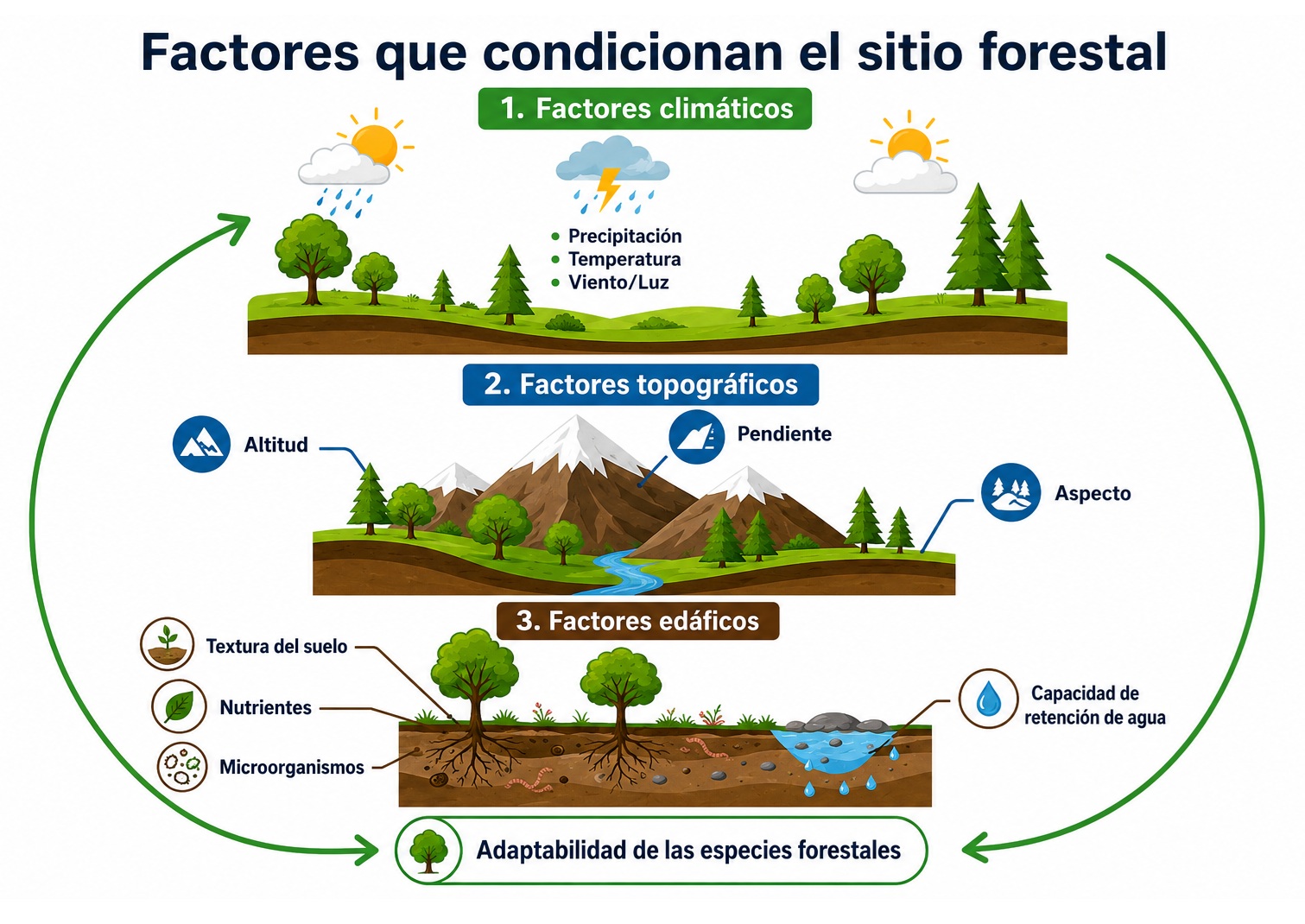
Descargas
Publicado
Número
Sección
Licencia
Derechos de autor 2026 Scientia Agropecuaria

Esta obra está bajo una licencia internacional Creative Commons Atribución-NoComercial 4.0.
Los autores que publican en esta revista aceptan los siguientes términos:
a. Los autores conservan los derechos de autor y conceden a la revista el derecho publicación, simultáneamente licenciada bajo una licencia de Creative Commons que permite a otros compartir el trabajo, pero citando la publicación inicial en esta revista.
b. Los autores pueden celebrar acuerdos contractuales adicionales separados para la distribución no exclusiva de la versión publicada de la obra de la revista (por ejemplo, publicarla en un repositorio institucional o publicarla en un libro), pero citando la publicación inicial en esta revista.
c. Se permite y anima a los autores a publicar su trabajo en línea (por ejemplo, en repositorios institucionales o en su sitio web) antes y durante el proceso de presentación, ya que puede conducir a intercambios productivos, así como una mayor citación del trabajo publicado (ver efecto del acceso abierto).