
Biofortificación agronómica, nutrir plantas para nutrir personas: Una revisión de estrategias y resultados
DOI:
https://doi.org/10.17268/sci.agropecu.2026.50Palabras clave:
micronutrientes, seguridad alimentaria, biodisponibilidad, malnutrición, fertilidad del sueloResumen
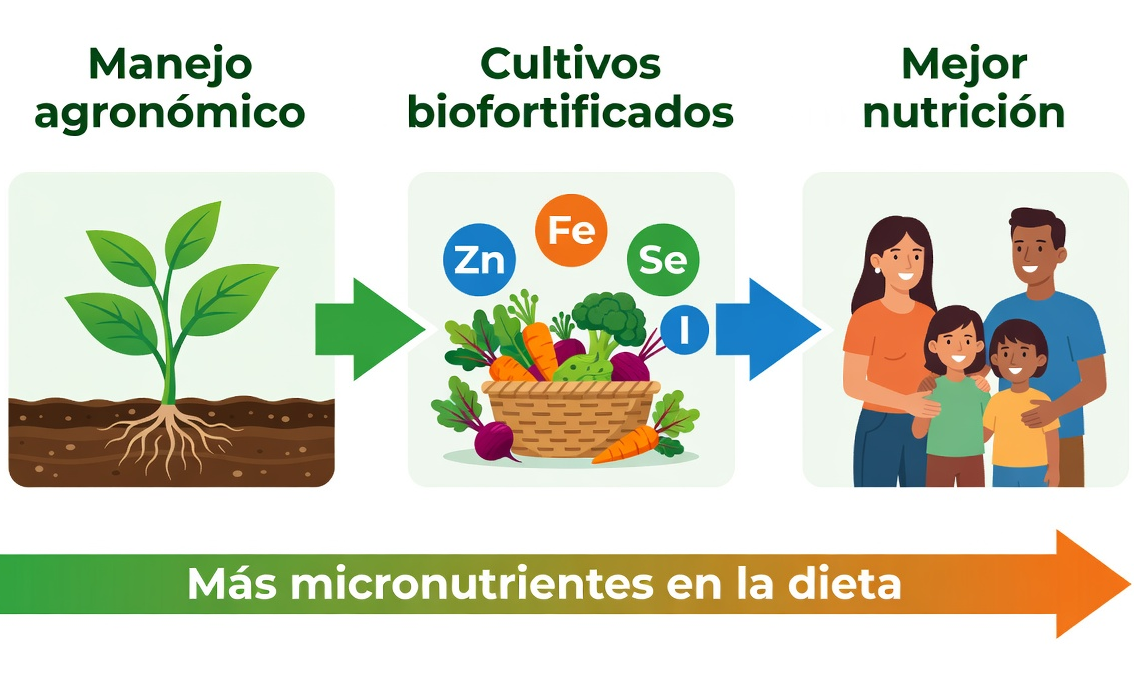
La biofortificación agronómica es una estrategia clave para incrementar el contenido de microelementos en los cultivos básicos y asegurar la seguridad alimentaria y nutricional a nivel mundial. Esta revisión tiene como objetivo sintetizar los avances recientes en el uso de la fertilización, el empleo de microorganismos y otras tecnologías para aumentar los contenidos de microelementos como zinc, hierro, selenio y yodo en granos y hortalizas, complementado con un análisis bibliométrico de las tendencias globales de investigación en este tópico. Los resultados del mapeo bibliométrico muestran la evolución de la producción científica, mientras que la literatura analizada indica que las aplicaciones de micronutrientes a los cultivos, mediante fertilización foliar o edáfica, el acondicionamiento de semillas y otras prácticas agrícolas responsables pueden incrementar la disponibilidad de micronutrientes en los alimentos sin afectar el rendimiento de los cultivos. Sin embargo, la respuesta a la biofortificación agronómica depende en gran medida del cultivo, ya que especies como la papa y el trigo difieren en su capacidad de absorción y translocación de micronutrientes, lo que exige ajustar la dosis, el momento de aplicación y la fuente más adecuada para cada especie. En conclusión, la biofortificación agronómica es una alternativa viable para cubrir parte del requerimiento nutricional de micronutrientes y así contribuir a mitigar la desnutrición y las deficiencias de micronutrientes a nivel poblacional. No obstante, aún persisten vacíos importantes respecto al grado real de aprovechamiento de estos micronutrientes por el ser humano, es decir, su bioaccesibilidad y biodisponibilidad, por lo que se requieren más estudios que vinculen la producción agrícola con la nutrición humana.
Referencias
Abbaspour, N., Hurrell, R., & Kelishadi, R. (2014). Review on iron and its importance for human health. Journal of Research in Medical Sciences, 19(2), 164-174.
Alvan, H. A., Jabbarzadeh, Z., Fard, J. R., & Noruzi, P. (2025). Selenium foliar application alleviates salinity stress in sweet william (Dianthus barbatus L.) by enhancing growth and reducing oxidative damage. Scientific Reports, 15, 5570. https://doi.org/10.1038/s41598-025-89463-6
Amir, M., Prasad, D., Khan, F. A., Khan, A., Ahamd, B., & Astha. (2024). Seed priming: An overview of techniques, mechanisms, and applications. Plant Science Today, 11(1), 553–563. https://doi.org/10.14719/pst.2828
Andrade-Sifuentes, A., Gaucin-Delgado, J. M., Fortis-Hernandez, M., Ojeda-Barrios, D. L., Rodríguez-Ortiz, J. C., Sánchez-Chavez, E., & Preciado-Rangel, P. (2024). Iodine biofortification improves yield and bioactive compounds in melon fruits. Horticultura Brasileira, 42. https://doi.org/10.1590/s0102-0536-2024-e275325
Antoshkina, M., Golubkina, N., Sekara, A., Tallarita, A., & Caruso, G. (2021). Effects of selenium application on biochemical characteristics and biofortification level of kohlrabi (Brassica oleracea L. var. gongylodes) produce. Frontiers in Bioscience - Landmark, 26(9), 533–542. https://doi.org/10.52586/4965
Anwar, S., Khalilzadeh, R., Khan, S., Zaib-un-Nisa, Bashir, R., Pirzad, A., & Malik, A. (2021). Mitigation of Drought Stress and Yield Improvement in Wheat by Zinc Foliar Spray Relates to Enhanced Water Use Efficiency and Zinc Contents. International Journal of Plant Production, 15(3), 377–389. https://doi.org/10.1007/s42106-021-00136-6
Atique-ur-Rehman, Farooq, M., Cheema, Z. A., & Wahid, A. (2012). Seed priming with boron improves growth and yield of fine grain aromatic rice. Plant Growth Regulation, 68(2), 189–201. https://doi.org/10.1007/s10725-012-9706-2
Bell, R. W., & Dell, B. (2008). Micronutrients for sustainable food, feed, fibre and bioenergy production. International Fertilizer Industry Association. IFA, Paris, France.
Berger, M. M., Shenkin, A., Dizdar, O. S., Amrein, K., Augsburger, M., Biesalski, H.-K., Bischoff, S. C., Casaer, M. P., Gundogan, K., Lepp, H.-L., de Man, A. M. E., Muscogiuri, G., Pietka, M., Pironi, L., Rezzi, S., Schweinlin, A., & Cuerda, C. (2024). ESPEN practical short micronutrient guideline. Clinical Nutrition, 43(3), 825–857. https://doi.org/10.1016/j.clnu.2024.01.030
Bhardwaj, A. K., Chejara, S., Malik, K., Kumar, R., Kumar, A., & Yadav, R. K. (2022). Agronomic biofortification of food crops: An emerging opportunity for global food and nutritional security. Frontiers in Plant Science, 13. https://doi.org/10.3389/fpls.2022.1055278
Botoman, L., Chimungu, J. G., Bailey, E. H., Munthali, M. W., Ander, E. L., Mossa, A. W., Young, S. D., Broadley, M. R., Lark, R. M., & Nalivata, P. C. (2022). Agronomic biofortification increases grain zinc concentration of maize grown under contrasting soil types in Malawi. Plant Direct, 6(11). https://doi.org/10.1002/pld3.458
Bouain, N., Kisko, M., Rouached, A., Dauzat, M., Lacombe, B., Belgaroui, N., Ghnaya, T., Davidian, J. C., Berthomieu, P., Abdelly, C., & Rouached, H. (2014). Phosphate/zinc interaction analysis in two lettuce varieties reveals contrasting effects on biomass, photosynthesis, and dynamics of Pi transport. BioMed Research International, 2014. https://doi.org/10.1155/2014/548254
Bouis, H. (2018). Reducing Mineral and Vitamin Deficiencies through Biofortification : Progress Under HarvestPlus. In H. Biesalski & R. Birner (Eds.), Hidden Hunger: Strategies to Improve Nutrition Quality. (Vol. 118, pp. 112–122). https://doi.org/10.1159/000484342
Bouis, H. E., & Saltzman, A. (2017). Improving nutrition through biofortification: A review of evidence from HarvestPlus, 2003 through 2016. Global Food Security, 12(January), 49–58. https://doi.org/10.1016/j.gfs.2017.01.009
Bradáčová, K., Weber, N. F., Morad-Talab, N., Asim, M., Imran, M., Weinmann, M., & Neumann, G. (2016). Micronutrients (Zn/Mn), seaweed extracts, and plant growth-promoting bacteria as cold-stress protectants in maize. Chemical and Biological Technologies in Agriculture, 3(1). https://doi.org/10.1186/s40538-016-0069-1
Briat, J. F., Dubos, C., & Gaymard, F. (2015). Iron nutrition, biomass production, and plant product quality. In Trends in Plant Science (Vol. 20, Number 1, pp. 33–40). Elsevier Ltd. https://doi.org/10.1016/j.tplants.2014.07.005
Broadley, M., Brown, P., Cakmak, I., Rengel, Z., & Zhao, F. (2012). Function of Nutrients: Micronutrients. In P. Marschner (Ed.), Marschner ’s Mineral Nutrition of Higher Plants (Third Edit, pp. 191–250). https://doi.org/10.1016/B978-0-12-384905-2.X0001-5
Broadley, M. R., White, P. J., Bryson, R. J., Meacham, M. C., Bowen, H. C., Johnson, S. E., Hawkesford, M. J., McGrath, S. P., Zhao, F.-J., Breward, N., Harriman, M., & Tucker, M. (2006). Biofortification of UK food crops with selenium. Proceedings of the Nutrition Society, 65(02), 169–181. https://doi.org/10.1079/PNS2006490
Buturi, C. V., Sabatino, L., Mauro, R. P., Navarro-León, E., Blasco, B., Leonardi, C., & Giuffrida, F. (2022). Iron Biofortification of Greenhouse Soilless Lettuce: An Effective Agronomic Tool to Improve the Dietary Mineral Intake. Agronomy, 12(8). https://doi.org/10.3390/agronomy12081793
Cakmak, I. (2008). Enrichment of cereal grains with zinc: Agronomic or genetic biofortification? Plant and Soil, 302(1–2), 1–17. https://doi.org/10.1007/s11104-007-9466-3
Cakmak, I., Kalayci, M., Kaya, Y., Torun, A. A., Aydin, N., Wang, Y., Arisoy, Z., Erdem, H., Yazici, A., Gokmen, O., Ozturk, L., & Horst, W. J. (2010). Biofortification and localization of zinc in wheat grain. Journal of Agricultural and Food Chemistry, 58(16), 9092–9102. https://doi.org/10.1021/jf101197h
Cakmak, I., & Kutman, U. B. (2018). Agronomic biofortification of cereals with zinc: a review. European Journal of Soil Science, 69(1), 172–180. https://doi.org/10.1111/ejss.12437
Caulfield, L. E., Richard, S. A., Rivera, J. A., Musgrove, P., & Black, R. E. (2006). Stunting, Wasting, and Micronutrient Deficiency Disorders. In D. T. Jamison, J. G. Breman, & A. R. Measham (Eds.), Disease Control Priorities in Developing Countries (Second edition). The International Bank for Reconstruction and Development/The World Bank.
Chasapis, C. T., Ntoupa, P. S. A., Spiliopoulou, C. A., & Stefanidou, M. E. (2020). Recent aspects of the effects of zinc on human health. Archives of Toxicology, 94(5), 1443–1460. https://doi.org/10.1007/s00204-020-02702-9
Cheah, Z. X., Harper, S. M., O’Hare, T. J., Kopittke, P. M., & Bell, M. J. (2022). Improved agronomic biofortification of sweetcorn achieved using foliar rather than soil Zn applications. Cereal Chemistry, 99(4), 819–829. https://doi.org/10.1002/cche.10539
Cheikh, O., Elaoud, A., Amor, H. Ben, & Hozayn, M. (2018). Effect of permanent magnetic field on the properties of static water and germination of cucumber seeds. International Journal of Multidisciplinary and Current Research, 6(01). https://doi.org/10.14741/ijmcr.v6i01.10916
Choukri, M., Abouabdillah, A., Bouabid, R., Abd-Elkader, O. H., Pacioglu, O., Boufahja, F., & Bourioug, M. (2022). Zn application through seed priming improves productivity and grain nutritional quality of silage corn. Saudi Journal of Biological Sciences, 29(12). https://doi.org/10.1016/j.sjbs.2022.103456
Ciriello, M., Formisano, L., El-Nakhel, C., Zarrelli, A., Giordano, M., De Pascale, S., Kyriacou, M., & Rouphael, Y. (2023). Iodine biofortification of four microgreens species and its implications for mineral composition and potential contribution to the recommended dietary intake of iodine. Scientia Horticulturae, 320. https://doi.org/10.1016/j.scienta.2023.112229
Comerford, N. B. (2005). Soil factors affecting nutrient bioavailability. In H. BassiriRad (Ed.), Nutrient acquisition by plants (Ecological Studies, Vol. 181, pp. 1–14). Springer, Berlin, Heidelberg. https://doi.org/10.1007/3-540-27675-0_1
Consentino, B. B., Ciriello, M., Sabatino, L., Vultaggio, L., Baldassano, S., Vasto, S., Rouphael, Y., La Bella, S., & De Pascale, S. (2023). Current Acquaintance on Agronomic Biofortification to Modulate the Yield and Functional Value of Vegetable Crops: A Review. In Horticulturae, 9, 2. https://doi.org/10.3390/horticulturae9020219
Council for Agricultural Science and Technology (CAST). (2020). Food Biofortification-Reaping the Benefits of Science to Overcome Hidden Hunger. Series on The Need for Agricultural Innovation to Sustainably Feed the World by 2050.
D’Amato, R., Regni, L., Falcinelli, B., Mattioli, S., Benincasa, P., Dal Bosco, A., Pacheco, P., Proietti, P., Troni, E., Santi, C., & Businelli, D. (2020). Current Knowledge on Selenium Biofortification to Improve the Nutraceutical Profile of Food: A Comprehensive Review. Journal of Agricultural and Food Chemistry, 68(14), 4075–4097. https://doi.org/10.1021/acs.jafc.0c00172
Dang, F., Li, Z., & Zhong, H. (2019). Methylmercury and selenium interactions: Mechanisms and implications for soil remediation. Critical Reviews in Environmental Science and Technology, 49(19), 1737–1768. https://doi.org/10.1080/10643389.2019.1583051
Das, S., & Green, A. (2016). Zinc in Crops and Human Health. In U. Singh, C. S. Praharaj, S. S. Singh, & N. P. Singh (Eds.), Biofortification of Food Crops (pp. 31–40). Springer India. https://doi.org/10.1007/978-81-322-2716-8_3
de Almeida, H., Carmona, V. M. V., Inocêncio, M. F., Furtini Neto, A. E., Cecílio Filho, A. B., & Mauad, M. (2020). Soil type and zinc doses in agronomic biofortification of lettuce genotypes. Agronomy, 10(1), 2–10. https://doi.org/10.3390/agronomy10010125
de Lima, A. B., de Andrade Vilalta, T., Lessa, J. H. de L., Lopes, G., Guilherme, L. R. G., & Guerra, M. B. B. (2023). Selenium bioaccessibility in rice grains biofortified via soil or foliar application of inorganic Se. Journal of Food Composition and Analysis, 124. https://doi.org/10.1016/j.jfca.2023.105652
de Valença, A. W., Bake, A., Brouwer, I. D., & Giller, K. E. (2017). Agronomic biofortification of crops to fight hidden hunger in sub-Saharan Africa. Global Food Security, 12, 8–14. https://doi.org/10.1016/j.gfs.2016.12.001
Desai, A., & Archana, G. (2011). Role of Siderophores in Crop Improvement. In D. K. Maheshwari (Ed.), Bacteria in Agrobiology: Plant Nutrient Management (pp. 109–139). Springer Berlin Heidelberg. https://doi.org/10.1007/978-3-642-21061-7_6
Dhaliwal, S. S., Sharma, V., Shukla, A. K., Verma, V., Kaur, M., Shivay, Y. S., Nisar, S., Gaber, A., Brestic, M., Barek, V., Skalicky, M., Ondrisik, P., & Hossain, A. (2022). Biofortification—A Frontier Novel Approach to Enrich Micronutrients in Field Crops to Encounter the Nutritional Security. Molecules, 27(4), 1340. https://doi.org/10.3390/molecules27041340
Dhanyalakshmi, K. H., Mohan, R., Behera, S., Jha, U. C., Moharana, D., Behera, A., Thomas, S., Soumya, P. R., Sah, R. P., & Beena, R. (2024). Next Generation Nutrition: Genomic and Molecular Breeding Innovations for Iron and Zinc Biofortification in Rice. Rice Science, 31(5), 526-544. https://doi.org/10.1016/j.rsci.2024.04.008
Di Gioia, F., Petropoulos, S. A., Ozores-Hampton, M., Morgan, K., & Rosskopf, E. N. (2019). Zinc and iron agronomic biofortification of Brassicaceae microgreens. Agronomy, 9(11), 677. https://doi.org/10.3390/agronomy9110677
Dobosy, P., Endrédi, A., Sandil, S., Vetési, V., Rékási, M., Takács, T., & Záray, G. (2020). Biofortification of Potato and Carrot With Iodine by Applying Different Soils and Irrigation With Iodine-Containing Water. Frontiers in Plant Science, 11. https://doi.org/10.3389/fpls.2020.593047
dos Santos, M. M. M., da Silva, G. P., Prado, R. de M., Pinsetta Junior, J. S., Mattiuz, B. H., & Braun, H. (2022). Biofortification of tomato with stabilized alkaline silicate and silicic acid, nanosilica, and potassium silicate via leaf increased ascorbic acid content and fruit firmness. Journal of Plant Nutrition, 45(6), 896–903. https://doi.org/10.1080/01904167.2021.1994599
Duborská, E., Urík, M., & Šeda, M. (2020). Iodine biofortification of vegetables could improve iodine supplementation status. Agronomy, 10(10). https://doi.org/10.3390/agronomy10101574
Durán, P., Acuña, J. J., Jorquera, M. A., Azcón, R., Borie, F., Cornejo, P., & Mora, M. L. (2013). Enhanced selenium content in wheat grain by co-inoculation of selenobacteria and arbuscular mycorrhizal fungi: A preliminary study as a potential Se biofortification strategy. Journal of Cereal Science, 57(3), 275–280. https://doi.org/10.1016/j.jcs.2012.11.012
Elizabeth, G. J., & Koshy, G. (2024). Micronutrient Hunger or Hidden Hunger Among Infants and Young Children on Healthy Diets. In H. Szajewska, J. Neu, R. Shamir, G. Wong, & A. Prentice (Eds.), Shaping the Future with Nutrition (Vol. 100, pp. 111–124). https://doi.org/10.1159/000540141
Elkelish, A. A., Soliman, Mona. H., Alhaithloul, H. A., & El-Esawi, M. A. (2019). Selenium protects wheat seedlings against salt stress-mediated oxidative damage by up-regulating antioxidants and osmolytes metabolism. Plant Physiology and Biochemistry, 137, 144–153. https://doi.org/10.1016/j.plaphy.2019.02.004
Eveleigh, E. R., Coneyworth, L., & Welham, S. J. M. (2023). Systematic review and meta-analysis of iodine nutrition in modern vegan and vegetarian diets. British Journal of Nutrition, 30(9), 1580–1594. https://doi.org/10.1017/S000711452300051X
FAO. (2013). The state of food and agriculture, 2013. In Lancet (Vol. 2, Number 7929). https://doi.org/ISBN: 978-92-5-107671-2 I
FAO, FIDA, OMS, PMA, & UNICEF. (2024). El estado de la seguridad alimentaria y la nutrición en el mundo 2024: Financiación para acabar con el hambre, la inseguridad alimentaria y la malnutrición en todas sus formas. FAO; IFAD; WHO; WFP; UNICEF; https://doi.org/10.4060/cd1254es
Farooq, M. R., Zhang, Z., Yin, X., Chen, Y., Yuan, L., Liu, X., Ye, T., & Li, M. (2025). Effective agronomic biofortification of rice with selenium: Ensuring dietary intake through relative bioavailability and bioaccessible fractions. Food Research International, 221. https://doi.org/10.1016/j.foodres.2025.117361
Farooq, M., Usman, M., Nadeem, F., Rehman, H. U., Wahid, A., Basra, S. M. A., & Siddique, K. H. M. (2019). Seed priming in field crops: Potential benefits, adoption and challenges. Crop and Pasture Science, 70(9), 731–771. https://doi.org/10.1071/CP18604
Fernández, V., Sotiropoulos, T., & Brown, P. (2013). Foliar Fertilization Scientific Principles and Field Practices (First edition). International Fertilizer Industry Association. www.fertilizer.org
Galić, L., Vinković, T., Ravnjak, B., & Lončarić, Z. (2021). Agronomic biofortification of significant cereal crops with selenium—a review. Agronomy, 11(5), 1015. https://doi.org/10.3390/agronomy11051015
Galinha, C., Sánchez-Martínez, M., Pacheco, A. M. G., Freitas, M. do C., Coutinho, J., Maçãs, B., Almeida, A. S., Pérez-Corona, M. T., Madrid, Y., & Wolterbeek, H. T. (2014). Characterization of selenium-enriched wheat by agronomic biofortification. Journal of Food Science and Technology, 52(7), 4236–4245. https://doi.org/10.1007/s13197-014-1503-7
Garcia Neto, J., Prado, R. de M., de Souza Júnior, J. P., Silva, S. L. O., Farias, T. P., & de Souza, J. Z. (2022). Silicon leaf spraying increases biofortification production, ascorbate content and decreases water loss post-harvest from land cress and chicory leaves. Journal of Plant Nutrition, 45(8), 1283–1290. https://doi.org/10.1080/01904167.2021.2003390
Ghasemi, S., Khoshgoftarmanesh, A. H., Afyuni, M., & Hadadzadeh, H. (2013). The effectiveness of foliar applications of synthesized zinc-amino acid chelates in comparison with zinc sulfate to increase yield and grain nutritional quality of wheat. European Journal of Agronomy, 45. https://doi.org/10.1016/j.eja.2012.10.012
Gopalakrishnan, S., Vadlamudi, S., Samineni, S., & Sameer Kumar, C. V. (2016). Plant growth-promotion and biofortification of chickpea and pigeonpea through inoculation of biocontrol potential bacteria, isolated from organic soils. SpringerPlus, 5(1). https://doi.org/10.1186/s40064-016-3590-6
Guardiola-Márquez, C. E., García-Sánchez, C. V., Sánchez-Arellano, Ó. A., Bojorquez-Rodríguez, E. M., & Jacobo-Velázquez, D. A. (2023). Biofortification of Broccoli Microgreens (Brassica oleracea var. italica) with Glucosinolates, Zinc, and Iron through the Combined Application of Bio- and Nanofertilizers. Foods, 12(20). https://doi.org/10.3390/foods12203826
Gutierrez-Vilchez, P. P., Quispe-Poma, M., Acuña, M., Egusquiza, R., & Vega-Ravello, R. (2026). Agronomic biofortification of potato through Zn foliar and soil fertilization. Soil Science Annual, 77(2), 221698. https://doi.org/10.37501/soilsa/221698
Hafeez, B., Khanif, Y. M., & Saleem, M. (2013). Role of Zinc in Plant Nutrition-A Review. American Journal of Experimental Agriculture, 3(2), 374–391. www.sciencedomain.org
Harris, D. (2006). Development and Testing of “On-Farm” Seed Priming. Advances in Agronomy, 90, 129–178. https://doi.org/10.1016/S0065-2113(06)90004-2
Havlin, J. L., Beaton, J. D., Tisdale, S. L., Nelson, W. R., & Nelson, W. L. (2017). Soil Fertility and Fertilizers. An introduction to Nutrient Management (Eighth edi). Pearson.
Huey, S. L., Mehta, N. H., Konieczynski, E. M., Bhargava, A., Friesen, V. M., Krisher, J. T., Mbuya, M. N. N., Monterrosa, E., Nyangaresi, A. M., Boy, E., & Mehta, S. (2022). Bioaccessibility and bioavailability of biofortified food and food products: Current evidence. Critical Reviews in Food Science and Nutrition, 64(14), 4500–4522. https://doi.org/10.1080/10408398.2022.2142762
Imran, M., & Rehim, A. (2017). Zinc fertilization approaches for agronomic biofortification and estimated human bioavailability of zinc in maize grain. Archives of Agronomy and Soil Science, 63(1), 106–116. https://doi.org/10.1080/03650340.2016.1185660
Izydorczyk, G., Ligas, B., Mikula, K., Witek-Krowiak, A., Moustakas, K., & Chojnacka, K. (2021). Biofortification of edible plants with selenium and iodine – A systematic literature review. Science of the Total Environment, 754. https://doi.org/10.1016/j.scitotenv.2020.141983
Jahan, T. A., & Tar’an, B. (2023). Agronomic Approach to Iron Biofortification in Chickpea. Agronomy, 13(12), 2894. https://doi.org/10.3390/agronomy13122894
Jalal, A., da Silva Oliveira, C. E., Fernandes, H. B., Galindo, F. S., da Silva, E. C., Fernandes, G. C., Nogueira, T. A. R., de Carvalho, P. H. G., Balbino, V. R., de Lima, B. H., & Filho, M. C. M. T. (2022). Diazotrophic Bacteria Is an Alternative Strategy for Increasing Grain Biofortification, Yield and Zinc Use Efficiency of Maize. Plants, 11(9). https://doi.org/10.3390/plants11091125
Jalal, A., Shah, S., Carvalho Minhoto Teixeira Filho, M., Khan, A., Shah, T., Ilyas, M., & Leonel Rosa, P. A. (2020). Agro-Biofortification of Zinc and Iron in Wheat Grains. Gesunde Pflanzen, 72(3), 227–236. https://doi.org/10.1007/s10343-020-00505-7
Jha, A. B., & Warkentin, T. D. (2020). Biofortification of pulse crops: Status and future perspectives. Plants, 9(1), 73. https://doi.org/10.3390/plants9010073
Joy, E. J. M., Stein, A. J., Young, S. D., Ander, E. L., Watts, M. J., & Broadley, M. R. (2015). Zinc-enriched fertilisers as a potential public health intervention in Africa. Plant and Soil, 389(1–2), 1–24. https://doi.org/10.1007/s11104-015-2430-8
Kabata-Pendias, A. (2011). Trace elements in soils and plants. In CRC Press (Fourth Edi). https://doi.org/10.1201/b10158-25
Kabeer, S., Mary, S. J., Govindarajan, N., Essa, M. M., & Qoronfleh, M. W. (2024). Traditional weaning foods and processing methods with fortification for sustainable development of infants to combat zero hunger: a review. Journal of Food Science and Technology. https://doi.org/10.1007/s13197-024-06065-2
Kachinski, W. D., Ávila, F. W., dos Reis, A. R., Muller, M. M. L., Mendes, M. C., & Petranski, P. H. (2022). Agronomic biofortification increases concentrations of zinc and storage proteins in common bean (Phaseolus vulgaris L.) grains. Food Research International, 155. https://doi.org/10.1016/j.foodres.2022.111105
Kathi, S., Laza, H., Singh, S., Thompson, L., Li, W., & Simpson, C. (2022). Increasing vitamin C through agronomic biofortification of arugula microgreens. Scientific Reports, 12(1), 13093. https://doi.org/10.1038/s41598-022-17030-4
Krebs, N. F., Miller, L. V., & Michael Hambidge, K. (2014). Zinc deficiency in infants and children: A review of its complex and synergistic interactions. Paediatrics and International Child Health, 34(4), 279–288. https://doi.org/10.1179/2046905514Y.0000000151
Krężel, A., & Maret, W. (2016). The biological inorganic chemistry of zinc ions. Archives of Biochemistry and Biophysics, 611, 3–19. https://doi.org/10.1016/j.abb.2016.04.010
Krzepiłko, A., Kościk, B., Skowrońska, M., Kuśmierz, S., Walczak, J., & Prażak, R. (2022). Quality of Rye Plants (Secale cereale) as Affected by Agronomic Biofortification with Iodine. Plants, 12(1), 100. https://doi.org/10.3390/plants12010100
Krzepiłko, A., Prazak, R., Skwaryło-Bednarz, B., & Molas, J. (2019). Agronomic biofortification as a means of enriching plant foodstuffs with iodine. Acta Agrobotanica, 72(2). https://doi.org/10.5586/aa.1766
Krzepiłko, A., Święciło, A., & Zych-Wężyk, I. (2021). The antioxidant properties and biological quality of radish seedlings biofortified with iodine. Agronomy, 11(10). https://doi.org/10.3390/agronomy11102011
La Bella, S., Consentino, B. B., Rouphael, Y., Ntatsi, G., De Pasquale, C., Iapichino, G., & Sabatino, L. (2021). Impact of ecklonia maxima seaweed extract and mo foliar treatments on biofortification, spinach yield, quality and nue. Plants, 10(6). https://doi.org/10.3390/plants10061139
Lange, O., Mehra, D., de Pee, S., & Bloem, M. W. (2017). Integrated Approaches to Health and Nutrition: Role of Communities. In S. de Pee, D. Taren, & M. Bloem (Eds.), Nutrition and Health in a Developing World (pp. 625–645). Springer International Publishing. https://doi.org/10.1007/978-3-319-43739-2_28
Lata-Tenesaca, L. F., de Mello Prado, R., Ajila-Celi, G. E., da Silva, D. L., Junior, J. S. P., & Mattiuz, B. H. (2023). Iron biofortification in quinoa: Effect of iron application methods on nutritional quality, anti-nutrient composition, and grain productivity. Food Chemistry, 404. https://doi.org/10.1016/j.foodchem.2022.134573
Lawson, P. G., Daum, D., Czauderna, R., Meuser, H., & Härtling, J. W. (2015). Soil versus foliar iodine fertilization as a biofortification strategy for field-grown vegetables. Frontiers in Plant Science, 6(JUNE), 1–11. https://doi.org/10.3389/fpls.2015.00450
Lemanceau, P., Bauer, P., Kraemer, S., & Briat, J. F. (2009). Iron dynamics in the rhizosphere as a case study for analyzing interactions between soils, plants and microbes. Plant and Soil, 321(1–2), 513–535. https://doi.org/10.1007/s11104-009-0039-5
Li, Y., Gou, Y., Lin, T., Shi, J., & Tian, X. (2026). Foliar ZnSe co-biofortification in wheat grains: Proteomic insights into nutritional enhancement and molecular responses. Food Chemistry, 498, 147152. https://doi.org/10.1016/j.foodchem.2025.147152
Lichtenstein, A., & Russell, R. (2005). Essential Nutrients: Food or Supplements? Where Should the Emphasis Be? JAMA, 294(3), 351. www.jama.com
Lima, J. de S., Andrade, O. V. S., Morais, E. G. de, Machado, G. G. L., Santos, L. C. dos, Andrade, E. S. de, Benevenute, P. A. N., Martins, G. S., Nascimento, V. L., Marchiori, P. E. R., Lopes, G., Vilas Boas, E. V. de B., & Guilherme, L. R. G. (2023). KI Increases Tomato Fruit Quality and Water Deficit Tolerance by Improving Antioxidant Enzyme Activity and Amino Acid Accumulation: A Priming Effect or Relief during Stress? Plants, 12(23). https://doi.org/10.3390/plants12234023
Liu, Y., Huang, S., Jiang, Z., Wang, Y., & Zhang, Z. (2021). Selenium Biofortification Modulates Plant Growth, Microelement and Heavy Metal Concentrations, Selenium Uptake, and Accumulation in Black-Grained Wheat. Frontiers in Plant Science, 12. https://doi.org/10.3389/fpls.2021.748523
Lončarić, Z., Varga, I., Nemet, F., Perić, K., Jović, J., Zebec, V., Ivezić, V., Iljkić, D., Galić, L., & Sudarić, A. (2024). Efficiency of biofortification with Zn and Se in soybean: yield and overall mineral content in plant. Applied Sciences, 14. https://doi.org/10.3390/app142311349
Lowe, N. M. (2021). The global challenge of hidden hunger: Perspectives from the field. Proceedings of the Nutrition Society, 80(3), 283–289. https://doi.org/10.1017/S0029665121000902
Mackowiak, C. L., & Amacher, M. C. (2008). Soil Sulfur Amendments Suppress Selenium Uptake by Alfalfa and Western Wheatgrass. Journal of Environmental Quality, 37(3), 772–779. https://doi.org/10.2134/jeq2007.0157
Mageshen, V. R., Santhy, P., Latha, M. R., Meena, S., Aswitha, K., Anbarasan, S., Krithika, C., & Maimaran, G. (2023). Impact of Iodine Biofortification on Tomato Bioaccessibility through Cooking, Soaking and Simulated Digestion. Asian Journal of Dairy and Food Research, 43(2), 268-274. https://doi.org/10.18805/ajdfr.dr-2132
Magor, E., Wilson, M. D., Wong, H., Cresswell, T., Sánchez-Palacios, J. T., Bell, R. W., & Penrose, B. (2023). Selected adjuvants increase the efficacy of foliar biofortification of iodine in bread wheat (Triticum aestivum L.) grain. Frontiers in Plant Science, 14. https://doi.org/10.3389/fpls.2023.1246945
Malathi, P., Keerthana, R., & Sellamuthu, K. M. (2024). Sources and Levels of Zinc Fertilization on Soil Zinc Availability and Zinc Uptake by Small Onion (Allium cepa L. var. aggregatum). Asian Research Journal of Agriculture, 17(4), 1032–1044. https://doi.org/10.9734/arja/2024/v17i4617
Medrano-Macías, J., López Caltzontzit, M. G., Rivas Martínez, E. N., Narváez Ortiz, W. A., Benavides Mendoza, A., & Martínez Lagunes, P. (2021). Enhancement to salt stress tolerance in strawberry plants by iodine products application. Agronomy, 11(3). https://doi.org/10.3390/agronomy11030602
Mikkelsen, R. L., Page, A. L., & Bingham, F. T. (1989). Factors Affecting Selenium Accumulation by Agricultural Crops. In L. W. Jacobs (Ed.), Selenium in Agriculture and the Environment (pp. 65–94). Soil Science Society of America and American Society of Agronomy.
Mishra, G. P., Dikshit, H. K., Priti, Kukreja, B., Aski, M., Yadava, D. K., Sarker, A., & Kumar, S. (2022). Historical Overview of Biofortification in Crop Plants and Its Implications. In S. Kumar, H. K. Dikshit, G. P. Mishra, & A. Singh (Eds.), Biofortification of Staple Crops (1st ed., pp. 31–61). Springer Singapore. https://doi.org/10.1007/978-981-16-3280-8_2
Mishra, M., Afzal, S., Yadav, R., Singh, N. K., & Zarbakhsh, S. (2025). Salinity stress amelioration through selenium and zinc oxide nanoparticles in rice. Scientific Reports, 15(1). https://doi.org/10.1038/s41598-025-12106-3
Mkambula, P., Birol, E., Friesen, V. M., Munyua, H. M., Alberts, D., Aytekin, D., Mudyahoto, B., Boy, E., & Mbuya, M. N. (2022). Transforming food systems to deliver nutritious foods: the vital roles of fortification and biofortification. GAIN Discussion Paper n°10 https://doi.org/10.36072/dp.10
Molotoks, A., Smith, P., & Dawson, T. P. (2021). Impacts of land use, population, and climate change on global food security. Food and Energy Security, 10(1). https://doi.org/10.1002/fes3.261
Morais, E. G. de, Silva, M. A., Quispe, A. P. V., Machado, G. G. L., Prado, D. T., Benevenute, P. A. N., Lima, J. de S., de Sousa, G. F., de Barros Vilas Boas, E. V., & Guilherme, L. R. G. (2024). Foliar sprays of multi-nutrient fertilizer containing selenium produce functional tomato fruits with higher shelf life. Plants, 13(16). https://doi.org/10.3390/plants13162288
Mousavi, S. R., Galavi, M., & Rezaei, M. (2013). Zinc (Zn) Importance for Crop Production-A Review. International Journal of Agronomy and Plant Production, 4(1), 64–68.
Muñoz, F. F., Stoffel, M. M., Céccoli, G., Trod, B. S., Daurelio, L. D., Bouzo, C. A., & Guevara, M. G. (2021). Improving the foliar biofortification of broccoli with selenium without commercial quality losses. Crop Science, 61(6), 4218–4228. https://doi.org/10.1002/csc2.20630
Muthayya, S., Rah, J. H., Sugimoto, J. D., Roos, F. F., Kraemer, K., & Black, R. E. (2013). The Global Hidden Hunger Indices and Maps: An Advocacy Tool for Action. PLoS ONE, 8(6). https://doi.org/10.1371/journal.pone.0067860
Nafady, N. A., & Elgharably, A. (2018). Mycorrhizal symbiosis and phosphorus fertilization effects on Zea mays growth and heavy metals uptake. International Journal of Phytoremediation, 20(9), 869–875. https://doi.org/10.1080/15226514.2018.1438358
Nahim-Granados, S., Oller, I., Malato, S., Sánchez Pérez, J. A., & Polo-Lopez, M. I. (2019). Commercial fertilizer as effective iron chelate (Fe3+-EDDHA) for wastewater disinfection under natural sunlight for reusing in irrigation. Applied Catalysis B: Environmental, 253, 286–292. https://doi.org/10.1016/j.apcatb.2019.04.041
Narwal B, R. P., Kumar, R., & Antil, R. S. (2010). Long-term effect of farmyard manure and N on the distribution of zinc and copper in soil fractions under pearl millet-wheat cropping system. 19th World Congress of Soil Science, Soil Solutions for a Changing World.
Narwal, S., Kumar, D., Kharub, A. S., & Verma, R. P. S. (2020). Barley biofortification: present status and future prospects. Wheat and Barley Grain Biofortification, 11, 275–294. https://doi.org/10.1016/B978-0-12-818444-8.00011-0
Natasha, Shahid, M., Niazi, N. K., Khalid, S., Murtaza, B., Bibi, I., & Rashid, M. I. (2018). A critical review of selenium biogeochemical behavior in soil-plant system with an inference to human health. Environmental Pollution, 34(234), 915–934. https://doi.org/10.1016/j.envpol.2017.12.019
Nazaries, L., Pan, Y., Bodrossy, L., Baggs, E. M., Millard, P., Murrell, J. C., & Singh, B. K. (2013). Evidence of microbial regulation of biogeochemical cycles from a study on methane flux and land use change. Applied and Environmental Microbiology, 79(13), 4031–4040. https://doi.org/10.1128/AEM.00095-13
Newman, R. G., Moon, Y., Sams, C. E., Tou, J. C., & Waterland, N. L. (2021). Biofortification of Sodium Selenate Improves Dietary Mineral Contents and Antioxidant Capacity of Culinary Herb Microgreens. Frontiers in Plant Science, 12. https://doi.org/10.3389/fpls.2021.716437
Nicolescu, A., Babotă, M., Barros, L., Rocchetti, G., Lucini, L., Tanase, C., Mocan, A., Bunea, C. I., & Crișan, G. (2023). Bioaccessibility and bioactive potential of different phytochemical classes from nutraceuticals and functional foods. Frontiers in Nutrition, 10. https://doi.org/10.3389/fnut.2023.1184535
Nie, Z., Zhu, J., Li, J., Liu, H., Zhao, P., Gao, W., Qin, S., Li, C., Zhang, W., & Sui, F. (2020). Phosphorus application alters concentrations and proportions of organic Se forms in the grain of winter wheat. Journal of Plant Nutrition and Soil Science, 183(3), 282–291. https://doi.org/10.1002/jpln.201900045
Ofori, K. F., Antoniello, S., English, M. M., & Aryee, A. N. A. (2022). Improving nutrition through biofortification–A systematic review. Frontiers in Nutrition, 9. https://doi.org/10.3389/fnut.2022.1043655
Oh, S., Cave, G., & Lu, C. (2021). Vitamin B12 (Cobalamin) and Micronutrient Fortification in Food Crops Using Nanoparticle Technology. Frontiers in Plant Science, 12. https://doi.org/10.3389/fpls.2021.668819
Oliveira, V. de S., Marchiori, J. J. de P., Ferreira, L. de S., Boone, G. T. F., Pereira, L. L. dos S., Carriço, E., & Bolsoni, E. Z. (2023). The Nutrient Zinc in Soil and Plant: A Review. International Journal of Plant & Soil Science, 35(4), 25–30. https://doi.org/10.9734/ijpss/2023/v35i42794
OMS. (2023). Aceleración de las actividades para prevenir las carencias de micronutrientes y sus consecuencias, incluida la espina bífida y otros defectos del tubo neural, mediante un enriquecimiento seguro y eficaz de los alimentos. Organización Mundial de la Salud.
Organización de las Naciones Unidas, Departamento de Asuntos Económicos y Sociales, División de Población. (2024). World Population Prospects 2024: Summary of results (UN DESA/POP/2024/TR/NO. 9).
Ova, E. A., Kutman, U. B., Ozturk, L., & Cakmak, I. (2015). High phosphorus supply reduced zinc concentration of wheat in native soil but not in autoclaved soil or nutrient solution. Plant and Soil, 393(1–2), 147–162. https://doi.org/10.1007/s11104-015-2483-8
Oztekin, Y., & Buyuktuncer, Z. (2024). Agronomic Biofortification of Plants with Iodine and Selenium: A Potential Solution for Iodine and Selenium Deficiencies. Biological Trace Element Research, 203, 2899–2910. https://doi.org/10.1007/s12011-024-04346-7
Padovani, R. M., Amaya-Farfán, J., Antonio, F., Colugnati, B., Martins, S., & Domene, Á. (2006). Dietary reference intakes: application of tables in nutritional studies. In Rev. Nutr (Vol. 19, Number 6).
Pal, V., Singh, G., & Dhaliwal, S. S. (2021). A New Approach in Agronomic Biofortification for Improving Zinc and Iron Content in Chickpea (Cicer arietinum L.) Grain with Simultaneous Foliar Application of Zinc Sulphate, Ferrous Sulphate and Urea. Journal of Soil Science and Plant Nutrition, 21(2), 883–896. https://doi.org/10.1007/s42729-021-00408-0
Pannico, A., El-Nakhel, C., Graziani, G., Kyriacou, M. C., Giordano, M., Soteriou, G. A., Zarrelli, A., Ritieni, A., De Pascale, S., & Rouphael, Y. (2020). Selenium biofortification impacts the nutritive value, polyphenolic content, and bioactive constitution of variable microgreens genotypes. Antioxidants, 9(4). https://doi.org/10.3390/antiox9040272
Panzeri, C., Pecoraro, L., Dianin, A., Sboarina, A., Arnone, O. C., Piacentini, G., & Pietrobelli, A. (2024). Potential Micronutrient Deficiencies in the First 1000 Days of Life: The Pediatrician on the Side of the Weakest. Current Obesity Reports, 13(2), 338–351. https://doi.org/10.1007/s13679-024-00554-3
Phattarakul, N., Rerkasem, B., Li, L. J., Wu, L. H., Zou, C. Q., Ram, H., Sohu, V. S., Kang, B. S., Surek, H., Kalayci, M., Yazici, A., Zhang, F. S., & Cakmak, I. (2012). Biofortification of rice grain with zinc through zinc fertilization in different countries. Plant and Soil, 361(1–2), 131–141. https://doi.org/10.1007/s11104-012-1211-x
Pilon-Smits, E. A. H. (2019). On the ecology of selenium accumulation in plants. Plants, 8(7). https://doi.org/10.3390/plants8070197
Prom-u-thai, C., Rashid, A., Ram, H., Zou, C., Guilherme, L. R. G., Corguinha, A. P. B., Guo, S., Kaur, C., Naeem, A., Yamuangmorn, S., Ashraf, M. Y., Sohu, V. S., Zhang, Y., Martins, F. A. D., Jumrus, S., Tutus, Y., Yazici, M. A., & Cakmak, I. (2020). Simultaneous Biofortification of Rice With Zinc, Iodine, Iron and Selenium Through Foliar Treatment of a Micronutrient Cocktail in Five Countries. Frontiers in Plant Science, 11. https://doi.org/10.3389/fpls.2020.589835
Puccinelli, M., Malorgio, F., Incrocci, L., Rosellini, I., & Pezzarossa, B. (2021a). Effects of individual and simultaneous selenium and iodine biofortification of baby-leaf lettuce plants grown in two different hydroponic systems. Horticulturae, 7(12). https://doi.org/10.3390/horticulturae7120590
Puccinelli, M., Pezzarossa, B., Pintimalli, L., & Malorgio, F. (2021b). Selenium Biofortification of Three Wild Species, Rumex acetosa L., Plantago coronopus L., and Portulaca oleracea L., Grown as Microgreens. Agronomy, 11(1155). https://doi.org/10.3390/agronomy
Quispe, A. P. V., Morais, E. G. de, Benevenute, P. A. N., Lima, J. de S., dos Santos, L. C., Silva, M. A., Chalfun-Júnior, A., Marchiori, P. E. R., & Guilherme, L. R. G. (2025). Priming effect with selenium and iodine on broccoli seedlings: Activation of biochemical mechanisms to mitigate cold damages. Plant Physiology and Biochemistry, 223, 109876. https://doi.org/10.1016/j.plaphy.2025.109876
Raj, A. B., & Raj, S. K. (2019). Seed priming: An approach towards agricultural sustainability. Journal of Applied and Natural Science, 11(1), 227–234. https://doi.org/10.31018/jans.v11i1.2010
Ram, S., Malik, V. K., Gupta, V., Narwal, S., Sirohi, M., Ankush, Pandey, V., Gupta, O. P., Misra, A. K., & Singh, G. (2024). Impact of foliar application of iron and zinc fertilizers on grain iron, zinc, and protein contents in bread wheat (Triticum aestivum L.). Frontiers in Nutrition, 11. https://doi.org/10.3389/fnut.2024.1378937
Rasouli-Sadaghiani, M., Malakouti, M. J., Khavazi, K., & Miransari, M. (2014). Siderophore efficacy of fluorescent pseudomonades affecting labeled iron (59Fe) uptake by wheat (Triticum aestivum l.) genotypes differing in fe efficiency. In M. Miransari (Ed.), Use of Microbes for the Alleviation of Soil Stresses (pp. 121–132). Springer New York. https://doi.org/10.1007/978-1-4939-0721-2_7
Ravello, R. A. V., de Oliveira, C., Lessa, J., Boas, L. V. V., de Castro, E. M., Guilherme, L. R. G., & Lopes, G. (2021). Selenium application influenced selenium biofortification and physiological traits in water-deficit common bean plants. Crop and Pasture Science, 73(2), 44–55. https://doi.org/10.1071/CP20519
Reis, H. P. G., Barcelos, J. P. de Q., Junior, E. F., Santos, E. F., Silva, V. M., Moraes, M. F., Putti, F. F., & Reis, A. R. dos. (2018). Agronomic biofortification of upland rice with selenium and nitrogen and its relation to grain quality. Journal of Cereal Science, 79, 508–515. https://doi.org/10.1016/j.jcs.2018.01.004
Rhaman, M. S., Rauf, F., Tania, S. S., & Khatun, M. (2020). Seed Priming Methods: Application in Field Crops and Future Perspectives. Asian Journal of Research in Crop Science, 8–19. https://doi.org/10.9734/ajrcs/2020/v5i230091
Saha, S., Chakraborty, M., Padhan, D., Saha, B., Murmu, S., Batabyal, K., Seth, A., Hazra, G. C., Mandal, B., & Bell, R. W. (2017). Agronomic biofortification of zinc in rice: Influence of cultivars and zinc application methods on grain yield and zinc bioavailability. Field Crops Research, 210, 52–60. https://doi.org/10.1016/j.fcr.2017.05.023
Saltzman, A., Birol, E., Bouis, H. E., Boy, E., De Moura, F. F., Islam, Y., & Pfeiffer, W. H. (2013). Biofortification: Progress toward a more nourishing future. Global Food Security, 2(1), 9–17. https://doi.org/10.1016/j.gfs.2012.12.003
Santos, L. C. dos, Martins, G. S., Benevenute, P. A. N., de Sousa Lima, J., Santos, F. R. dos, Andrade, O. V. S., de Oliveira, I. P., Bispo, F. H. A., Botelho, L., Rabêlo, F. H. S., Marchiori, P. E. R., Guilherme, L. R. G., & Lopes, G. (2024). Soil application of selenium in wheat (Triticum aestivum L.) under water stress improves grain quality and reduces production losses. Plants, 13(24), 3460.
Santos, J. A., Tekle, D., Rosewarne, E., Flexner, N., Cobb, L., Al-Jawaldeh, A., Kim, W. J., Breda, J., Whiting, S., Campbell, N., Neal, B., Webster, J., & Trieu, K. (2021). A Systematic Review of Salt Reduction Initiatives around the World: A Midterm Evaluation of Progress towards the 2025 Global Non-Communicable Diseases Salt Reduction Target. In Advances in Nutrition (Vol. 12, Number 5, pp. 1768–1780). Oxford University Press. https://doi.org/10.1093/advances/nmab008
Sarwar, M., Saleem, M. F., Anwar, A., Ahmad, H., Ali, B., Shahid, M., Hashem, A., Kumar, A., & Abd-Allah, E. F. (2025). Exogenous Zinc Alleviates Post-Anthesis Heat Stress by Improving the Defense Mechanism and Leaf Physiology of Bread Wheat. Journal of Soil Science and Plant Nutrition. https://doi.org/10.1007/s42729-025-02516-7
Savarino, G., Corsello, A., & Corsello, G. (2021). Macronutrient balance and micronutrient amount through growth and development. Italian Journal of Pediatrics, 47(1). https://doi.org/10.1186/s13052-021-01061-0
Schiavon, M., Nardi, S., dalla Vecchia, F., & Ertani, A. (2020). Selenium biofortification in the 21st century: status and challenges for healthy human nutrition. Plant and Soil, 453(1–2), 245–270. https://doi.org/10.1007/s11104-020-04635-9
Shahane, A. A., & Shivay, Y. S. (2022). Agronomic Biofortification of Crops: Current Research Status and Future Needs. Indian Journal of Fertilisers, 18(2), 164–179.
Sharma, P., Dwivedi, S., & Singh, D. (2016). Global Poverty, Hunger, and Malnutrition: A Situational Analysis. In: Singh, U., Praharaj, C., Singh, S., Singh, N. (eds) Biofortification of Food Crops. Springer, New Delhi. https://doi.org/10.1007/978-81-322-2716-8_2
Sheoran, S., Kumar, S., Ramtekey, V., Kar, P., Meena, R. S., & Jangir, C. K. (2022). Current Status and Potential of Biofortification to Enhance Crop Nutritional Quality: An Overview. Sustainability (Switzerland), 14(6). https://doi.org/10.3390/su14063301
Shivay, Y. S., & Prasad, R. (2016). Agronomic interventions for micronutrient biofortification of pulses. Indian Journal of Agronomy, 61(4), 161-172.
Somma, A., Palmitessa, O. D., Conversa, G., Serio, F., & Santamaria, P. (2024). Localized foliar application of iodine on tomato: An effective approach for targeted agronomic biofortification. Scientia Horticulturae, 327. https://doi.org/10.1016/j.scienta.2023.112807
Sow, S., & Ranjan, S. (2021). A Review on Agronomic Biofortification for Improving Food and Nutritional Security. Research Biotica, 3(2), 139. https://doi.org/10.54083/resbio/3.2.2021.139-144
Stevens, G. A., Beal, T., N Mbuya, M. N., Luo, H., & Neufeld, L. M. (2022). Micronutrient deficiencies among preschool-aged children and women of reproductive age worldwide: a pooled analysis of individual-level data from population-representative surveys. Lancet Glob Health, 10, e1590–e1599.
Subramanyam, K., Laing, G. Du, & Van Damme, E. J. M. (2019). Sodium selenate treatment using a combination of seed priming and foliar spray alleviates salinity stress in rice. Frontiers in Plant Science, 10. https://doi.org/10.3389/fpls.2019.00116
Suganya, A., Saravanan, A., Baskar, M., Pandiyarajan, P., & Kavimani, R. (2020). Agronomic biofortification of maize (Zea mays L.) with zinc by using of graded levels of zinc in combination with zinc solubilizing bacteria and Arbuscular mycorrhizal fungi. Journal of Plant Nutrition, 44(7), 988–994. https://doi.org/10.1080/01904167.2020.1845383
Sundaria, N., Singh, M., Upreti, P., Chauhan, R. P., Jaiswal, J. P., & Kumar, A. (2019). Seed Priming with Iron Oxide Nanoparticles Triggers Iron Acquisition and Biofortification in Wheat (Triticum aestivum L.) Grains. Journal of Plant Growth Regulation, 38(1), 122–131. https://doi.org/10.1007/s00344-018-9818-7
Szerement, J., Szatanik-Kloc, A., Mokrzycki, J., & Mierzwa-Hersztek, M. (2022). Agronomic Biofortification with Se, Zn, and Fe: An Effective Strategy to Enhance Crop Nutritional Quality and Stress Defense—A Review. Journal of Soil Science and Plant Nutrition, 22(1), 1129–1159. https://doi.org/10.1007/s42729-021-00719-2
Takkar, P. N., & Collin, D. W. (1993). The distribution and correction of Zn deficiency. In A. D. Robson (Ed.), Zinc in Soils and Plants. Kluwer Academic Publishers.
Tam, E., Keats, E. C., Rind, F., Das, J. K., & Bhutta, Z. A. (2020). Micronutrient supplementation and fortification interventions on health and development outcomes among children under-five in low-and middleincome countries: A systematic review and meta-analysis. Nutrients, 12(2). https://doi.org/10.3390/nu12020289
Tavanti, T. R., Melo, A. A. R. de, Moreira, L. D. K., Sanchez, D. E. J., Silva, R. dos S., Silva, R. M. da, & Reis, A. R. dos. (2021). Micronutrient fertilization enhances ROS scavenging system for alleviation of abiotic stresses in plants. Plant Physiology and Biochemistry, 160, 386–396. https://doi.org/10.1016/j.plaphy.2021.01.040
Teklu, D., Gashu, D., Joy, E. J. M., Amede, T., & Broadley, M. R. (2023a). Effectiveness of Agronomic Biofortification Strategy in Fighting against Hidden Hunger. Agronomy, 13(8). https://doi.org/10.3390/agronomy13082173
Teklu, D., Gashu, D., Joy, E. J. M., Lark, R. M., Bailey, E. H., Wilson, L., Amede, T., & Broadley, M. R. (2023b). Impact of zinc and iron agronomic biofortification on grain mineral concentration of finger millet varieties as affected by location and slope. Frontiers in Nutrition, 10. https://doi.org/10.3389/fnut.2023.1159833
Terrin, G., Canani, R. B., Di Chiara, M., Pietravalle, A., Aleandri, V., Conte, F., & De Curtis, M. (2015). Zinc in early life: A key element in the fetus and preterm neonate. Nutrients, 7(12), 10427–10446. https://doi.org/10.3390/nu7125542
Terry, N., Zayed, A. M., De Souza, M. P., & Tarun, A. S. (2000). Selenium in higher plants. Annu. Rev. Plant Physiol. Plant Mol. Biol, 51, 401–433.
Umesha, S., Manukumar, H. M. G., & Chandrasekhar, B. (2018). Sustainable Agriculture and Food Security. In R. L. Singh & S. Mondal (Eds.), Biotechnology for Sustainable Agriculture (pp. 67–92). Elsevier. https://doi.org/10.1016/B978-0-12-812160-3.00003-9
Vega-Ravello, R., Romero-Poma, M. B., de Oliveira, C., Guilherme, L. R. G., & Lopes, G. (2023). Soil Selenium Addition for Producing Se-Rich Quinoa and Alleviating Water Deficit on the Peruvian Coast. Journal of Soil Science and Plant Nutrition, 23(1), 238–250. https://doi.org/10.1007/s42729-022-01004-6
Velu, G., Ortiz-Monasterio, I., Cakmak, I., Hao, Y., & Singh, R. P. (2014). Biofortification strategies to increase grain zinc and iron concentrations in wheat. Journal of Cereal Science, 59(3), 365–372. https://doi.org/10.1016/j.jcs.2013.09.001
Verma, S., Chakdar, H., Kumar, M., Varma, A., & Saxena, A. K. (2021). Microorganisms as a Sustainable Alternative to Traditional Biofortification of Iron and Zinc: Status and Prospect to Combat Hidden Hunger. Journal of Soil Science and Plant Nutrition, 21, 1700–1717. https://doi.org/10.1007/s42729-021-00473-5
Vetési, V., Záray, G., Endrédi, A., Sandil, S., Rékási, M., Takács, T., & Dobosy, P. (2022). Iodine biofortification of bean (Phaseolus vulgaris L.) and pea (Pisum sativum L.) plants cultivated in three different soils. PLoS ONE, 17(10). https://doi.org/10.1371/journal.pone.0275589
Wang, S., Xu, L., & Hao, M. (2022). Impacts of Long-Term Micronutrient Fertilizer Application on Soil Properties and Micronutrient Availability. International Journal of Environmental Research and Public Health, 19(23). https://doi.org/10.3390/ijerph192316358
Watts-Williams, S. J., Patti, A. F., & Cavagnaro, T. R. (2013). Arbuscular mycorrhizas are beneficial under both deficient and toxic soil zinc conditions. Plant and Soil, 371(1–2), 299–312. https://doi.org/10.1007/s11104-013-1670-8
Weffort, V. R. S., & Lamounier, J. A. (2024). Hidden hunger – a narrative review. Jornal de Pediatria, 100, S10–S17. https://doi.org/10.1016/j.jped.2023.08.009
White, P. J. (2018). Selenium metabolism in plants. Biochimica et Biophysica Acta - General Subjects, 1862(11), 2333–2342. https://doi.org/10.1016/j.bbagen.2018.05.006
Wójcik, P. (2024). Responses of ‘Burlat’ Sweet Cherry Trees to Selenium Fertilisation under Low Soil Selenium Conditions. Journal of Soil Science and Plant Nutrition, 24, 8343–8352. https://doi.org/10.1007/s42729-024-02119-8
World Health Organization (WHO), & Food and Agriculture Organization of the United Nations (FAO). (2005). Vitamin and mineral requirements in human nutrition. World Health Organization.
Xie, X., Hu, W., Fan, X., Chen, H., & Tang, M. (2019). Interactions Between Phosphorus, Zinc, and Iron Homeostasis in Nonmycorrhizal and Mycorrhizal Plants. Frontiers in Plant Science, 10. https://doi.org/10.3389/fpls.2019.01172
Yasin, M., El-Mehdawi, A. F., Anwar, A., Pilon-Smits, E. A. H., & Faisal, M. (2015). Microbial-enhanced Selenium and Iron Biofortification of Wheat (Triticum aestivum L.) - Applications in Phytoremediation and Biofortification. International Journal of Phytoremediation, 17(4), 341–347. https://doi.org/10.1080/15226514.2014.922920
Zevallos, S., Salas, E., Gutierrez, P., Burgos, G., De Boeck, B., Mendes, T., Campos, H., & Lindqvist-Kreuze, H. (2024). Foliar Zn Application Increases Zn Content in Biofortified Potato. Agriculture, 14(12), 2186. https://doi.org/10.3390/agriculture14122186
Zhang, Y., Cao, H., Wang, M., Zou, Z., Zhou, P., Wang, X., & Jin, J. (2023). A review of iodine in plants with biofortification: Uptake, accumulation, transportation, function, and toxicity. Science of the Total Environment, 878. https://doi.org/10.1016/j.scitotenv.2023.163203
Zhao, X. Q., Mitani, N., Yamaji, N., Shen, R. F., & Ma, J. F. (2010). Involvement of silicon influx transporter OsNIP2;1 in selenite uptake in rice. Plant Physiology, 153(4), 1871–1877. https://doi.org/10.1104/pp.110.157867
Zhou, X., Yang, J., Kronzucker, H. J., & Shi, W. (2020). Selenium Biofortification and Interaction With Other Elements in Plants: A Review. Frontiers in Plant Science, 11. https://doi.org/10.3389/fpls.2020.586421
Zia, M. H., Ahmed, I., Bailey, E. H., Lark, R. M., Young, S. D., Lowe, N. M., Joy, E. J. M., Wilson, L., Zaman, M., & Broadley, M. R. (2020). Site-Specific Factors Influence the Field Performance of a Zn-Biofortified Wheat Variety. Frontiers in Sustainable Food Systems, 4. https://doi.org/10.3389/fsufs.2020.00135
Zou, C. Q., Zhang, Y. Q., Rashid, A., Ram, H., Savasli, E., Arisoy, R. Z., Ortiz-Monasterio, I., Simunji, S., Wang, Z. H., Sohu, V., Hassan, M., Kaya, Y., Onder, O., Lungu, O., Mujahid, M. Y., Joshi, A. K., Zelenskiy, Y., Zhang, F. S., & Cakmak, I. (2012). Biofortification of wheat with zinc through zinc fertilization in seven countries. Plant and Soil, 361(1–2), 119–130. https://doi.org/10.1007/s11104-012-1369-2
Zulfiqar, U., Hussain, S., Maqsood, M., Zamir, S. I., Ishfaq, M., Ali, N., Ahmad, M., & Maqsood, M. F. (2022). Enhancing the accumulation and bioavailability of iron in rice grains via agronomic interventions. Crop and Pasture Science, 73(2), 32–43. https://doi.org/10.1071/CP21140
Descargas
Publicado
Número
Sección
Licencia
Derechos de autor 2026 Scientia Agropecuaria

Esta obra está bajo una licencia internacional Creative Commons Atribución-NoComercial 4.0.
Los autores que publican en esta revista aceptan los siguientes términos:
a. Los autores conservan los derechos de autor y conceden a la revista el derecho publicación, simultáneamente licenciada bajo una licencia de Creative Commons que permite a otros compartir el trabajo, pero citando la publicación inicial en esta revista.
b. Los autores pueden celebrar acuerdos contractuales adicionales separados para la distribución no exclusiva de la versión publicada de la obra de la revista (por ejemplo, publicarla en un repositorio institucional o publicarla en un libro), pero citando la publicación inicial en esta revista.
c. Se permite y anima a los autores a publicar su trabajo en línea (por ejemplo, en repositorios institucionales o en su sitio web) antes y durante el proceso de presentación, ya que puede conducir a intercambios productivos, así como una mayor citación del trabajo publicado (ver efecto del acceso abierto).