3.2 Water use efficiency: optimizing resources for a sustainable future
The concept of WUE is defined as the amount of water required to produce a given quantity of biomass (Carotti et al., 2023). VF technologies promote WUE by optimizing irrigation practices and improving fertilizer management. According to Regmi et al. (2024) water consumption is influenced by several factors, including crop type, cultivar, environmental conditions, and production system.
Accurate assessment of water use in vegetable production is essential for identifying opportunities to reduce environmental impact and to support the development of circular economy and sustainable agricultural practices. VF technologies have demonstrated significant potential for water savings, with reported reductions ranging from 40% to 70% compared to conventional agriculture (Naqvi et al., 2022; Rufí-Salís et al., 2020). In addition, the strict control of production parameters in VF systems contributes to reduced food waste compared to traditional farming methods (Pinstrup-Andersen, 2018).
Production systems are classified into two main categories based on nutrient solution management: open and closed. Open systems discard the nutrient solution after a single use, resulting in higher water and nutrient consumption (Figure 7A). In contrast, closed systems such as most VF applications, recirculate and reuse nutrient solutions, thereby optimizing resource use and minimizing environmental impact (Figure 7B).
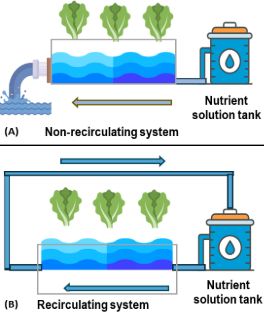
Figure 7. Classification of hydroponics production systems. A). open-loop hydroponic system. B). close-loop hydroponic system.
A prominent example of this technique is the Nutrient Film Technique (NFT), where a thin film of nutrient solution continuously flows over plant roots (Khan, 2018).Closed-loop systems in VF technologies use hydroponics, aeroponics, and aquaponics methods to primarily recirculate and reuse nutrient solutions, optimizing water and nutrient efficiency (Kumar et al., 2021). In a recirculating prototype, such as vertically growing towers, an integrated internal irrigation system ensures continuous contact between roots and the nutrient solution. These systems employ low-energy pumps to maintain a steady circulation of the fertigation solution from the storage tank (Touliatos et al., 2016).
Studies estimate that WUE for lettuce cultivation under controlled conditions ranges from 45 to 80 grams of fresh weight per liter of water (g L⁻¹ H₂O) (Orsini et al., 2020), positioning it as a highly efficient system due to environmental control. In a comparative study of controlled vertical hydroponic floating-root and aeroponic systems for lettuce production, the reported WUE values was 28.1 and 52.9 g L⁻¹ H₂O, respectively (Carotti et al., 2023). Other findings indicate that, in greenhouse and open-field systems, average WUE values are estimated to range between 5-60 g L⁻¹ H₂O and 3-20 g L⁻¹ H₂O, respectively (Barbosa et al., 2015).
In terms of fertilizer efficiency, open systems achieve around 68%, while closed systems can reach up to 85% (Khan, 2018). In aeroponic systems, water consumption tends to be lower, because plant roots are suspended in air, and nutrients are supplied through mist or spray irrigation at constant intervals, preventing root desiccation or anoxia (Fasciolo et al., 2023). However, the higher initial investment cost associated with aeroponics, compared to conventional hydroponic systems, remains a limiting factor for its widespread adoption (Van Gerrewey et al., 2022).
Technological advancements have facilitated the use of treated water from rainwater harvesting systems and minimally contaminated wastewater, primarily aimed at conserving freshwater resources (Erekath et al., 2024). Nonetheless, the disposal of hydroponic nutrient solutions has raised environmental concerns, particularly regarding water pollution from excess nutrients, such as nitrogen and phosphorus, which can lead to eutrophication (Gargaro et al., 2024; Renganathan et al., 2024; Rufí-Salís et al., 2020). However, recycling nutrients in VF systems has been shown to significantly reduce nutrient footprints by approximately 37% for nitrogen (N) and 36% phosphorus (P), primarily due to the reuse of nutrients in fertigation and a less frequent of solution replacement.
Recirculation practices in VF systems can reduce the risk of eutrophication by 70% to 90% compared to open-field agricultural systems (Joensuu et al., 2024; Van Gerrewey et al., 2022). Nitrogenous compounds, such as nitrous oxide (N₂O), nitrates (NO₃⁻), and ammonia (NH₃), are managed and quantified more efficiently in VF due to the implementation of precise monitoring and control mechanisms. In contrast, conventional agriculture often lacks such rigorous systems, resulting in less efficient nutrient management (Liu et al., 2022).
Ensuring water quality is essential for the sustainability of VF systems. Several strategies have been proposed to mitigate eutrophication risks, including the integration of microalgae species such as Chlorella vulgaris into recirculating nutrient solutions to treat residual compounds (Ergun et al., 2020; Ljumović et al., 2024). These microalgae not only enhance oxygen availability but also act as biostimulants at appropriate concentrations, promoting plant growth and reducing the concentration of chemical nutrients such as N and P, two of the primary contributors to environmental degradation (Cowan et al., 2022). Although such strategies have been shown to improve water and nutrient use efficiency, some studies have reported growth inhibition in specific crops, such as arugula (Eruca sativa), when exposed to high concentrations or prolonged exposure to microalgae (Huo et al., 2020).
The application of microorganisms to hydroponic systems is a well-established and extensively studied area. Genera such as Pseudomonas, Bacillus, Enterobacter, and Streptomyces have been identified for their effectiveness in pathogen control, particularly in continuous circulation systems (Lee & Lee, 2015). In addition to their biocontrol properties, these microorganisms have been shown to reduce abiotic stress in plants and enhance plant immunity (Dhawi, 2023). Specifically, Pseudomonas psychrotolerans has been reported to promote lettuce growth in vertical NFT and floating root systems under greenhouse conditions (Mei et al., 2023), while Bacillus amyloliquefaciens has demonstrated positive effects as a biofertilizer (Plocek et al., 2024).
3.3 Energy efficiency: innovative approaches for saving energy
The complexity of VF systems poses challenges for direct comparisons across studies. Al-Qubati et al. (2024) argue that urban food production can help reduce greenhouse gas (GHG) emissions by minimizing transportation requirements; however, Beacham et al. (2019) note that transportation accounts for only about 11% of agriculture’s total GHG emissions. Moreover, VF facilities can substantially contribute to emissions due to their high energy demands, low electrical efficiency, and, in some cases, limited integration of renewable energy sources. As highlighted by Parkes et al. (2023), further research is needed to develop strategies that effectively reduce the overall carbon footprint of VF systems.
The primary challenge to achieving sustainability in VF is its high energy demand (de Carbonnel et al., 2022), despite ongoing advancements in the energy efficiency of components such as LED lamps. Artificial lighting alone accounts for approximately 65% to 80% of total energy demand (Avgoustaki & Xydis, 2021; Blom et al., 2022). Energy consumption also varies by system prototype, for example, in a Nutrient Film Technique (NFT) system used for lettuce cultivation in a controlled environment with LED supplementation, energy consumption reached 30.15 kWh per lettuce plant over five weeks, compared to 36.5 kWh in a floating root system. Specifically, for water circulation, the NFT system required 9.22 kWh, whereas the floating root system consumed 4.15 kWh (Gillani et al., 2022).
In vertical greenhouse horticulture, artificial lighting can supplement daily photon requirements to enhance photosynthetic activity. These systems generally exhibit higher energy efficiency compared to controlled indoor environments, primarily due to the reliance of natural light (Vatistas et al., 2022). Nevertheless, reported energy consumption associated with supple-mented lighting varies significantly across studies and system prototypes. For instance, one study reported an energy use of 0.02 kWh per kilogram for leafy vegetable production in stacked horizontal systems (Song et al., 2022), while another documented 3.72 kWh per kilogram for basil biomass production in a greenhouse in towers (Pereira & Gomes, 2025).
Despite the high energy demand, efficient lighting in controlled environments can substantially enhance biomass production, increase dry matter accumulation, and shorten crop growth cycles, particularly in crops such as lettuce (Jin et al., 2023). As a result, operational VF companies have optimized artificial lighting through precise spectral adjustments. Furthermore, studies have identified optimal light durations for various crop types, thereby minimizing unnecessary energy use by eliminating redundant lighting periods (Delorme & Santini, 2022).
Fluorescent lights systems have largely been replaced by light-emitting diode (LED) lamps to improve production efficiency and reduce both environmental impact and carbon footprint (Sena et al., 2024). In addition, LED light has been shown to improve flavor, enhance nutritional quality, and extend the shelf life of commercial horticultural products. Recent research increasingly focuses on determining the specific photon requirements for various crops and evaluating the effects of far-red wavelengths (FR, 700–750 nm) on plant morphology and metabolism (Carotti et al., 2024). Furthermore, studies are investigating the role of blue light wavelengths in increasing phytonutrient content, as well as the inhibitory effects of green light on plant growth (Wong et al., 2020). Modern LED lamps are highly dynamic, allowing for the adjustment of photon spectra and intensities based on specific requirement of each crop.
A current strategy to reduce electricity consumption in controlled environments involves adjusting the photoperiod according to crop-specific requirements (Kaiser et al., 2024). Experimental studies have demonstrated that strategically selecting dark periods and intermittent lighting regimes can reduce artificial lighting costs by 14% to 26% per month throughout the year, without negatively affecting basil plant development, quality, or yield (Avgoustaki et al., 2021; Blom et al., 2024). These findings are consistent with other research suggesting that scheduling energy use during off-peak electricity hours can result in cost savings of 5% to 30% (Arabzadeh et al., 2023). However, some studies have reported no significant differences in plant performance between continuous and intermittent LED lighting strategies (Olvera-González et al., 2021).
In basil cultivation, the conventional 16-hour light and 8-hour dark photoperiod was modified to a 14-hour light period, supplemented by a redistribution of dark hours and brief 10-minute intervals of intermittent light during dark phase. This approach was positively associated with enhanced tolerance to abiotic stress (Filatov et al., 2022). Although the method did not significantly affect the crop’s overall physiological response, exposure to intermittent light patterns resulted in a 47% increase in biomass production and reduced electricity consumption compared to continuous photoperiod lighting, positioning it as a more cost-effective strategy (Avgoustaki & Xydis, 2021).
Studies suggest that VF can improve efficiency and sustainability through the integration of renewable energy sources, such as photovoltaic cells (Cossu et al., 2023; Jamil et al., 2024; Zhu & Marcelis, 2023). Despite significant advance-ments in LED lighting technology, energy consumption remains a major concern, particularly when electricity is derived from non-renewable sources (Martin et al., 2023; Skarżyński & Wiśniewski, 2024). A study conducted in the United Kingdom concluded that, depending on the energy source, the environmental impact of VF can be comparable to, or even lower than, that of a conventional agriculture (Gargaro et al., 2024). However, some researchers content that VF may never match the energy efficiency of greenhouse production, which primarily relies on natural sunlight (Stanghellini & Katzin, 2024).
Green hydrogen has emerged as a promising alternative energy source for VF (Despommier, 2024). As a clean energy option, it emits only water vapor and produces no harmful pollutants. Additionally, the water electrolysis process used to generate green hydrogen yields green oxygen as a byproduct. Recent research suggests that this oxygen, often considered a waste, can be repurposed within the VF system by incorporating it into the nutrient solution. Increasing the saturation of pure oxygen, rather than relying solely on ambient air, has been shown to enhance root efficiency and reduce the risk of fungal infections (Osman et al., 2024), which area a serious problem in closed water production systems.
3.4 Economic viability: investing in the future of urban agriculture
The costs associated with VF technologies vary depending on the specific system implemented, making accurate costs estimation complex. Nevertheless, high operational costs remain a significant challenge in controlled environments. A decade ago, studies underscored the limited research on the economic and productive feasibility of VF systems (Al-Chalabi, 2015). Although substantial progress has been made sense then, especially in terms of sustainability and energy efficiency through advancement in lighting technologies, several challenges persist.
In addition to technological considerations, costs are also influenced by factors such as crop selection, which is a key aspect shaped by market demand and consumer preferences (Jürkenbeck et al., 2019). The pricing of vegetables grown in vertical farms, especially those cultivated in controlled environments, remains a largely underexplored and unregulated area. A noticeable discrepancy persists between the pricing of vertically farmed foods and their competitiveness compared to conventionally produced alternatives (Gurung et al., 2024).
In this context, crops that require minimal maintenance, offer high added values, and demonstrate greater nutrient and WUE are considered the most suitable for VF systems (Rajan et al., 2019). Leafy greens and herbs are among the most profitable options, although the economic viability of crops such as tomatoes, bell peppers, and strawberries has also been reported (Lubna et al., 2022). Additionally, a growing market has emerged around the commer-cialization of microgreens, which are valued for their high concentrations of phytonutrients, antioxidants, and carotenoids (Ciuta et al., 2021; Rajan et al., 2019). However, while techniques such as hydroponics can significantly increase yields, they are also associated with higher energy consumption, which results in elevated costs (Barbosa et al., 2015).
The main disadvantage of establishing and operating VF facilities under controlled conditions is the high electricity cost, which accounts for approximately 91% of the total carbon footprint (Arcasi et al., 2024; Sandison et al., 2023). On the other hand, reduced pesticide use contributes to lower agronomic management costs compared to conventional open-field agriculture, which remains vulnerable to climate variability and potential yield losses (Mir et al., 2022). In contrast, controlled environment and greenhouse production system enable continuous, year-round cultivation.
3.5 Agricultural productivity: maximizing growth and quality
The objective of VF technologies extends beyond food production. Adding value within the agricultural industry has become increasingly important and serves as a key market differentiator. Recent research focuses on optimizing environmental factors such as light, temperature, and nutrient availability to enhance metabolic profiles of crops. This approach aims to maximize the concentration of bioactive compounds, including antioxidants, vitamins, and minerals, which offer significant health benefits (Sharathkumar et al., 2020). The related concept is associated with functional foods, where healthy lifestyles, health promotion and disease prevention are important as well as the nutritional value of the food.
Research on VF has demonstrated increased vegetable production per unit area and a shorter crop cycle compared to conventional cultivation methods (Touliatos et al., 2016). For instance, lettuce production density in vertical systems is reported to be 1.5 times higher than in a horizontal system (Wicharuck et al., 2023). Additionally, VF enhances photosynthetic efficiency and results in higher concentrations of soluble solids, protein, and crude fiber, thereby improving the nutritional quality of the produce (Akinmeji et al., 2022; Majid et al., 2021). These outcomes are achieved through the strategic use of total or supplemental LED lighting, with adjustments to light quality, spectrum, and intensity tailored to the specific of each crop (Nájera et al., 2022).
Ensuring food safety in VF systems requires the use of clean, inert and safe substrates with suitable physical and chemical properties to minimize the risk of pathogen contamination. Moreover, VF systems typically require fewer chemical inputs for pest and disease control. Recent research has focused on development of biodegradable substrates, including studies on the application of chitosan (Jia et al., 2024). Hydrogels, another promising class of biomaterials, have shown potential for distributing nutrients in response to specific concentration gradients (Erekath et al., 2024).
Modern electronic technologies have enabled the development of smart systems based on the Internet of Things (IoT) to automate VF in both greenhouses and controlled environments (Modu et al., 2020; Ng et al., 2023; G. Rao et al., 2020). These systems contribute to optimizing water and electricity usage, enable early disease detection, and thereby enhance both operational efficiency and overall sustainability (Rathor et al., 2024). The devices regulate irrigation based on optimal threshold values, activating only when necessary (Shomefun et al., 2018) and can integrate artificial intelligence according to the specific needs of the plant and production system (Siregar et al., 2022).
Recent advancements in design technologies have also facilitated the integration of advanced tools, such as computational fluid dynamics (CFD), to evaluate the performance of prototypes and controlled environments within VF systems and greenhouses (Kang et al., 2024; Naranjani et al., 2022). Wu et al. (2025) suggest that integrating fluid mechanics into system design can optimize performance and enhance plant production. CFD simulations allow scenario modeling to analyze fluid dynamics across different production levels and detect ventilation inefficiencies. Moreover, they offer detailed insights into environmental conditions, water and nutrient consumption patterns, and their impact on plant development and yield (Agati et al., 2024). These accurate, data-driven models enhance predictive capacity and support strategic decision-making regarding system optimization and productivity.
3.6 Food Security: building solutions for today and tomorrow
Rapid population growth, urban expansion, carbon footprint concerns, and the limited availability of arable land presents global challenges to ensuring food access for both current and future generations (Fróna et al., 2019; Kabir et al., 2023; Oh & Lu, 2023). VF has the potential to strengthen urban and peri-urban agriculture (Yuan et al., 2022), which plays a crucial role in social well-being and enhancing food security (Eigenbrod & Gruda, 2015; Rao et al., 2022; Specht et al., 2016). Nevertheless, the long-term sustainability of VF remains a subject of ongoing debate (Bao et al., 2024; Lee et al., 2024). Integrating VF into urban planning is currently being explored as a strategy to regenerate urban spaces and promote greener, more resilient cities (Tablada et al., 2020; Toku et al., 2024).
The primary contribution of VF is its ability to maximize food production in limited spaces, making it a key factor in ensuring food security in a world where arable land is increasingly scarce and populations are concentrating in large urban centers (Kalantari et al., 2018; Zhu & Marcelis, 2023). Moreover, according to Dziumla et al. (2025), the social dimension remains the least studied and is rarely integrated with environmental or economic dimensions, with social acceptance being the most frequently analyzed indicator.
This model fosters the development of innovative production technologies within controlled or protected environments, thereby mitigating the effects of climate change and reducing the incidence of pests and diseases, consequently lowering the need for chemical interventions (Velazquez-Gonzalez et al., 2022). Among the most notable advantages of VF are its high resource use efficiency and the reduced dependence on agrochemicals, both of which represent significant steps toward more sustainable agriculture and a safer food supply (Benke & Tomkins, 2017).
Food security is important for society, but consumers are going further. As citizens become more aware of complex food with nutritional value (Swiader et al., 2023), to produce functional food is not only possible but an opportunity for the VF industry. To prevent disease and the feeling of well-being that comes from a healthy diet are targets to an increasing part of the population. Nowadays leafy vegetables and microgreens are the most commercially successful crops, but technically vertical farming allows the cultivation of many other functional foods, from medicinal plants and micronutrient fortification in food crops that have high value, including herbs, fruiting crops, root vegetables, grains, cereal and tuber crops (Oh & Lu, 2022).
4. Current and future challenges
The analysis indicates that numerous studies recognize VF as a strategic approach to enhancing food security, particularly in peri-urban and urban areas (Gunapala et al., 2025; Gurung et al., 2024; Oh & Lu, 2023). As these technologies continue to evolve, careful assessment of their technical complexity and operational reliability is essential to ensure long-term sustainability and to promote equitable access across diverse agricultural contexts and countries (Bunge et al., 2022; Dziumla et al., 2025). Evidence suggests that VF represents a paradigmatic shift in modern horticultural production; however, a systematic integration of parameters to effectively address the increasing demand for high-yield, sustainable systems that meet consumer expectations for food safety, nutritional and functional quality, and environmental sustainability remains lacking (Benke & Tomkins, 2017; Pinstrup-Andersen, 2018; Sharathkumar et al., 2020) (Figure 9).
These technologies exhibit considerable potential as sustainable and efficient food production methods, particularly when their added value is taken into account (Al-Kodmany, 2018; Barbosa et al., 2015; Carotti et al., 2023). Nevertheless, significant challenges remain, with energy consumption and high initial infrastructure investment representing two of the most critical constraints (Avgoustaki & Xydis, 2021; Delorme & Santini, 2022; Stanghellini & Katzin, 2024). Further research is required to improve the global feasibility and accessibility of VF, particularly regarding operational costs, scalability, and context-specific adaptation. A comprehensive assessment of VF sustainability should integrate a wide range of factors, including environmental impact, urban land-use pressures, social equity, technological complexity, crop diversification potential, and economic viability (Dziumla et al., 2025; Rao et al., 2022; Bunge et al., 2022). As identified in previous studies, research on the social dimensions of VF remains limited, primarily focusing on consumer acceptance, with scant evidence on the actual impacts of VF beyond its potential to produce high-quality food and generate employment (Bunge et al., 2022; Dziumla et al., 2025; Rao et al., 2022). Comprehensive evaluations of VF’s social implications are largely absent, which is critical for a holistic understanding of its sustainability. In contrast, most studies focus on environmental aspects, which is understandable given the high carbon footprint associated with the energy demands of these technologies (Avgoustaki & Xydis, 2021; Delorme & Santini, 2022; Stanghellini & Katzin, 2024). Energy consumption is a key challenge, particularly in hydroponic and aeroponic systems, and largely determines the environmental sustainability of VF (Barbosa et al., 2015; Al-Kodmany, 2018; Carotti et al., 2023).
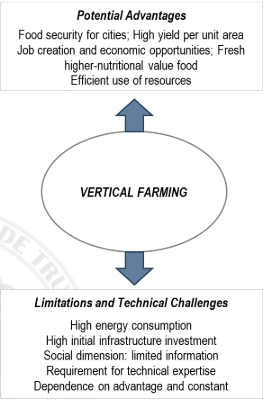
Figure 9. Key advantages and limitations of vertical farming in the pursuit of sustainability.
The development and adoption of renewable energy systems in VF, together with water-saving smart technologies, are essential for broader implementation (Arabzadeh et al., 2023; Bao et al., 2024; Gargaro et al., 2024). The use of closed systems significantly enhances water use efficiency by enabling precise control over irrigation and nutrient delivery, thereby reducing water consumption and optimizing resource management (Rufí-Salís et al., 2020; Carotti et al., 2023; Majid et al., 2021). Additionally, the integration of biological approaches, such as bioinputs, advanced nutrient management, and water recycling, supports the development of resilient and resource-efficient agricultural systems (Dhawi, 2023; Mei et al., 2023; Ljumović et al., 2024).
Despite advances in energy efficiency, the economic viability of VF remains constrained by high operational costs, particularly in energy-intensive systems, with costs varying according to the level of technology employed and across countries (Arcasi et al., 2024; Avgoustaki et al., 2021; Gillani et al., 2022). While leafy greens have shown potential profitability in VF systems, broader adoption depends on consumer acceptance, a social dimension that requires further investigation (Jürkenbeck et al., 2019; Benke & Tomkins, 2017). A relevant issue that has not been adequately addressed in the literature is the price differential between conventionally grown products and those produced through VF systems. The lack of analysis in this regard represents a limitation of current studies and simultaneously highlights a potential avenue for future research.
Nonetheless, VF presents key advantages over conventional agriculture, including opportunities to reduced pesticide use and year-round production, thereby supporting more resilient and sustainable food systems while contributing to food security and the provision of safe, high-quality products (Touliatos et al., 2016; Al-Chalabi, 2015; Fróna et al., 2019).
5. Conclusions
The analysis of 114 studies demonstrates the increasing attention devoted to vertical farming as a potential strategy for advancing sustainable food production. Nevertheless, the literature remains largely concentrated on environmental perfor-mance, particularly resource-use efficiency, with energy consumption and efficiency consistently identified as critical determinants of system feasibility and environmental sustainability. This predominant focus underscores the need for integrative assessment frameworks that systematically incorporate economic and social dimensions, enabling a more holistic evaluation of sustainability outcomes across diverse technological configurations and spatial contexts. Notably, the social dimension is comparatively underexplored, with existing studies primarily addressing consumer perceptions and product acceptance. Future research would benefit from interdisciplinary approaches that explicitly examine social indicators such as labor conditions, community engagement, equity, and social well-being, thereby strengthening sustainability assessments and informing the responsible development and governance of vertical farming systems.
References
Agati, G., Franchetti, B., Rispoli, F., & Venturini, P. (2024). Thermo-fluid dynamic analysis of the air flow inside an indoor vertical farming system. Applied Thermal Engineering, 236, Article 121553. https://doi.org/10.1016/j.applthermaleng.2023.121553
Akinmeji, A., Misra, S., Agrawal, A., Adewumi, A., Maskeliunas, R., & Damasevicius, R. (2021). A Cost-Effective Design for a Hydroponics Farm. Advances in intelligent systems and computing. 821–833. https://doi.org/10.1007/978-981-16-5207-3_67
Al-Chalabi, M. (2015). Vertical farming: Skyscraper sustainability? Sustainable Cities and Society, 18, 74–77. https://doi.org/10.1016/j.scs.2015.06.003
Al-Kodmany, K. (2018). The vertical Farm: A Review of Developments and Implications for the Vertical City. Buildings, 8(2). https://doi.org/10.3390/buildings8020024
Al-Qubati, A., Zhang, L., & Forkel, M. (2024). Urban and peri-urban agriculture under climate change: A review on carbon emissions and sequestration. Sustainable Cities and Society, 115. https://doi.org/10.1016/j.scs.2024.105830
Arabzadeh, V., Miettinen, P., Kotilainen, T., Herranen, P., Karakoc, A., Kummu, M., & Rautkari, L. (2023). Urban vertical farming with large wind power share and optimised electricity costs. Applied Energy, 331. https://doi.org/10.1016/j.apenergy.2022.120416
Arcasi, A., Mauro, A. W., Napoli, G., Tariello, F., & Vanoli, G. P. (2024). Energy and cost analysis for crop production in a vertical farm. Applied Thermal Engineering, 239, Article 122129. https://doi.org/10.1016/j.applthermaleng.2023.122129
Avgoustaki, D. D., Bartzanas, T., & Xydis, G. (2021). Minimising the energy footprint of indoor food production while maintaining a high growth rate: Introducing disruptive cultivation protocols. Food Control, 130, Article 108290. https://doi.org/10.1016/j.foodcont.2021.108290
Avgoustaki, D. D., & Xydis, G. (2021). Energy cost reduction by shifting electricity demand in indoor vertical farms with artificial lighting. Biosystems Engineering, 211, 219–229. https://doi.org/10.1016/j.biosystemseng.2021.09.006
Bao, Y., Leung, M. K., Poon, D., & Xiang, C. (2024). Integrating vertical farm into low-carbon high-rise building in high-density context: A design case study in Hong Kong. Journal of Building Engineering, 96. https://doi.org/10.1016/j.jobe.2024.110472
Barbosa, G. L., Almeida Gadelha, F. D., Kublik, N., Proctor, A., Reichelm, L., Weissinger, E., Wohlleb, G. M., & Halden, R. U. (2015). Comparison of and Land, Water, and Energy Requirements of Lettuce Grown Using Hydroponic vs. Conventional Agricultural Methods. International Journal of Environmental Research and Public Health, 12(6), 6879–6891. https://doi.org/10.3390/ijerph120606879
Beacham, A. M., Vickers, L. H., & Monaghan, J. M. (2019). Vertical farming: a summary of approaches to growing skywards. Journal of Horticultural Science and Biotechnology, 94(3), 277–283. https://doi.org/10.1080/14620316.2019.1574214
Benke, K., & Tomkins, B. (2017). Future food-production systems: vertical farming and controlled-environment agriculture. Sustainability: Science, Practice and Policy, 13(1), 13–26. https://doi.org/10.1080/15487733.2017.1394054
Blom, T., Jenkins, A., Pulselli, R. M., & van den Dobbelsteen, A. (2022). The embodied carbon emissions of lettuce production in vertical farming, greenhouse horticulture, and open-field farming in the Netherlands. Journal of Cleaner Production, 377. https://doi.org/10.1016/j.jclepro.2022.134443
Blom, T., Jenkins, A., & van den Dobbelsteen, A. (2024). Synergetic urbanism: a theoretical exploration of a vertical farm as local heat source and flexible electricity user. Sustainable Cities and Society, 103, Article 105267. https://doi.org/10.1016/j.scs.2024.105267
Bunge, A. C., Wood, A., Halloran, A., & Gordon, L. J. (2022). A systematic scoping review of the sustainability of vertical farming, plant-based alternatives, food delivery services and blockchain in food systems. Nature Food, 3(11), 933–941. https://doi.org/10.1038/s43016-022-00622-8
Butturini, M., & Marcelis, L. F. M. (2019). Vertical farming in Europe: Present status and outlook. Elsevier eBooks, 77–91. https://doi.org/10.1016/B978-0-12-816691-8.00004-2
Carotti, L., Pistillo, A., Zauli, I., Meneghello, D., Martin, M., Pennisi, G., Gianquinto, G., & Orsini, F. (2023). Improving water use efficiency in vertical farming: Effects of growing systems, far-red radiation and planting density on lettuce cultivation. Agricultural Water Management, 285. https://doi.org/10.1016/j.agwat.2023.108365
Carotti, L., Pistillo, A., Zauli, I., Pennisi, G., Martin, M., Gianquinto, G., & Orsini, F. (2024). Far-red radiation management for lettuce growth: Physiological and morphological features leading to energy optimization in vertical farming. Scientia Horticulturae, 334, Article 113264. https://doi.org/10.1016/j.scienta.2024.113264
Ciuta, F., Arghir, L. D., Tudor, C. A., & Lagunovschi-Luchian, V. (2021). Research on microgreens farming in vertical hydroponic system. Journal of Horticulture, Forestry and Biotechnology, 24(4), 27-34.
Cossu, M., Tiloca, M. T., Cossu, A., Deligios, P. A., Pala, T., & Ledda, L. (2023). Increasing the agricultural sustainability of closed agrivoltaic systems with the integration of vertical farming: A case study on baby-leaf lettuce. Applied Energy, 344, Article 121278. https://doi.org/10.1016/j.apenergy.2023.121278
Cowan, N., White, S., Olszewska, J., Dobel, A., Sim, G., Eades, L. J., & Skiba, U. (2022). Integration of algae treatment with hydroponic crop waste to reduce impact of nutrient waste streams. Journal of Sustainable Agriculture and Environment, 1(3), 203–215. https://doi.org/10.1002/sae2.12025
de Carbonnel, M., Stormonth-Darling, J. M., Liu, W., Kuziak, D., & Jones, M. A. (2022). Realising the Environmental Potential of Vertical Farming Systems through Advances in Plant Photobiology. Biology, 11(6), 922. https://doi.org/10.3390/biology11060922
Delorme, M., & Santini, A. (2022). Energy-efficient automated vertical farms. Omega, 109. https://doi.org/10.1016/j.omega.2022.102611
Despommier, D. (2024). Vertical farming: a holistic approach towards food security. Frontiers in Science, 2. https://doi.org/10.3389/fsci.2024.1473141
Dhawi, F. (2023). The Role of Plant Growth-Promoting Microorganisms (PGPMs) and Their Feasibility in Hydroponics and Vertical Farming. Metabolites, 13(2). https://doi.org/10.3390/metabo13020247
D’Ostuni, M., Zaffi, L., Appolloni, E., & Orsini, F. (2022). Understanding the complexities of Building-Integrated Agriculture. Can food shape the future built environment? Futures, 144. https://doi.org/10.1016/j.futures.2022.103061
Drottberger, A., Zhang, Y., Yong, J. W. H., & Dubois, M. C. (2023). Urban farming with rooftop greenhouses: A systematic literature review. Renewable and Sustainable Energy Reviews, 188. Article 113884. https://doi.org/10.1016/j.rser.2023.113884
Dziumla, J., Guenther, E., Karthe, D., & Dijkstra-Silva, S. (2025). Sustainability assessment for novel approaches in the agri-food industry: The example of vertical farming. Journal of Cleaner Production, 495, Article 145036. https://doi.org/10.1016/j.jclepro.2025.145036
Eigenbrod, C., & Gruda, N. (2015). Urban vegetable for food security in cities. A review. Agronomy for Sustainable Development, 35(2), 483–498. https://doi.org/10.1007/s13593-014-0273-y
Elkington, J. (2006). Governance for Sustainability. Corporate Governance: An International Review, 14(6), 522-529. https://doi.org/10.1111/j.1467-8683.2006.00527.x
Erekath, S., Seidlitz, H., Schreiner, M., & Dreyer, C. (2024). Food for future: Exploring cutting-edge technology and practices in vertical farm. Sustainable Cities and Society, 106, 105357. https://doi.org/10.1016/j.scs.2024.105357
Ergun, O., Dasgan, H. Y., & Isik, O. (2020). Effects of microalgae Chlorella vulgaris on hydroponically grown lettuce. Acta Horticulturae, 1273, 169–175. https://doi.org/10.17660/ActaHortic.2020.1273.23
Fasciolo, B., Awouda, A., Bruno, G., & Lombardi, F. (2023). A smart aeroponic system for sustainable indoor farming. Procedia CIRP, 116, 636–641. https://doi.org/10.1016/j.procir.2023.02.107
Fernández-Cabanás, V. M., Pérez-Urrestarazu, L., Juárez, A., Kaufman, N. T., & Gross, J. A. (2020). Comparative analysis of horizontal and vertical decoupled aquaponic systems for basil production and effect of light supplementation by LED. Agronomy, 10(9). https://doi.org/10.3390/agronomy10091414
Ferreira, A. J. D., Guilherme, R., Ferreira, C. S. S., & Oliveira, M. F. L. (2018). Urban agriculture, a tool towards more resilient urban communities? Current Opinion in Environmental Science & Health, 5, 93–97. https://doi.org/10.1016/j.coesh.2018.06.004
Filatov, D. A., Vetchinnikov, A. A., Olonina, S. I., & Olonin, I. Y. (2022). Intermittent LED lighting helps reduce energy costs when growing microgreens on vertical controlled environment farms. IOP Conference Series: Earth and Environmental Science, 979(1), Article 012096. https://doi.org/10.1088/1755-1315/979/1/012096
Fróna, D., Szenderák, J., & Harangi-Rákos, M. (2019). The challenge of feeding the world. Sustainability, 11(20), Article 5816. https://doi.org/10.3390/su11205816
Gargaro, M., Hastings, A., Murphy, R. J., & Harris, Z. M. (2024). A cradle-to-customer life cycle assessment case study of UK vertical farming. Journal of Cleaner Production, 470, Article 143324. https://doi.org/10.1016/j.jclepro.2024.143324
Gillani, S. A., Abbasi, R., Martinez, P., & Ahmad, R. (2022). Comparison of Energy-use Efficiency for Lettuce Plantation under Nutrient Film Technique and Deep-Water Culture Hydroponic Systems. Procedia Computer Science, 217, 11–19. https://doi.org/10.1016/j.procs.2022.12.197
Gunapala, R., Gangahagedara, R., Wanasinghe, W. C. S., Samaraweera, A. U., Gamage, A., Rathnayaka, C., Hameed, Z., Abdel Baki, Z., Madhujith, T., & Merah, O. (2025). Urban agriculture: A strategic pathway to building resilience and ensuring sustainable food security in cities. Farming System, 3(3), Article 100150. https://doi.org/10.1016/j.farsys.2025.100150
Gurung, L., Rawal, J. S., Puspa Rc, Joshi, G. R, & Mandal, A. (2024). Vertical Farming in Urban Agriculture: Opportunities, Challenges, and Future Directions. Big Data in Agriculture, 6(2), 89–95. https://doi.org/10.26480/bda.02.2024.89.95
Huo, S., Liu, J., Addy, M., Chen, P., Necas, D., Cheng, P., Li, K., Chai, H., Liu, Y., & Ruan, R. (2020). The influence of microalgae on vegetable production and nutrient removal in greenhouse hydroponics. Journal of Cleaner Production, 243, Article 118563. https://doi.org/10.1016/j.jclepro.2019.118563
Jamil, U., Hickey, T., & Pearce, J. M. (2024). Solar energy modelling and proposed crops for different types of agrivoltaics systems. Energy, 304. https://doi.org/10.1016/j.energy.2024.132074
Jin, W., Formiga Lopez, D., Heuvelink, E., & Marcelis, L. F. M. (2023). Light use efficiency of lettuce cultivation in vertical farms compared with greenhouse and field. Food and Energy Security, 12(1), 1–10. https://doi.org/10.1002/fes3.391
Joensuu, K., Kotilainen, T., Räsänen, K., Rantanen, M., Usva, K., & Silvenius, F. (2024). Assessment of climate change impact and resource-use efficiency of lettuce production in vertical farming and greenhouse production in Finland: a case study. International Journal of Life Cycle Assessment. https://doi.org/10.1007/s11367-024-02343-5
Jürkenbeck, K., Heumann, A., & Spiller, A. (2019). Sustainability matters: Consumer acceptance of different vertical farming systems. Sustainability, 11(15), Article 4052. https://doi.org/10.3390/su11154052
Kabir, M. S. N., Reza, M. N., Chowdhury, M., Ali, M., Samsuzzaman, Ali, M. R., Lee, K. Y., & Chung, S. O. (2023). Technological Trends and Engineering Issues on Vertical Farms: A Review. Horticulturae, 9(11), Article 1229. https://doi.org/10.3390/horticulturae9111229
Kaiser, E., Kusuma, P., Vialet-Chabrand, S., Folta, K. M., Liu, Y., Poorter, H., Woning, N., Shrestha, S., Ciarreta, A., VanBrenk, J., Karpe, M., Ji, Y., David, S., Zepeda, C., Zhu, X., Huntenburg, K., Verdonk, J. C., Woltering, E., Gauthier, P. P., … Marcelis, L. F. (2024). Vertical farming goes dynamic: optimizing resource use efficiency, product quality, and energy costs. Frontiers in Plant Sciences, 2. https://doi.org/10.3389/fsci.2024.1411259
Kalantari, F., Tahir, O. M., Joni, R. A., & Fatemi, E. (2018). Opportunities and challenges in sustainability of vertical farming: A review. Journal of Landscape Ecology, 11(1), 35–60. https://doi.org/10.1515/jlecol-2017-0016
Kang, L., Zhang, Y., Kacira, M., & van Hooff, T. (2024). CFD simulation of air distributions in a small multi-layer vertical farm: Impact of computational and physical parameters. Biosystems Engineering, 243, 148–174. https://doi.org/10.1016/j.biosystemseng.2024.05.004
Khan, F. A. (2018). A review on hydroponic greenhouse cultivation for sustainable agriculture. International Journal of Agriculture Environment and Food Sciences, 2(2), 59–66. https://doi.org/10.31015/jaefs.18010
Kobayashi, Y., Kotilainen, T., Carmona-García, G., Leip, A., & Tuomisto, H. L. (2022). Vertical farming: A trade-off between land area need for crops and for renewable energy production. Journal of Cleaner Production, 379, Article 134507. https://doi.org/10.1016/j.jclepro.2022.134507
Kouloumprouka, A., Monaghan, J. M., Bromley, J. R., & Vickers, L. H. (2024). Opportunities and challenges for strawberry cultivation in urban food production systems. Plants People Planet, 6(3), 611-621. https://doi.org/10.1002/ppp3.10475
Kumar, S., Singh, M., Yadav, K. K., & Singh, P. K. (2021). Opportunities and constraints in hydroponic crop production systems: A review. Environment Conservation Journal, 22(3), 401–408. https://doi.org/10.36953/ecj.2021.22346
Lee, J., Lim, E., Byun, N., & Shon, D. (2024). Eco-Friendly Technology Derivation and Planning for Rooftop Greenhouse Smart Farm. Buildings, 14(2). https://doi.org/10.3390/buildings14020398
Lee, S., & Lee, J. (2015). Beneficial bacteria and fungi in hydroponic systems: Types and characteristics of hydroponic food production methods. Scientia Horticulturae, 195, 206–215. https://doi.org/10.1016/j.scienta.2015.09.011
Liu, J., Oita, A., Hayashi, K., & Matsubae, K. (2022). Sustainability of Vertical Farming in Comparison with Conventional Farming: A Case Study in Miyagi Prefecture, Japan, on Nitrogen and Phosphorus Footprint. Sustainability, 14(2). https://doi.org/10.3390/su14021042
Ljumović, K., Betterle, N., Baietta, A., & Ballottari, M. (2024). Valorization of wastewater from industrial hydroponic cultivations using the microalgal species Chlorella vulgaris. Algal Research, 81. https://doi.org/10.1016/j.algal.2024.103570
Lubna, F. A., Lewus, D. C., Shelford, T. J., & Both, A. J. (2022). What You May Not Realize about Vertical Farming. Horticulturae, 8(4), 1–9. https://doi.org/10.3390/horticulturae8040322
Majid, M., Khan, J. N., Ahmad Shah, Q. M., Masoodi, K. Z., Afroza, B., & Parvaze, S. (2021). Evaluation of hydroponic systems for the cultivation of Lettuce (Lactuca sativa L., var. Longifolia) and comparison with protected soil-based cultivation. Agricultural Water Management, 245. https://doi.org/10.1016/j.agwat.2020.106572
Martin, M., Elnour, M., & Siñol, A. C. (2023). Environmental life cycle assessment of a large-scale commercial vertical farm. Sustainable Production and Consumption, 40, 182–193. https://doi.org/10.1016/j.spc.2023.06.020
Mei, C., Zhou, D., Chretien, R. L., Turner, A., Hou, G., Evans, M. R., & Lowman, S. (2023). A Potential Application of Pseudomonas psychrotolerans IALR632 for Lettuce Growth Promotion in Hydroponics. Microorganisms, 11(2), 376. https://doi.org/10.3390/microorganisms11020376
Mir, M. S., Naikoo, N. B., Kanth, R., & Bhat, M. A. (2022). Vertical farming: The future of agriculture: A review. The Pharma Innovation Journal, 11(2), 1175-1195.
Modu, F., Adam, A., Aliyu, F., Mabu, A., & Musa, M. (2020). A survey of smart hydroponic systems. Advances in Science Technology and Engineering Systems, 5(1), 233–248. https://doi.org/10.25046/aj050130
Nájera, C., Gallegos-Cedillo, V. M., Ros, M., & Pascual, J. A. (2022). LED Lighting in Vertical Farming Systems Enhances Bioactive Compounds and Productivity of Vegetables Crops. Biology and Life Sciences Forum, 16(24). https://doi.org/10.3390/iecho2022-12514
Naqvi, S. M. Z. A., Saleem, S. R., Tahir, M. N., Hussain, S., Ul Haq, S. I., Awais, M., & Qamar, S. (2022). Vertical Farming—Current Practices and Its Future. Environmental Sciences Proceedings, 23(4). https://doi.org/10.3390/environsciproc2022023004
Naranjani, B., Najafianashrafi, Z., Pascual, C., Agulto, I., & Chuang, P. A. (2022). Computational analysis of the environment in an indoor vertical farming system. International Journal of Heat and Mass Transfer, 186, Article 122460. https://doi.org/10.1016/j.ijheatmasstransfer.2021.122460
Nogueira, E., Gomes, S., & Lopes, J. M. (2023). Triple Bottom Line, Sustainability, and Economic Development: What Binds Them Together? A Bibliometric Approach. Sustainability, 15(8), 6706. https://doi.org/10.3390/su15086706
Ng, H. T., Tham, Z. K., Rahim, N. A. A., Rohim, A. W., Looi, W. W., & Ahmad, N. S. (2023). IoT-enabled system for monitoring and controlling vertical farming operations. International Journal of Reconfigurable and Embedded Systems, 12(3), 453–461. https://doi.org/10.11591/ijres.v12.i3.pp453-461
Oh, S., & Lu, C. (2023). Vertical farming - smart urban agriculture for enhancing resilience and sustainability in food security. Journal of Horticultural Science and Biotechnology, 98(2), 133–140. https://doi.org/10.1080/14620316.2022.2141666
Olvera-Gonzalez, E., Escalante-Garcia, N., Myers, D., Ampim, P., Obeng, E., Alaniz-Lumbreras, D., & Castaño, V. (2021). Pulsed led-lighting as an alternative energy savings technique for vertical farms and plant factories. Energies, 14(6). https://doi.org/10.3390/en14061603
Orsini, F., Pennisi, G., Zulfiqar, F., & Gianquinto, G. (2020). Sustainable use of resources in plant factories with artificial lighting (PFALs). European Journal of Horticultural Science, 85(5), 297–309. https://doi.org/10.17660/eJHS.2020/85.5.1
Page, M. J., Moher, D., Bossuyt, P. M., Boutron, I., Hoffmann, T. C., Mulrow, C. D., Shamseer, L., Tetzlaff, J. M., Akl, E. A., Brennan, S. E., Chou, R., Glanville, J., Grimshaw, J. M., Hróbjartsson, A., Lalu, M. M., Li, T., Loder, E. W., Mayo-Wilson, E., McDonald, S., … McKenzie, J. E. (2021). PRISMA 2020 explanation and elaboration: updated guidance and exemplars for reporting systematic reviews. BMJ, n160. https://doi.org/10.1136/bmj.n160
Parkes, M. G., Azevedo, D. L., Cavallo, A. C., Domingos, T., & Teixeira, R. F. M. (2023). Life cycle assessment of microgreen production: effects of indoor vertical farm management on yield and environmental performance. Scientific Reports, 13(1). https://doi.org/10.1038/s41598-023-38325-0
Pereira, J., & Gomes, M. G. (2025). Lighting strategies in vertical urban farming for enhancement of plant productivity and energy consumption. Applied Energy, 377. https://doi.org/10.1016/j.apenergy.2024.124669
Pinstrup-Andersen, P. (2018). Is it time to take vertical indoor farming seriously? Global Food Security, 17, 233–235. https://doi.org/10.1016/j.gfs.2017.09.002
Plocek, G., Rueda Kunz, D., & Simpson, C. (2024). Impacts of Bacillus amyloliquefaciens and Trichoderma spp. on Pac Choi (Brassica rapa var. chinensis) grown in different hydroponic systems. Frontiers in Plant Science, 15. https://doi.org/10.3389/fpls.2024.1438038
Putri, R. E., Oktavionry, P. A., Arlius, F., Putri, I., & Hasan, A. (2023). Use of Tower System in Vertical Farming Technique. IOP Conference Series: Earth and Environmental Science, 1182(1). https://doi.org/10.1088/1755-1315/1182/1/012005
Rajan, P., Lada, R. R., & MacDonald, M. T. (2019). Advancement in Indoor Vertical Farming for Microgreen Production. American Journal of Plant Sciences, 10(08), 1397–1408. https://doi.org/10.4236/ajps.2019.108100
Rao, G., Kumar, A., Singh, R. N., & Singh, T. P. (2020). Water Level Monitoring System with Vertical Farming using IoT. International Journal of Innovative Technology and Exploring Engineering, 9(7), 550–553. https://doi.org/10.35940/ijitee.g5475.059720
Rao, N., Patil, S., Singh, C., Roy, P., Pryor, C., Poonacha, P., & Genes, M. (2022). Cultivating sustainable and healthy cities: A systematic literature review of the outcomes of urban and peri-urban agriculture. Sustainable Cities and Society, 85. https://doi.org/10.1016/j.scs.2022.104063
Rathor, A. S., Choudhury, S., Sharma, A., Nautiyal, P., & Shah, G. (2024). Empowering vertical farming through IoT and AI-Driven technologies: A comprehensive review. Heliyon, 10(15), Article e34998. https://doi.org/10.1016/j.heliyon.2024.e34998
Regmi, A., Rueda-Kunz, D., Liu, H., Trevino, J., Kathi, S., & Simpson, C. (2024). Comparing resource use efficiencies in hydroponic and aeroponic production systems. Technology in Horticulture, 4, Article number: e005.
Reidsma, P., Accatino, F., Appel, F., Gavrilescu, C., Krupin, V., Manevska Tasevska, G., Meuwissen, M. P. M., Peneva, M., Severini, S., Soriano, B., Urquhart, J., Zawalińska, K., Zinnanti, C., & Paas, W. (2023). Alternative systems and strategies to improve future sustainability and resilience of farming systems across Europe: from adaptation to transformation. Land Use Policy, 134. https://doi.org/10.1016/j.landusepol.2023.106881
Renganathan, P., Puente, E. O. R., Sukhanova, N. V., and Gaysina, L. A. (2024). Hydroponics with Microalgae and Cyanobacteria: Emerging Trends and Opportunities in Modern Agriculture. BioTech, 13(3), 27. https://doi.org/10.3390/biotech13030027
Royston, R. M., & Pavithra, M. P (2018). Vertical farming: a concept. International Journal of Engineering and Techniques, 4(3), 500-506.
Rufí-Salís, M., Petit-Boix, A., Villalba, G., Sanjuan-Delmás, D., Parada, F., Ercilla-Montserrat, M., Arcas-Pilz, V., Muñoz-Liesa, J., Rieradevall, J., & Gabarrell, X. (2020). Recirculating water and nutrients in urban agriculture: An opportunity towards environmental sustainability and water use efficiency? Journal of Cleaner Production, 261, 121213. https://doi.org/10.1016/j.jclepro.2020.121213
Sandison, F., Yeluripati, J., & Stewart, D. (2023). Does green vertical farming offer a sustainable alternative to conventional methods of production?: A case study from Scotland. Food and Energy Security, 12(2), 1–14. https://doi.org/10.1002/fes3.438
Sena, S., Kumari, S., Kumar, V., & Husen, A. (2024). Light emitting diode (LED) lights for the improvement of plant performance and production: A comprehensive review. Current Research in Biotechnology, 7, Article 100184. https://doi.org/10.1016/j.crbiot.2024.100184
Shao, Y., Zhou, Z., Chen, H., Zhang, F., Cui, Y., & Zhou, Z. (2022). The potential of urban family vertical farming: A pilot study of Shanghai. Sustainable Production and Consumption, 34, 586–599. https://doi.org/10.1016/j.spc.2022.10.011
Sharathkumar, M., Heuvelink, E., & Marcelis, L. F. (2020). Vertical Farming: Moving from Genetic to Environmental Modification. Trends in Plant Science, 25(8), 724-727 https://doi.org/10.1016/j.tplants.2020.05.012
Shomefun, T. E., Awosope, C. O. A., & Ebenezer, O. D. (2018). Microcontroller-based vertical farming automation system. International Journal of Electrical and Computer Engineering, 8(4), 2046–2053. https://doi.org/10.11591/ijece.v8i4.pp2046-2053
Singh, D., Basu, C., Meinhardt-Wollweber, M., & Roth, B. (2015). LEDs for energy efficient greenhouse lighting. Renewable and Sustainable Energy Reviews, 49, 139–147. https://doi.org/10.1016/j.rser.2015.04.117
Sipos, L., Balázs, L., Székely, G., Jung, A., Sárosi, S., Radácsi, P., & Csambalik, L. (2021). Optimization of basil (Ocimum basilicum L.) production in LED light environments – a review. Scientia Horticulturae, 289, Article 110486. https://doi.org/10.1016/j.scienta.2021.110486
Siregar, R. R. A., Seminar, K. B., Wahjuni, S., & Santosa, E. (2022). Vertical Farming Perspectives in Support of Precision Agriculture Using Artificial Intelligence: A Review. Computers, 11(9),135. https://doi.org/10.3390/computers11090135
Skarżyński, K., & Wiśniewski, A. (2024). The reflections on energy costs and efficacy problems of modern LED lamps. Energy Reports, 12, 4926–4937. https://doi.org/10.1016/j.egyr.2024.10.038
Song, S., Hou, Y., Lim, R. B., Gaw, L. Y. F., Richards, D. R., & Tan, H. T. (2022). Comparison of vegetable production, resource-use efficiency and environmental performance of high-technology and conventional farming systems for urban agriculture in the tropical city of Singapore. The Science of the Total Environment, 807, 150621. https://doi.org/10.1016/j.scitotenv.2021.150621
Sorooshian, S. (2024). The sustainable development goals of the United Nations: A comparative midterm research review. Journal of Cleaner Production, 453, 142272. https://doi.org/10.1016/j.jclepro.2024.142272
Sousa, R. de, Bragança, L., da Silva, M. V., & Oliveira, R. S. (2024). Challenges and Solutions for Sustainable Food Systems: The Potential of Home Hydroponics. Sustainability, 16(2), 817. https://doi.org/10.3390/su16020817
Specht, K., Siebert, R., & Thomaier, S. (2016). Perception and acceptance of agricultural production in and on urban buildings (ZFarming): a qualitative study from Berlin, Germany. Agriculture and Human Values, 33(4), 753–769. https://doi.org/10.1007/s10460-015-9658-z
Stanghellini, C., & Katzin, D. (2024). The dark side of lighting: A critical analysis of vertical farms’ environmental impact. Journal of Cleaner Production, 458, Article 142359. https://doi.org/10.1016/j.jclepro.2024.142359
Świąder, K., Čermak, D., Gajewska, D., Najman, K., Piotrowska, A., & Kostyra, E. (2023). Opportunities and constraints for creating edible cities and accessing wholesome functional foods in a sustainable way. Sustainability, 15(10), Article 8406. https://doi.org/10.3390/su15108406
Tablada, A., Kosorić, V., Huang, H., Lau, S. S., & Shabunko, V. (2020). Architectural quality of the productive façades integrating photovoltaic and vertical farming systems: Survey among experts in Singapore. Frontiers of Architectural Research, 9(2), 301–318. https://doi.org/10.1016/j.foar.2019.12.005
Toku, A., Twumasi Amoah, S., & Nyabanyi N-yanbini, N. (2024). Exploring the potentials of urban crop farming and the question of environmental sustainability. City and Environment Interactions, 24, Article 100167. https://doi.org/10.1016/j.cacint.2024.100167
Touliatos, D., Dodd, I. C., & Mcainsh, M. (2016). Vertical farming increases lettuce yield per unit area compared to conventional horizontal hydroponics. Food and Energy Security, 5(3), 184–191. https://doi.org/10.1002/fes3.83
United Nations. (1987). Report of the World Commission on Environment and Development. https://sustainabledevelopment.un.org/content/documents/5987our-common-future.pdf
Van Eck, N. J., & Waltman, L. (2023). VOSviewer (versión 1.6.20) [Software]. Centre for Science and Technology Studies, Leiden University. https://www.vosviewer.com/
Van Gerrewey, T., Boon, N., & Geelen, D. (2022). Vertical farming: The only way is up? Agronomy, 12(1), 2. https://doi.org/10.3390/agronomy12010002
Vatistas, C., Avgoustaki, D. D., & Bartzanas, T. (2022). A Systematic Literature Review on Controlled-Environment Agriculture: How Vertical Farms and Greenhouses Can Influence the Sustainability and Footprint of Urban Microclimate with Local Food Production. Atmosphere, 13(8). https://doi.org/10.3390/atmos13081258
Velazquez-Gonzalez, R. S., Garcia-Garcia, A. L., Ventura-Zapata, E., Barceinas-Sanchez, J. D. O., & Sosa-Savedra, J. C. (2022). A Review on Hydroponics and the Technologies Associated for Medium-and Small-Scale Operations. Agriculture, 12(5). https://doi.org/10.3390/agriculture12050646
Wicharuck, S., Khongdee, N., Pripanakul, T., Whangchai, N., Pimpimol, T., & Chaichana, C. (2023). Vertical farming: A potential farming practice for lettuce production. Chilean Journal of Agricultural Research, 83(3), 248–259. https://doi.org/10.4067/S0718-58392023000300248
Wong, C. E., Teo, Z. W. N., Shen, L., & Yu, H. (2020). Seeing the lights for leafy greens in indoor vertical farming. Trends in Food Science and Technology, 106, 48–63. https://doi.org/10.1016/j.tifs.2020.09.031
Wood, J., Wong, C., & Paturi, S. (2020). Vertical Farming: An Assessment of Singapore City. ETropic, 19(2), 228–248. https://doi.org/10.25120/ETROPIC.19.2.2020.3745
Wu, J., Cheng, Y. W., Lin, G., & Xu, D. (2025). Toward sustainable agriculture: The design of environmentally friendly, economical, and modular vertical farming systems. Engineering, 55, 229-240. https://doi.org/10.1016/j.eng.2025.07.043
Yuan, G. N., Marquez, G. P. B., Deng, H., Iu, A., Fabella, M., Salonga, R. B., Ashardiono, F., & Cartagena, J. A. (2022). A review on urban agriculture: technology, socio-economy, and policy. Heliyon, 8(11). https://doi.org/10.1016/j.heliyon.2022.e11583
Zhu, X., and Marcelis, L. (2023). Vertical farming for crop production. Modern Agriculture, 1(1), 13–15. https://doi.org/10.1002/moda.4